

Anemia in women affects every third one and few people suspect it

Fatigue after a demanding day at work, slight dizziness when getting up quickly from bed, a paler complexion than usual – who would worry about that? Most women attribute these signals to stress, lack of sleep, or simply the hectic pace of modern life. And that is precisely where the insidiousness of anaemia lies: its first symptoms are so subtle and commonplace that almost no one takes them seriously. Yet anaemia is one of the most widespread health problems in the world, and women are exposed to it significantly more than men.
According to data from the World Health Organization, approximately 30% of women of reproductive age worldwide suffer from anaemia. In the Czech Republic, the situation is not as dramatic as in developing countries, yet anaemia in women remains an underdiagnosed and underestimated problem. The reason is simple: its manifestations blend in with the everyday complaints we have grown accustomed to.
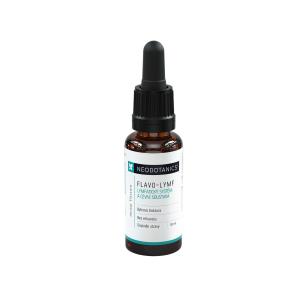
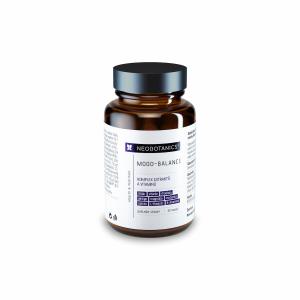
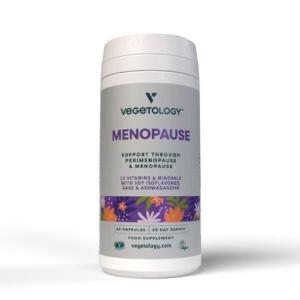
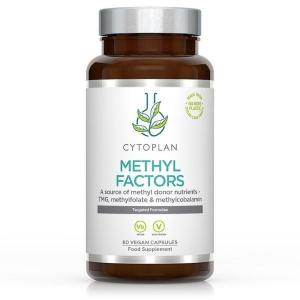
Try our natural products
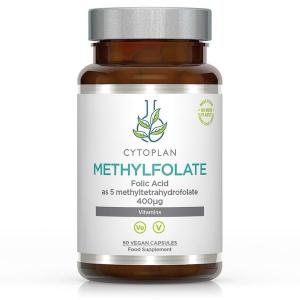
What actually happens in the body during anaemia
Anaemia is not a disease in itself, but rather a condition in which the body does not have enough healthy red blood cells capable of efficiently transporting oxygen to tissues and organs. The most common cause – particularly in women – is iron deficiency, which leads to so-called iron-deficiency anaemia. Iron is a key component of haemoglobin, the protein in red blood cells that binds and transports oxygen. When there is too little of it, the entire body begins to suffer at the cellular level.
Why are women more susceptible? The reasons are biological and quite logical. Menstruation draws a certain amount of iron from the body each month, and if dietary intake of this mineral is insufficient to cover the losses, reserves gradually become depleted. Pregnancy and breastfeeding increase iron requirements even further. Add to this modern dietary trends – veganism, vegetarianism, or various restrictive diets – and we have a recipe for how anaemia can quietly develop even in a woman who otherwise feels relatively healthy.
Besides iron deficiency, anaemia can also be caused by a lack of vitamin B12 or folic acid, chronic illness, nutrient absorption disorders, or excessive bleeding from causes other than menstruation. It is therefore always important to identify the true underlying cause, rather than simply reaching for over-the-counter supplements without prior consultation with a doctor.
The body is remarkably adaptable. It can compensate for mild deficiency quietly and for a long time, meaning a woman may live for years with lower haemoglobin levels without realising what is happening. Only when reserves drop below a certain threshold do symptoms begin to accumulate – and even then, they are often mistaken for other problems.
Symptoms of anaemia that women most commonly overlook
The most noticeable symptom of anaemia is fatigue – but not the ordinary fatigue after a demanding day. This is exhaustion that does not disappear even after sufficient sleep, which pervades the entire day and turns everyday activities into disproportionate effort. A woman may feel as though she is dragging a heavy weight, even when simply climbing stairs or walking a longer distance. This kind of fatigue is so insidious that one gets used to it and begins to regard it as a normal part of life.
Closely related to this is shortness of breath during ordinary physical activity. The heart and lungs must work harder to compensate for the inadequate transport of oxygen, resulting in breathlessness during activities that previously posed no problem. If you start to feel breathless walking briskly uphill or climbing to the second floor, and you are neither ill nor experiencing an allergy, it is worth paying attention.
Another symptom that is easily overlooked is pallor of the skin, mucous membranes, and the inner surface of the eyelids. The mucous membrane beneath the lower eyelid should be a deep pink colour – if it is pale or almost white, this may be a warning sign. The gums or nail beds may appear similarly pale. However, pallor is not equally apparent in every woman; it depends on natural skin tone, so this symptom alone is not sufficient to draw a conclusion.
A less obvious but surprisingly common symptom is restless leg syndrome – an unpleasant tingling, pulling sensation, or urge to move the legs, particularly at night. Research shows that iron deficiency plays a key role in this syndrome, though its precise mechanism is still being investigated by neurologists. Many women suffer from restless legs for years without realising that anaemia may be the cause.
Among the less conspicuous symptoms are also brittle nails and hair loss. Hair follicles are highly sensitive to iron deficiency, and excessive hair loss can therefore be one of the first visible signals that something is wrong. Many women in this situation reach for hair and nail supplements, but without addressing the underlying cause – iron deficiency – this is merely a cosmetic plaster.
Headaches and difficulty concentrating are also common. The brain has exceptionally high demands for an adequate oxygen supply, and when it does not receive enough, it responds with headaches, mental fog, or a feeling of being unable to concentrate even on simple tasks. Many women attribute this "brain fog" to stress or overload, without considering a physiological cause.
As the writer and physician Oliver Sacks said: "The body speaks its own language – we must learn to listen to it." And this is doubly true of anaemia. The body sends signals; one simply needs to read them correctly.
There are also symptoms that are even more elusive. Pica – a craving for indigestible or unusual substances such as ice, clay, starch, or chalk – may seem like a strange whim, but it is in fact a well-documented symptom of iron-deficiency anaemia. Similarly, a burning or reddened tongue, cracked corners of the mouth, or difficulty swallowing can be manifestations of more advanced iron deficiency. These symptoms are specific enough that doctors can identify them with reasonable reliability.
Illustrative is the story of Lenka, a thirty-three-year-old teacher from Brno, who had been complaining about her fatigue for nearly two years. Her doctor initially recommended more rest and reducing stress. Only when she presented with hair loss and tingling in her legs was a blood test carried out, which revealed significantly low ferritin levels – the storage protein for iron. Her haemoglobin was still at the lower end of the normal range. Yet ferritin is precisely the first indicator to decline, and it is not routinely tested. Lenka's story is not an exception – it is closer to the rule.
How to detect anaemia and what to do about it
The diagnosis of anaemia is based on blood tests. A basic blood count will show haemoglobin levels and red blood cell counts, but for a more accurate picture it is important to also test ferritin, serum iron, and transferrin. As Lenka's case illustrates, ferritin can be reduced even when haemoglobin is still within the normal range – it is an early warning signal that is easily missed in a standard examination.
If the results confirm iron-deficiency anaemia, treatment typically involves iron supplements and possibly dietary adjustments. Iron from animal sources (so-called haem iron from red meat, poultry, and fish) is absorbed significantly better than iron from plant sources. Absorption is enhanced by vitamin C – a glass of orange juice or fresh bell pepper alongside an iron-rich meal can substantially increase its utilisation. Conversely, coffee, tea, and dairy products inhibit iron absorption and should therefore be consumed separately.
For women who follow a plant-based diet, planning iron intake is particularly important. Among the richest plant-based sources are lentils, beans, tofu, quinoa, pumpkin seeds, and fortified cereals. A useful overview of the nutritional content of foods is provided, for example, by the nutritional value database of the Institute of Agricultural Economics and Information, where it is easy to verify which foods are genuinely rich in iron.
When choosing supplements, it is worth paying attention to the form of iron. Chelated forms, such as iron bisglycinate, are generally better tolerated and cause fewer digestive complaints than older forms such as ferrous sulphate. In any case, supplements should always be discussed with a doctor, as an excess of iron is just as harmful to the body as a deficiency.
Preventing anaemia is not complicated, but it requires conscious attention. A varied diet rich in iron, regular blood count checks – particularly during pregnancy, with heavy menstruation, or when transitioning to a plant-based diet – and a timely response to the first warning signals can prevent a mild deficiency from becoming a serious health problem. Anaemia that is left untreated or ignored over the long term can lead to strain on the heart, impaired immunity, or complications during pregnancy.
Fatigue, pallor, brittle nails, mental fog – these are all symptoms that women dismiss daily with the words "it's just stress". Perhaps. But perhaps the body is also sending a message worth listening to. A simple blood test can answer questions that have been troubling someone for months or even years – and that is surely a small price to pay for stopping the habit of ignoring one's own body.