

# How to Clean a Range Hood and Filter with Natural Products Cleaning a range hood and its filter d
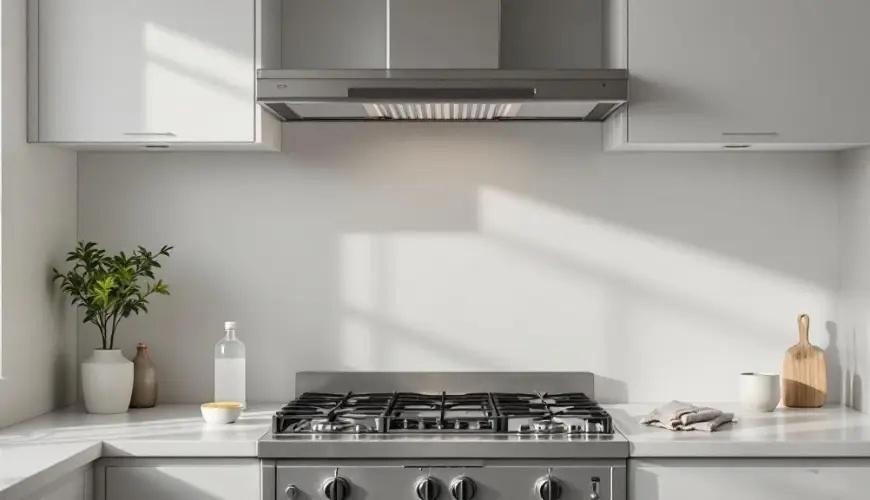
Anyone who has ever stood over a pot of bubbling goulash or fried schnitzel in hot oil knows how quickly a kitchen can turn into a misty landscape of steam and grease particles. A range hood reliably absorbs all of this – but that is precisely why it tends to become one of the most neglected appliances in the home. A greasy film on the filter, yellowed edges, an unpleasant smell. And yet it takes relatively little to keep a range hood working like new. What is particularly interesting is that the entire cleaning process can be completed without a single aggressive chemical product.
Eco-friendly home cleaning has experienced a genuine boom in recent years. People are increasingly aware that powerful industrial degreasers and sprays full of synthetic substances may quickly tackle grease, but they also leave chemical residues on the surfaces where we prepare food, and we breathe in their fumes. According to World Health Organization research, indoor air pollution in homes is an underestimated health risk – and we ourselves contribute to it through our choice of cleaning products. Switching to natural alternatives is not merely a passing trend, but a practical and healthy decision.
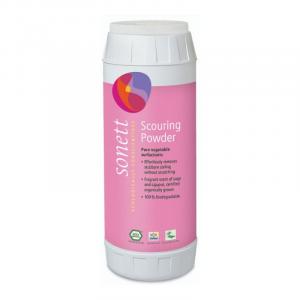
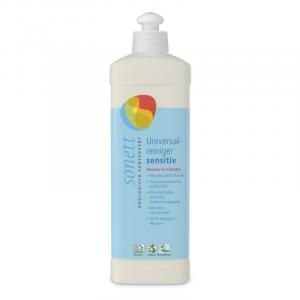
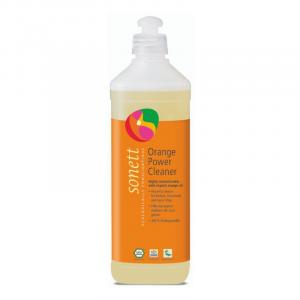
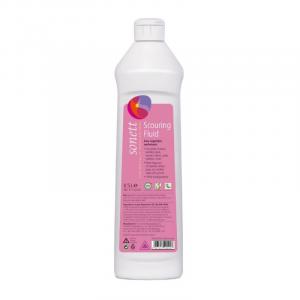
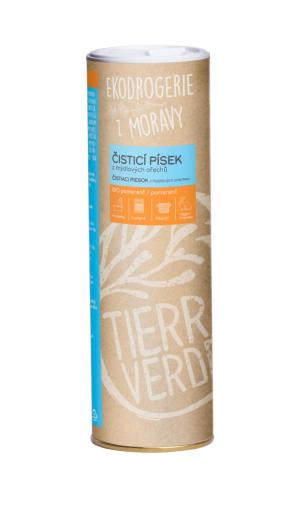
Try our natural products
Why regular range hood cleaning is so important
A range hood is not merely an aesthetic feature of a modern kitchen. Its primary purpose is to remove steam, grease particles and odours from the room, or to filter them through a charcoal filter. However, if the filter is clogged with layers of solidified grease, the range hood stops doing its job – air circulates less efficiently, the motor works under greater strain and energy consumption increases. In more serious cases, accumulated grease can even become a fire hazard. Experts recommend cleaning metal grease filters approximately once every four to six weeks, with the frequency depending on how often you cook and what you prepare.
Consider a practical example: a family that cooks every day and regularly prepares fried food will see a visible greasy layer on the filter after just two weeks. In contrast, a household that only cooks a few times a week and mainly prepares vegetable dishes can wait longer between cleanings. The key, however, is not to let things go too far – the thicker the layer of grease, the more challenging it is to remove, even without chemicals.
Another reason for regular maintenance is the lifespan of the appliance itself. A neglected range hood wears out more quickly, the motor overheats and the filters can become irreparably damaged. Investing in regular maintenance therefore literally pays off – both financially and in terms of air quality in the kitchen.
Cleaning a range hood and filter without chemicals – step by step
Before you begin, gather everything you need. You will require hot water, baking soda, white vinegar, optionally some washing-up liquid (ideally with a natural formulation), an old brush or sponge, microfibre cloths and a bowl or larger container for soaking. None of these items are expensive or hard to come by – most households already have them at home.
The first step is safety. Disconnect the range hood from the power supply or at least switch it off. Working with water near electricity is never a good idea, even with appliances that appear to be dry. Next, remove the grease filters – these are typically metal or aluminium grilles that can simply be slid out or turned and lifted free. Every model is slightly different, but the process is usually intuitive and described in the user manual.
Place the filters in a sink or a larger pot and cover them with boiling water mixed with baking soda – approximately two to three tablespoons per litre of water. Baking soda is a natural degreaser that can penetrate grease deposits and loosen them. Leave the filters to soak for at least twenty minutes, or up to an hour for heavily soiled ones. You will notice the water gradually turning brown – that is the grease leaving the filter.
After soaking, take a brush or sponge and work gently but thoroughly over the entire surface of the filter. For metal grilles, an old toothbrush can also be used to reach difficult spots. If residue still clings on, add a little white vinegar – the reaction between vinegar and baking soda produces a gentle fizzing that helps to dislodge remaining grease. Vinegar also has natural antibacterial properties and is excellent at neutralising odours.
Rinse the filters thoroughly with clean water and leave them to air dry, or dry them with a microfibre cloth. Never put them back while wet – this could lead to limescale deposits or the growth of mould.
While the filters are soaking, turn your attention to the range hood housing itself. The outer surfaces and the inside of the canopy most commonly suffer from a greasy film that builds up imperceptibly but persistently. Mix equal parts white vinegar and water in a spray bottle, add a few drops of essential oil – such as lemon or tea tree, which have natural cleaning properties – and spray onto the surfaces. Leave to act for a few minutes, then wipe with a microfibre cloth. For more stubborn stains, sprinkle a little baking soda on the surface, add a few drops of washing-up liquid or natural soap and work it in with circular motions. The results are often surprisingly good, even without expensive sprays.
Pay special attention to the lighting and the area around the motor – clean these parts only with a damp cloth and without excessive pressure. Never spray liquids directly onto electrical components.
If your range hood has a charcoal filter (used in recirculating models, where air is not vented outside but filtered and returned), the situation is slightly different. Charcoal filters generally cannot be washed – their activated charcoal would lose its absorptive properties. These filters must be replaced regularly, typically every three to six months. When choosing a replacement filter, it is worth opting for variants certified for low harmful emissions.
Natural helpers you already have at home
The entire philosophy of cleaning without aggressive chemicals rests on three key ingredients: baking soda, white vinegar and lemon juice. People have used these substances to clean their homes for centuries, long before the industry introduced colourful spray bottles filled with fragrances and preservatives.
Baking soda (sodium bicarbonate) acts as a gentle abrasive and a degreaser at the same time. White vinegar, thanks to its acetic acid content, dissolves mineral deposits, limescale and greasy films. Lemon juice adds a fresh scent and supports whitening. The combination of these three ingredients covers the vast majority of cleaning needs in the kitchen.
As British writer and environmental activist George Monbiot once noted: "The most sustainable thing you can do is stop buying things you don't need." This applies to cleaning products too – fewer products, simpler formulations, a cleaner conscience.
In practice, many households prepare their own cleaning mixtures in reusable bottles and keep them under the sink. The transition is neither dramatic nor financially demanding – on the contrary, the savings compared to purchased products are noticeable. A kilogram of baking soda costs only a few dozen crowns and lasts for months of regular cleaning.
Do not forget preventive measures that will save you cleaning effort. Cooking with a lid significantly reduces the amount of grease vapour that reaches the range hood. Switching the range hood on before you start cooking and leaving it running for a few minutes after you finish helps to carry away remaining vapours before they settle. These are small things, but their impact on kitchen cleanliness is surprisingly significant.
A clean range hood is not merely a matter of tidiness or aesthetics. It is a question of health – yours and your whole family's. The air you breathe in the kitchen is directly affected by how well the range hood functions. And if you clean it using natural products, you are not introducing any unnecessary chemical substances into the space where you prepare food. It is a circle that closes logically and naturally: healthy cooking, healthy cleaning, healthy air.
Caring for your range hood is therefore not simply a cleaning task – it is part of a broader approach to the home, one where it matters what things are made of, how they are treated and how long they last. And that is an approach well worth developing.