

Long COVID occurs significantly more often in women
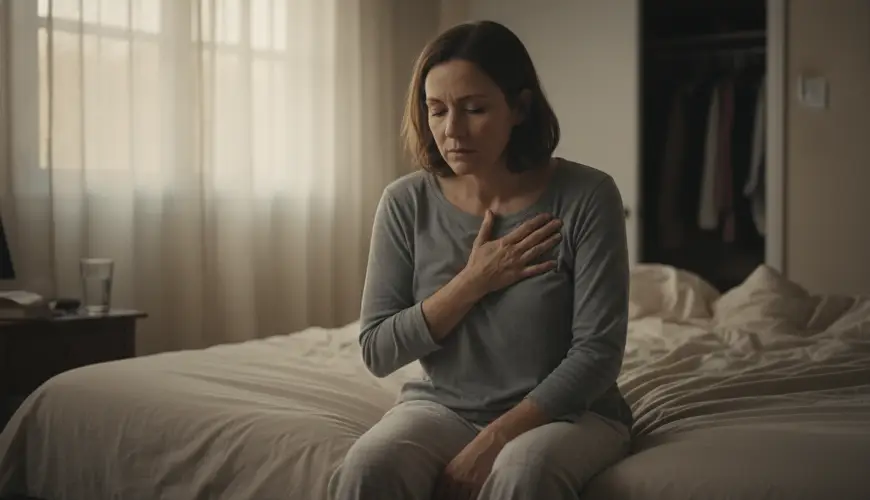
While the acute phase of COVID-19 is generally more severe in men, there is one area where the statistics tell a completely different story. Long COVID affects women significantly more often than men – and this fact still awaits a definitive scientific explanation. For millions of women around the world, however, this is not an abstract question. It is a daily reality full of fatigue, brain fog, pain, and uncertainty about whether they will ever return to normal life.
Imagine a thirty-year-old teacher who went through COVID seemingly without major problems – she stayed home for two weeks, then returned to work. Yet three months later, she still cannot walk the length of a school corridor without having to stop and catch her breath. She forgets the names of students she has been teaching for years. She falls asleep in the middle of the afternoon, even though she slept eight hours the night before. Doctors find nothing specific. Yet she knows something is wrong. Stories like this repeat themselves around the world, and statistics show that significantly more women than men are behind them.
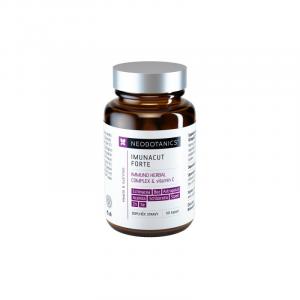
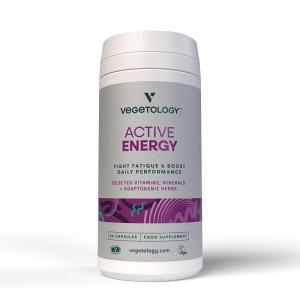
Try our natural products

What is long COVID and how does it manifest?
The World Health Organization defines long COVID as a condition in which symptoms persist for more than twelve weeks after acute infection and cannot be explained by another illness. The spectrum of symptoms is extraordinarily wide – from chronic fatigue and shortness of breath to so-called brain fog, joint pain, sleep disorders, heart palpitations, and loss of taste and smell that sometimes persists for months or years. This very diversity of symptoms long complicated the scientific understanding of this phenomenon and led to many patients – especially women – being dismissed with the suggestion that they were "making it up" or that it was anxiety.
Data from the UK Office for National Statistics repeatedly show that approximately 60% of people suffering from long COVID are women. Similar results come from studies in the USA, Germany, and Scandinavia. This is therefore not an exception or a statistical coincidence – it is a consistent pattern that scientists observe across different cultures, age groups, and socioeconomic strata.
Interestingly, the most affected group is not older women with comorbidities, as one might perhaps expect. Research repeatedly shows that long COVID most commonly affects women between the ages of 35 and 55 – that is, in their productive years, associated with careers, parenthood, and a high degree of responsibility. This group has historically been underestimated within the medical system, as Caroline Criado Perez points out in her book Invisible Women, which documents how medical research systematically neglects the female body.
Biological and hormonal factors play a key role
Why, then, are women more susceptible to developing long COVID? The answer probably does not lie in a single factor, but in a complex interplay of biological, immunological, and social causes. The female immune system differs fundamentally from the male – women generally have a stronger immune response, which protects them from many infections, but also makes them more vulnerable to autoimmune diseases. And it is precisely autoimmune processes that appear to be one of the key mechanisms of long COVID.
Scientists at the Karolinska Institute in Stockholm published research suggesting that in some patients with long COVID, autoantibodies are produced – that is, antibodies that attack the body's own tissues. Women are generally more susceptible to autoimmune reactions: approximately 80% of all autoimmune diseases affect women, with sex hormones, particularly estrogen, playing a key role. Estrogen can amplify the immune response and contribute to the persistent inflammatory response that is characteristic of long COVID.
Another factor is the microbiome and hormonal cycles. The gut microbiome, which plays a crucial role in regulating immunity, differs between women and men – and research shows that it is significantly disrupted in patients with long COVID. The menstrual cycle also causes long COVID symptoms in many women to fluctuate depending on the phase of the cycle, suggesting a direct link between sex hormones and the course of the disease. Many women also report a worsening of symptoms during perimenopause or after childbirth – that is, during periods of significant hormonal changes.
The role of reactivation of latent viruses cannot be overlooked either. A research team from Harvard found that in some patients with long COVID, the Epstein-Barr virus is reactivated – the virus that causes infectious mononucleosis and remains in the body in latent form after the illness is overcome. Women generally show stronger immunological memory of this virus, which may contribute to more intense reactivation and persistent symptoms.
To the biological factors, social factors are added, which tend to be overlooked in expert discussions. Women bore a significantly higher caregiving burden during the pandemic – they cared for children when schools closed, looked after sick relatives, managed the household, and at the same time worked from home or on the front lines. Nurses, caregivers, teachers, shop assistants – professions with a high proportion of women were in contact with the virus repeatedly and for longer periods.
Chronic stress and exhaustion have a demonstrable effect on the immune system. Cortisol, the stress hormone, disrupts immune regulation when chronically elevated and can contribute to persistent inflammation. It is therefore possible that in women who entered the infection with an already weakened and overburdened immune system, the foundation for developing long COVID was laid even before the infection itself.
There is, however, another dimension that is not spoken about loudly enough: women are historically taken less seriously in the medical system. Research repeatedly shows that women wait longer on average for a diagnosis of chronic conditions, are more often referred to psychiatry rather than internal medicine, and their pain is systematically underestimated. In the context of long COVID, this means that many women not only suffer, but also struggle to be believed. This secondary burden – the need to prove that you are ill – itself deepens stress and slows recovery.
Researcher Maya Dusenbery addressed this topic in detail in her book Doing Harm, where she describes how medicine has for centuries labeled women's symptoms as psychosomatic or hysteria. Long COVID in this sense reveals a structural problem that the pandemic merely made visible.
The path to recovery: what actually helps?
Although there is no universal treatment for long COVID, research has advanced significantly in recent years. Experts today emphasize that the key is an individualized approach that takes into account the overall health status, hormonal situation, and life context of each patient. One of the most important recommendations is so-called pacing – the conscious management of energy so as not to exceed the individual energy threshold, which leads to a significant worsening of symptoms.
Research also shows that the following may be beneficial:
- An anti-inflammatory diet rich in omega-3 fatty acids, antioxidants, and fermented foods that support the gut microbiome
- Gentle movement such as yoga or tai chi, which supports the nervous system without excessive strain
- Sleep support and regulation of the circadian rhythm, which is significantly disrupted in patients with long COVID
- Psychological support, not as a substitute for physical treatment, but as part of comprehensive care
- Hormonal assessment, especially in perimenopausal women, where hormone replacement therapy may alleviate overlapping symptoms
The environment in which a woman receives treatment is also important. Workplaces that allow flexible working hours, understanding partners and family, and access to specialist care without unnecessary delays – all of these are factors that significantly influence the course of recovery. Isolation and a feeling of being misunderstood, on the other hand, hinder recovery.
Specialized long COVID centers are gradually being established around the world, offering a multidisciplinary approach. In the Czech Republic, this area is still finding its shape, but the first specialized outpatient clinics are emerging at larger hospitals. Patients seeking support can also benefit from online communities and self-help groups, where they share experiences and information about effective approaches.
One of the most important steps that women with long COVID symptoms can take is not to be dismissed. If the first doctor finds no cause for the difficulties, it is worth seeking a specialist – a cardiologist, immunologist, neurologist, or endocrinologist – and insisting on a comprehensive examination. Long COVID is a real disease with measurable biological markers, and no patient is imagining its symptoms.
The COVID-19 pandemic will leave long-term marks on the population that we are yet to fully understand. What long COVID reveals about women's health, the functioning of the immune system, and the deep inequalities in medicine may, however, be one of the most important impulses for science and the healthcare system to begin looking at the female body with greater attention and respect. Millions of women deserve this – and many of them have been waiting far too long.