

# What Causes Dry Elbows and Heels and How to Treat Them ## What Causes Dry Skin on Elbows and Heel

Cracked skin on elbows or heels is not just an aesthetic problem that one application of cream will solve. Behind this seemingly trivial matter, there is often an important signal that the body is sending and that is worth not overlooking. Understanding the causes of dry skin in these specific areas can be the first step towards long-term change – not only in skincare, but also in the overall approach to health and nutrition.
Skin on the elbows and heels is inherently thicker than elsewhere on the body, because it endures mechanical pressure and friction every day. That is precisely why the body equips it with a thicker horny layer. The problem arises when this layer becomes insufficiently hydrated, cells begin to flake off, and the skin cracks. This condition is no coincidence – it is the result of a combination of external influences and the body's internal environment.
Try our natural products
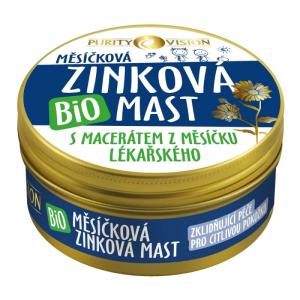
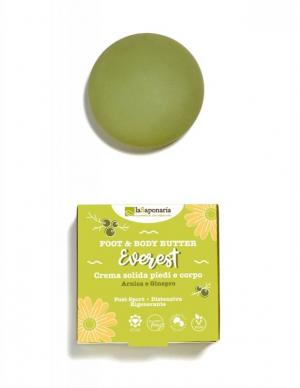
Why are elbows and heels so prone to dryness?
Elbows and heels have one thing in common compared to other parts of the body: significantly fewer sebaceous glands. Sebaceous glands are responsible for naturally moisturising the skin, and where there are fewer of them, the skin is naturally more prone to drying out. Moreover, these are areas that are constantly exposed to pressure – elbows when resting on a desk, heels with every step. The combination of mechanical stress and insufficient natural hydration creates ideal conditions for dryness, skin thickening, and the possible formation of painful cracks.
External factors also come into play, such as dry air in rooms overheated in winter, hot water when showering or bathing, inappropriate footwear, and synthetic clothing. These influences worsen the situation, but they are rarely the sole cause. If external care does not help or only helps temporarily, it is time to look inward.
The body is remarkably honest. If it is lacking something, it makes it known – and dry, cracked skin is one of the most legible signals. The question remains: what exactly lies behind it.
Vitamins whose deficiency affects the skin
One of the most common internal causes of dry skin is vitamin A deficiency. This vitamin plays a key role in the process of skin cell renewal. Without sufficient vitamin A, the skin renews itself more slowly, the horny layer accumulates, and the result is precisely that typical rough, dry texture on elbows and heels. Vitamin A is naturally found in foods such as carrots, sweet potatoes, spinach, eggs, and liver.
Equally important is vitamin E, which acts as a powerful antioxidant and protects cell membranes from damage. Its deficiency manifests as a reduced ability of the skin to retain moisture. Good sources include nuts, seeds, avocado, and quality vegetable oils.
B-group vitamins deserve special attention, particularly vitamin B3 (niacin) and vitamin B7 (biotin). Niacin contributes to maintaining a healthy skin barrier, while biotin is essential for fat metabolism – and fats are the building blocks of healthy skin. Biotin deficiency classically manifests as dry, flaky skin, brittle nails, and hair loss. Biotin can be found in eggs, salmon, avocado, and wholegrain cereals, for example.
Although vitamin D is most often discussed in connection with immunity or bones, research shows that it also plays a role in skin health. According to a study published in the journal Nutrients, there is a direct link between vitamin D deficiency and various skin conditions, including eczema and chronic dryness. During winter months, when there is little sunlight, a significant portion of the Central European population suffers from its deficiency.
Minerals and fatty acids – the unsung heroes of healthy skin
In addition to vitamins, minerals also play a crucial role. Zinc is one of the most important trace elements for skin health – it is involved in wound healing, inflammation regulation, and tissue renewal. Its deficiency manifests as dry, irritated skin that heals poorly. Zinc can be found in pumpkin seeds, legumes, wholegrain products, and meat.
Magnesium is another mineral whose deficiency can affect the skin. It helps regulate inflammation in the body and supports proper cell function. It is estimated that a large portion of the population receives less magnesium than they need – modern diets tend to be low in dark leafy vegetables, nuts, and seeds, which are its main sources.
Omega-3 fatty acids are a special chapter. They form part of cell membranes and directly influence the skin's ability to retain water. Without sufficient omega-3 intake, the skin barrier is weakened, the skin dries out, and becomes more susceptible to irritation. As the American Academy of Dermatology points out, a diet rich in healthy fats is one of the basic prerequisites for healthy skin. Omega-3 fatty acids are found primarily in fatty sea fish, flaxseed, chia seeds, and walnuts.
Hydration, hormones, and the gut: what else plays a role
It would be an oversimplification to view dry skin solely as a nutritional problem. Overall hydration of the body also plays a role. Many people drink insufficient amounts of water, and inadequate fluid intake manifests precisely in the skin – and it is the first to show it. The recommended daily water intake is around two litres, with needs varying depending on physical activity, ambient temperature, or health status.

Consider an everyday example: Jana, a forty-year-old teacher, had long complained of dry, cracked heels that she could not resolve even with regular pedicures or pharmacy ointments. Only after consulting a doctor did she discover that she had a subclinical vitamin D deficiency and low zinc levels. After adjusting her diet and supplementing the missing nutrients, the condition of her skin improved significantly within a few months. This story is not an exception – on the contrary, a similar experience is very widespread.
Hormones are another factor that must not be overlooked. The thyroid gland and its hormones directly influence skin renewal and its ability to retain moisture. In hypothyroidism – that is, insufficient thyroid function – one of the typical symptoms is precisely dry, rough skin across the entire body, with elbows and heels being the most severely affected. If dry skin persists despite all care, a visit to a doctor and examination of thyroid function is certainly warranted.
An interesting and increasingly discussed area is also gut health and its influence on the skin. The gut microbiome influences nutrient absorption, inflammation regulation, and immune response – all of which are reflected in the condition of the skin. Research in the field of the gut-skin axis shows that an imbalanced gut microbiome can contribute to various skin problems, including chronic dryness. Fermented foods, fibre, and probiotics can be a useful support in this regard.
As Hippocrates said: "Let food be thy medicine and medicine be thy food." This thought, over two thousand years old, is finding ever stronger support in modern dermatology.
What to do when dry elbows and heels don't improve?
The first step is always looking at one's diet. Does the person eat enough vegetables, fruit, healthy fats, and protein? Do they drink enough water? If the answer is no, adjusting the diet is the most natural starting point. Add fatty fish or flaxseed as a source of omega-3 fatty acids, include more foods rich in vitamins A and E, and remember zinc and magnesium.
If the diet looks good but the problem persists, the cause may be poor nutrient absorption – and that is a situation where it is appropriate to consult a doctor and have blood tests done. Vitamin and mineral deficiencies do not always manifest clearly, and a blood panel can reveal a hidden deficit that a person would not otherwise discover.
Dietary supplements can be a useful support, but should not replace a varied and balanced diet. A quality supplement containing vitamin D, omega-3 fatty acids, or biotin can help, especially in situations where dietary intake has been chronically insufficient or where the body absorbs nutrients poorly. However, it is always better to choose products with transparent ingredients and verified quality.
External care naturally remains an important part of the overall approach. Regular use of moisturising creams containing urea or hyaluronic acid, gentle mechanical removal of dead cells, and protecting the skin from extreme temperatures are tried-and-tested practices. The key, however, is to understand them as a complement to internal care, not as the only solution.
Dry skin on elbows and heels is not merely a cosmetic problem, but a message from the body that is worth responding to. Listening to the body, noticing changes, and seeking causes rather than merely suppressing symptoms – this is an approach that pays off in the long run. Healthy skin, after all, begins from the inside, quite literally.