
Cycling is good for the body and mind
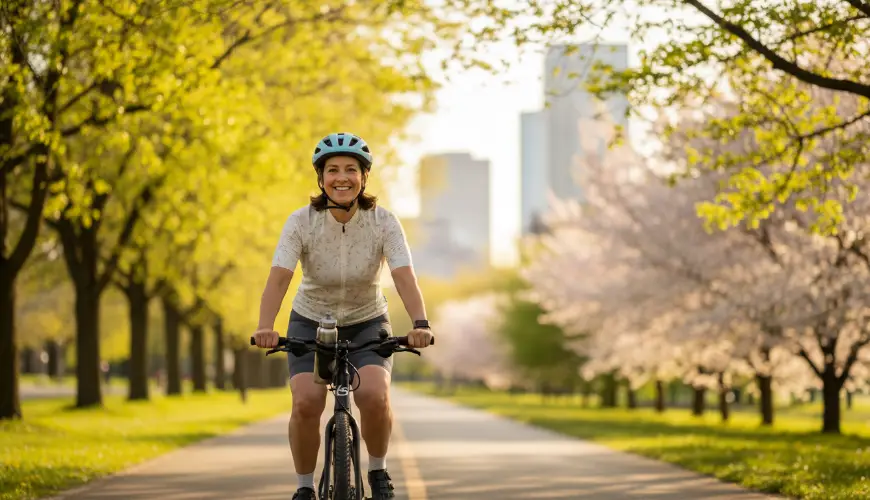
Every spring, the streets fill with people on bikes. Some have been riding for years, others have just pulled their bicycle out of the basement for the first time after a long winter and are pedalling uncertainly. And then there are those who are only just thinking about cycling – they know they'd like to try it, but don't know where to start or what to avoid. Cycling is one of the most natural physical activities a person can pursue, and yet it is surrounded by a whole range of myths, concerns and misunderstood rules. This article is a guide for everyone who wants to understand why cycling has become a global phenomenon and how to approach it sensibly.
Try our natural products

What cycling really does to body and mind
Let's start with what most people are most interested in – what cycling will bring them. The answer is surprisingly wide-ranging. At first glance it seems like any other physical activity, but on closer inspection it becomes clear that cycling combines cardiovascular training, muscle strengthening and mental relaxation in a way that few other sports can offer.
From the perspective of physical health, regular pedalling is extraordinarily effective. It strengthens the muscles of the lower limbs – particularly the quadriceps, hamstrings and calf muscles – while also engaging the core stabilisers and back. At the same time, it is a so-called low-impact activity, meaning it does not stress the joints the way running or aerobics does. This makes cycling an ideal choice for people with knee or hip problems, or those who are overweight and are looking for a way to exercise without pain. According to recommendations from the World Health Organization, adults should complete at least 150 minutes of moderate-intensity aerobic activity per week – and regular cycling meets this goal easily and naturally.
The heart and blood vessels benefit enormously from cycling. Regular aerobic exercise lowers resting heart rate, improves blood pressure and reduces the risk of cardiovascular disease. A study published in the British Medical Journal found that people who regularly commute to work by bike have a 46% lower risk of developing cardiovascular disease and a 45% lower risk of cancer compared to those who use a car or public transport. These are figures worth reflecting on.
But the health benefits of cycling do not end with physical fitness. The psychological effects are equally compelling. Exercise in fresh air, rhythmic pedalling and an ever-changing landscape before one's eyes – all of this together triggers the production of endorphins and lowers levels of cortisol, the stress hormone. Many psychiatrists and psychologists recommend regular exercise in nature as a supportive therapy for mild to moderate depression or anxiety disorders. Cycling also offers a rare combination: it is a solitary activity in which a person can be alone with their thoughts, yet it can equally be enjoyed in a group, building social bonds.
Take Markéta, a forty-three-year-old accountant from Brno, who two years ago took up cycling as a way of surviving pandemic lockdowns. At first she could barely ride ten kilometres before needing a rest. After six months of regular riding, she completed her first century – one hundred kilometres in a single day. "I didn't expect it to absorb me so completely," she says. "I started for the exercise, but I stayed for the feeling of freedom." Her story is not exceptional. Thousands of people discover cycling every year and find it gives them more than they expected.
How to start cycling without making unnecessary mistakes
The biggest mistake beginners make is starting too ambitiously. Enthusiasm is a wonderful thing, but the body needs time to adapt. Anyone who plans a fifty-kilometre trip on their very first weekend risks aching muscles, chafing and a rapid loss of interest. A sensible start means short, regular rides – ideally twenty to thirty minutes three times a week – with a gradual increase in both distance and intensity.
Just as important as the length of the route is choosing the right bike. The market offers an enormous variety of types – mountain bikes, road bikes, trekking bikes, gravel bikes, e-bikes – and the choice can be bewildering for a beginner. As a general rule, for recreational riding on cycle paths and gentle terrain, the best choice is a trekking bike, which combines a comfortable frame geometry, suspension and the ability to handle various surfaces. For those who plan to ride exclusively on tarmac or want to train more intensively, a road or gravel bike will be more suitable. A mountain bike makes sense when the goal is genuine off-road challenges and singletrack trails.
Bike setup is a chapter in itself, and one of the most underestimated. Incorrectly adjusted saddle height is the cause of a large number of injuries and pains that beginners mistakenly attribute to cycling itself. The correct saddle height means that when the pedal is at its lowest point, the leg is almost fully extended, with a slight bend at the knee. A saddle that is too low overloads the knees; one that is too high causes pain in the hips and lumbar spine. Visiting a specialist bike shop and having the bike properly set up is an investment that pays back many times over.
What to watch out for to keep cycling safe and enjoyable
Safety is a topic that cannot be skipped. A helmet is not merely a legal requirement for children under 18 – it is basic protection for everyone, regardless of age or experience. The brain has no backup copy, and even the most experienced cyclist cannot anticipate every situation on the road. Modern helmets are lightweight, well-ventilated and, not least, well-designed – so there is no reason not to wear one.
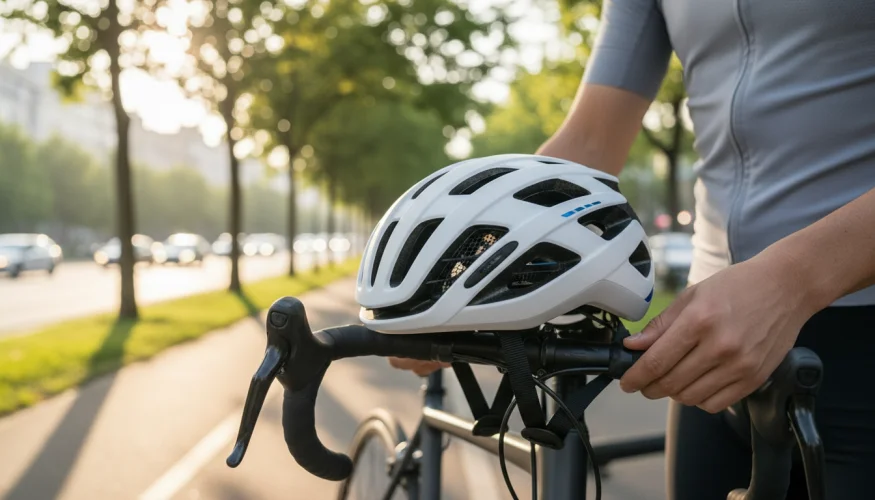
But equipment does not end with the helmet. Lights are compulsory when riding in reduced visibility, but experienced cyclists recommend using them during the day as well – a flashing red rear light in particular greatly increases visibility to car drivers. Reflective elements on clothing or the bike provide additional protection. For longer trips, a basic tool kit is also essential – a portable pump, puncture repair kit and multi-tool – because a puncture on a remote road without equipment is an experience nobody wants to repeat.
It is also important to think about hydration and nutrition. At moderate riding intensity, the body burns approximately 400 to 600 calories per hour and loses fluids through sweat. You should drink regularly, not only when thirst strikes – by that point, dehydration has already begun. For trips longer than an hour, it is worth packing light, carbohydrate-rich snacks – fruit, an energy bar or wholegrain bread all work well.
Riding in traffic is a major topic in its own right. Road traffic rules apply to cyclists just as they do to car drivers, yet many cyclists break them – jumping red lights, failing to use cycle paths or, conversely, unnecessarily leaving them. The key to safe riding is predictability: signalling direction clearly, not weaving between lanes unpredictably and maintaining a safe distance from parked cars, where there is a risk of doors being flung open. So-called "dooring" – a collision with a suddenly opened car door – is one of the most common causes of cycling injuries in cities.
Clothing plays a greater role than one might think. For shorter outings, comfortable sportswear is sufficient, but anyone planning to ride regularly and over longer distances will appreciate cycling shorts with a padded insert. This significantly reduces friction and pressure on the sitting area, which is absolutely crucial during rides of several hours. For environmentally conscious cyclists, there is now a wide range of sustainable alternatives – cycling clothing made from recycled materials or natural fibres that are kind to both the body and the planet. Choosing clothing from certified sustainable sources is a small but meaningful step towards a more responsible lifestyle.
Cycling and a sustainable lifestyle naturally go hand in hand. A bike as a means of transport produces no emissions, requires no fuel and its manufacture has a significantly lower carbon footprint than the production of a car. Studies by the European Cyclists' Federation show that if European drivers replaced even a quarter of their short car journeys with cycling, it could save tens of millions of tonnes of CO₂ per year. Everyone who takes a bike instead of a car to work, to the shops or to a meeting contributes to this figure – and at the same time invests in their own health.
As the writer and passionate cyclist H.G. Wells once said: "Every time I see an adult on a bicycle, I no longer despair for the future of the human race." Words more than a hundred years old, yet as true as ever.
Cycling is not a sport reserved for athletes, young people or those with expensive equipment. It is an activity accessible to almost anyone, which adapts to the pace, fitness and lifestyle of the individual. All it takes is starting slowly, listening to your body, equipping yourself with the basic safety essentials and allowing yourself to discover the world from the perspective of a saddle. The view from up there tends to be surprisingly good.