

# Why Eyebrows and Eyelashes Thin With Age ## Main Causes ### 1. **Hormonal Changes** - With age,

Every person who looks in the mirror one morning and realizes their eyebrows look noticeably thinner than they did years ago experiences a similar moment of surprise. It's not an optical illusion or poor bathroom lighting – thinning eyebrows and eyelashes is a completely real biological process that affects nearly all of us sooner or later. Yet this topic is discussed surprisingly little, even though it is one of the most visible changes that aging leaves on our faces.
Eyebrows and eyelashes are not merely aesthetic accessories. Eyebrows serve an important function in protecting the eyes from sweat and dirt, aid in nonverbal communication, and significantly define the overall expression of the face. Eyelashes, in turn, protect the eyeball from dust, insects, and direct light. So when they begin to thin, it is not just a cosmetic problem – it is a signal that something is changing in the body.
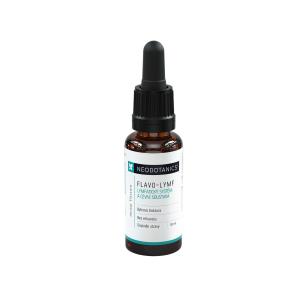
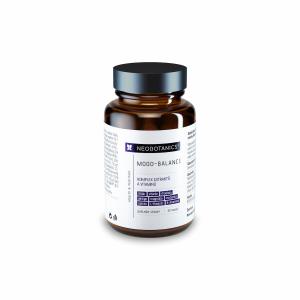
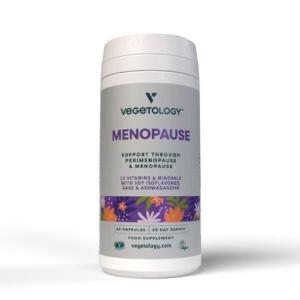
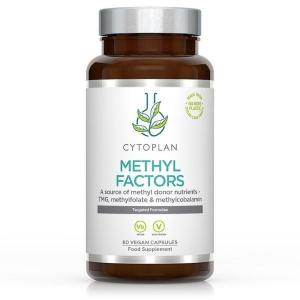
Try our natural products
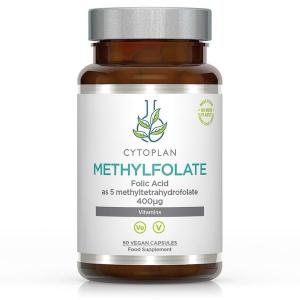
What happens in the body and why it occurs
Every hair on the human body, including eyebrows and eyelashes, goes through what is known as the hair cycle, which consists of three phases: anagen (growth phase), catagen (transitional phase), and telogen (resting and shedding phase). In a healthy young person, the vast majority of hairs are in the growth phase. As we age, this ratio gradually shifts – more and more hair follicles transition to the resting phase or their activity stops entirely.
The key factor is hormonal change. In women, this process accelerates significantly during menopause, when levels of estrogen and progesterone drop dramatically. These hormones have a direct influence on hair follicles and their ability to produce new hairs. Research shows that estrogen extends the growth phase of the hair cycle, so its decline logically leads to hair – and therefore eyebrows and eyelashes – growing more slowly, becoming weaker, and falling out more quickly.
In men, a similar process occurs in connection with declining testosterone, which happens more gradually but all the more insidiously. Paradoxically, androgens (male sex hormones) play a dual role in the hair cycle – while they support beard growth, they can gradually weaken follicles in other areas of the body.
In addition to hormones, the natural aging of the skin itself plays a crucial role. The skin loses elasticity, thins, and experiences reduced blood flow. Hair follicles, anchored within the skin, receive fewer nutrients and less oxygen, which directly limits their function. Dermatologists note that eyebrow follicles are particularly sensitive to changes in microcirculation – that is, blood flow through the smallest vessels in the skin.
Free radicals and oxidative stress also play a significant role. As we age, the body's ability to neutralize these harmful molecules decreases, and they damage cells, including those in hair follicles. This is precisely why long-term lifestyle choices have such a pronounced effect on how quickly and noticeably these changes occur.
How the body responds to thinning eyebrows and eyelashes
Interestingly, the body responds to hair loss in the eyebrows and eyelashes differently than it does to hair loss on the scalp. Hair follicles in different areas of the body have distinct characteristics and respond differently to hormonal signals. Eyelash follicles, for example, have one of the shortest natural growth cycles of any hair on the body – the anagen phase lasts only three to six months, whereas scalp hair grows actively for two to six years. This means that eyelashes naturally renew more quickly, but are also more sensitive to any disruption of this cycle.
Imagine a woman in her fifties who has meticulously plucked her eyebrows her entire life, shaping them into the then-fashionable thin arch. Today she finds that the outer thirds of her eyebrows – the part near the temples – simply refuse to grow back. This is no coincidence. Repeated hair removal can, after years, cause permanent damage to follicles, which then, combined with natural aging, cease to function altogether. The outer third of the eyebrow is typically the first area where thinning becomes noticeable, even without mechanical damage.
This phenomenon has also been described by the American Academy of Dermatology, which warns that repeated trauma to hair follicles can lead to their permanent loss of function – and this applies even to seemingly harmless everyday habits.
However, thinning eyebrows and eyelashes does not necessarily have to be purely a matter of age. It can also be a symptom of a specific medical condition. One of the most common culprits is hypothyroidism – insufficient thyroid function. The thyroid gland regulates the body's entire metabolism, and its hormones have a direct effect on hair follicles. In hypothyroidism, cellular renewal slows down, which manifests, among other things, in thinning eyebrows – again, typically in the outer portion. If someone notices a sudden or significant loss of eyebrow hair, doctors recommend having thyroid hormone levels checked.
Other possible causes include alopecia areata (an autoimmune condition causing patchy hair loss), deficiencies in iron, zinc, or biotin, chronic stress, or certain medications – such as anticoagulants, beta-blockers, or retinoids. Chemotherapy is among the best-known causes of temporary loss of both eyelashes and eyebrows.
What actually helps and what to watch out for
As the renowned dermatologist and skin aging lecturer Dr. Howard Murad says: "Caring for your skin from the outside is only half the story – the other half happens on your plate." And this idea applies doubly to hair follicles, which are extremely sensitive to the body's nutritional status.
Nutrition plays an absolutely crucial role in maintaining the density of eyebrows and eyelashes. Hair follicles require a range of nutrients to function properly – biotin (vitamin B7), which supports keratin synthesis; zinc, which is involved in cell division; iron, essential for transporting oxygen to the follicles; and omega-3 fatty acids, which reduce inflammation and support blood flow to the skin. A deficiency in any of these elements can manifest relatively quickly in the quality and density of eyebrows and eyelashes.
This is precisely why dietary supplements aimed at supporting the health of hair, eyebrows, and eyelashes have gained popularity in recent years. A wide range of products containing combinations of the aforementioned nutrients are available on the market, and the foundation should always be a varied and balanced diet rich in whole grains, legumes, nuts, seeds, leafy greens, and quality protein sources.

In terms of topical care, eyebrow and eyelash serums have been receiving a great deal of attention lately. These serums typically contain peptides that stimulate hair follicles, or substances such as prostaglandins (for example bimatoprost, originally a glaucoma medication), which demonstrably extend the growth phase of the hair cycle. Natural alternatives also exist – castor oil is among the most popular traditional remedies for supporting eyebrow and eyelash density. Although the scientific evidence is not entirely conclusive, many users and some smaller studies suggest a positive effect on the hydration and strength of hair fibers.
It is important, however, to approach product selection with caution. Some eyelash serums contain synthetic prostaglandins, which can cause eye irritation, changes in iris color, or darkening of the eyelid skin in sensitive individuals. Before using any product intended for use near the eyes, it is advisable to review the ingredients and, in case of doubt, consult a dermatologist or ophthalmologist.
In addition to nutrition and topical care, overall lifestyle has a significant influence. Chronic stress is an underestimated cause of hair loss – cortisol, the primary stress hormone, disrupts the hair cycle and can accelerate the transition of follicles into the resting phase. Regular physical activity, adequate sleep, and stress management techniques are therefore not merely general healthy lifestyle recommendations, but have a direct impact on the condition of hair follicles.
It also makes sense to pay attention to the mechanical care of eyebrows and eyelashes. Aggressive makeup application and, in particular, inadequate removal can weaken eyelashes over time. When removing makeup, it is advisable to use gentle products and movements – rubbing or pulling at eyelashes demonstrably accelerates their loss. Similarly, excessive use of fiber mascaras or permanent eyelash extensions (so-called lash extensions) can mechanically damage natural eyelashes and follicles.
As for eyebrows, the situation today is fortunately different from previous decades. The trend of natural, full eyebrows that has dominated in recent years has led many women to stop aggressive plucking and instead carefully cultivate their brows. Trichologists – specialists in hair and the scalp – welcome this, because the longer follicles rest from mechanical damage, the greater the chance of their recovery.
If thinning of the eyebrows or eyelashes is significant, rapid, or accompanied by other symptoms (fatigue, weight gain, dry skin, mood changes), it is definitely worth visiting a doctor. As mentioned, it may be a symptom of a systemic condition requiring specific treatment. Dermatologists today also have access to more advanced methods, such as platelet-rich plasma (PRP) therapy, which was originally used in treating scalp alopecia and is now finding application in stimulating eyebrow follicles as well.
Aging is a natural process that cannot be stopped – but its visible manifestations can certainly be slowed and mitigated through a mindful approach. Understanding what is happening in the body and why is always the first step toward being able to take measures that will genuinely help. And this applies equally to caring for the hair on one's head as to those seemingly inconspicuous fibers that make up the eyebrows and eyelashes – which reveal far more about overall health than might appear at first glance.