
How to Restore Yellowed Plastic Garden Chairs
Summer arrives, you take your garden furniture out of the basement or shed, and the first glance is disappointing. The plastic garden chairs you bought snow-white and spotless a few years ago now look as though someone has soaked them in tea. A yellowish tint, a dull surface, grey patches here and there – and suddenly the whole garden looks neglected, even if everything else is in perfect order. This is a problem familiar to almost everyone who owns plastic garden furniture. The good news is that it’s far from the end of its useful life.
Plastic turns yellow for a clear physical reason. Most inexpensive and mid-range garden furniture is made from polypropylene or polyethylene, both of which contain various additives, stabilisers and dyes. But UV radiation from the sun gradually breaks down chemical bonds in the plastic’s surface layer, oxidising the dyes and changing the surface’s appearance – most often to that unattractive yellow or greyish-brown colour. Oxygen in the air, moisture, temperature swings between winter and summer, and contaminants such as pollen, dust and bird droppings also contribute, literally working their way into the surface over time. You know the result.
Interestingly, this process doesn’t depend solely on the price of the furniture. Even relatively expensive pieces can yellow faster than cheaper alternatives if the manufacturer used lower-quality UV stabilisers or if the chairs are exposed to intense direct sunlight all day. Conversely, furniture kept in the shade or treated regularly stays in good condition considerably longer. That’s worth knowing before you start restoring it – and before you next shop for new furniture.
Try our natural products

How to clean and restore plastic at home
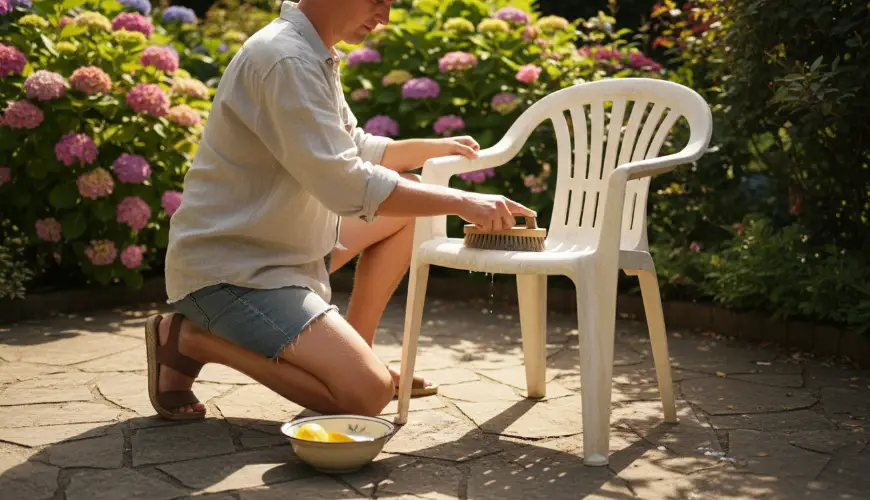
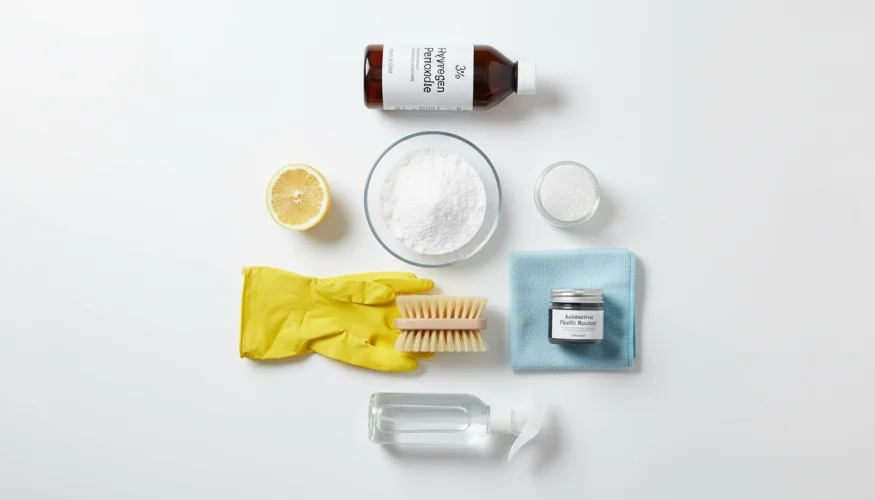
Before reaching for chemical cleaners or considering buying new pieces, it’s worth trying some proven home methods. One surprisingly effective combination is a favourite among experienced gardeners and DIY enthusiasts: baking soda mixed with a little washing-up liquid and warm water. Apply a paste made from these ingredients to the chair’s surface, leave it for about ten to fifteen minutes, then scrub with a medium-bristled brush. The result can be surprising – some of the yellow buildup comes off, the surface brightens and regains a little of its original shine.
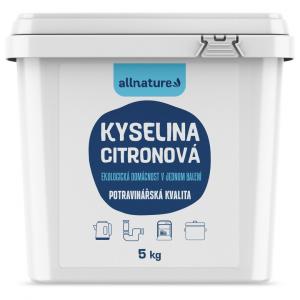
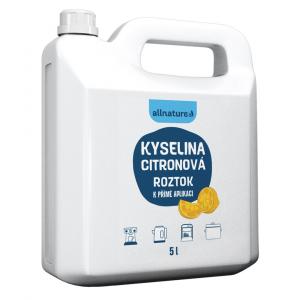
Another popular method is using citric acid, which is available in any supermarket and is gentle on both the environment and your skin. A solution of roughly two tablespoons of citric acid in a litre of warm water acts as both a mild bleaching agent and a degreaser. If that still isn’t enough, the next option is a hypochlorite-based bleach – ordinary household bleach diluted with water at a ratio of approximately 1:10. Caution is needed here, though – gloves are essential, direct contact with nearby plants should be avoided, and the furniture must be rinsed thoroughly after application. This method is effective, but it’s best used as a last home remedy before turning to specialist products.
Garden enthusiasts also recommend using automotive polishing compound or plastic restorer, products originally sold to treat plastic car parts. These products work as mild abrasives, removing the oxidised surface layer of plastic to reveal a fresher layer underneath. The result can be dramatic – especially on furniture that is damaged only on the surface rather than deep down. Application is simple: put the product on a cloth or sponge, rub it into the plastic in circular motions, then buff with a clean, dry cloth.
Another option is hydrogen peroxide, specifically the standard 3% solution sold in pharmacies. This method is slower, but surprisingly effective on more severe yellowing – especially when combined with direct sunlight. The process is simple: apply diluted peroxide to the surface, leave the furniture in the sun, and the UV radiation activates the bleaching reaction. Professional restorers use the same principle on old plastic, such as retro electronics or toys from the 1970s.
When cleaning isn’t enough and it’s time to restore
There is, however, a point beyond which home cleaning won’t help. If the plastic is uniformly and deeply yellowed, if it is starting to crumble or crack, or if the surface feels rough and brittle, the material has degraded deep down and no cleaning product will fix it. In that case, you essentially have three options: repainting, covering, or environmentally responsible disposal and replacement.
Plastic garden furniture can be repainted, but it requires the right approach. Ordinary plastic spray paint is available at household goods stores and online, and the result can be very good if the surface is first sanded thoroughly with fine sandpaper (around 220 grit), degreased and, if necessary, coated with a plastic primer. The paint adheres well when applied in thin coats, and the garden furniture will look like new – in a colour of your own choosing. Terracotta, anthracite, dark green or pastel blue are all popular colours that look good in a garden.
The second option is covering it with fabric covers or seat cushions. This is particularly popular when the seats and backrests are visibly damaged but the chair’s frame is still sturdy and functional. Tailored covers are available for standard types of garden chairs, and buying them is considerably cheaper than purchasing new furniture. They also give the garden a cosier, more personal feel.
The third option is to make a conscious decision to dispose of the furniture – but do it properly. Plastic belongs in the recycling, specifically in the yellow recycling container or at a recycling centre, where specialists will take care of what happens to it next. Throwing plastic chairs into general waste is not only an unnecessary waste of raw materials, but also an environmental mistake that is easy to avoid. The Czech Environmental Information Agency CENIA and the Ministry of the Environment have repeatedly emphasised that sorting waste correctly is one of the simplest ways each of us can help reduce our environmental impact.
If you’re considering new furniture, it’s useful to know what to look for. Garden chairs made from recycled plastic, produced from PET bottles or other collected materials, are now available. Paradoxically, this material is more durable than virgin plastic because the manufacturing process involves adding a higher concentration of UV stabilisers. It also keeps material out of landfill, giving a second life to something that would otherwise be waste. A number of studies and consumer tests confirm that recycled plastic furniture can remain in good condition for ten to fifteen years without significant yellowing or mechanical damage.
As German designer and sustainable design pioneer Werner Aisslinger once remarked: “The most sustainable product is the one you don’t have to replace.” That’s the idea behind the whole approach to restoring old furniture – whether garden chairs or anything else.
Regular care is also an important part of prevention, slowing yellowing or preventing it altogether. Plastic furniture wiped down once a month with a damp cloth and treated twice a year with silicone spray or a plastic protectant will retain its appearance much longer. An even better solution is to store the furniture indoors over winter or cover it with a waterproof sheet that protects it not only from UV radiation but also from moisture and frost. These simple steps can extend the furniture’s life by several years – a saving well worth making.
There’s another aspect to all this that is easy to overlook. If you have older plastic furniture in your garden and are wondering whether to repair it or throw it away, first see whether someone else might need it. Second-hand shops, online marketplaces and local social media groups are full of people looking for inexpensive, functional furniture – and who may be willing to repair or repaint it themselves. Donating or selling old furniture instead of throwing it away is a small but meaningful step towards a less wasteful way of life.
A real-life example: three years ago, a family from Brno bought a complete white plastic garden furniture set. After two seasons, the chairs were visibly yellow and dull. Instead of buying new ones, they used a combination of citric acid and automotive plastic restorer, then spray-painted the entire set anthracite and added colourful fabric seat cushions. The result? The garden looks better than it did with the original furniture, the total cost was no more than 800 Czech crowns, and nothing went to waste.
Yellowed plastic garden chairs are certainly not an automatic death sentence. With a little time, the right products and a willingness to experiment, they can become fully functional pieces of furniture that will serve you for years to come. And even if repairs ultimately aren’t enough, there’s still the environmentally responsible option of replacing them with a more sustainable alternative – instead of letting them end up where we don’t want to see plastic waste.