

How to Prevent Toxic Shock Syndrome When Using Tampons and Menstrual Cups
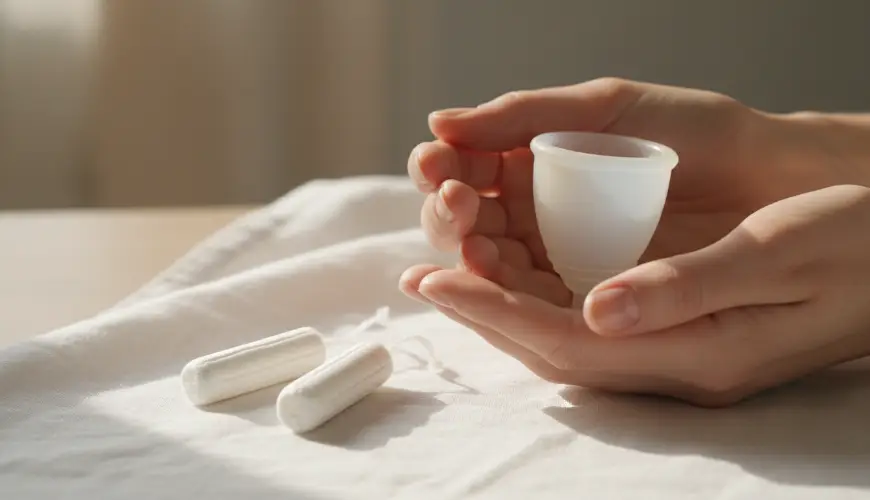
Every woman who has ever read the leaflet included with a pack of tampons has come across it – toxic shock syndrome. Three words that can provoke an uneasy sense of anxiety, yet remain shrouded in mystery for most of us. What exactly is it? How real is the risk? And what do tampons or menstrual cups have to do with it? Let’s talk about it without unnecessary panic, but with respect for the facts.
Toxic shock syndrome, or TSS, is a rare but serious illness caused by bacterial toxins. It is most commonly caused by the bacteria Staphylococcus aureus or Streptococcus pyogenes, which under certain conditions begin producing toxins that enter the bloodstream. The result can be a rapidly progressing reaction throughout the body – fever, a rash, a drop in blood pressure and, in extreme cases, organ failure. It sounds frightening, and in severe cases it really is. At the same time, it is important to say from the outset that TSS is not exclusively a “tampon disease” – it can affect anyone, men and women alike, in a range of situations, from surgical wounds and skin infections to burns.
The link between toxic shock syndrome and menstrual products entered public awareness particularly in the 1980s, when several serious cases associated with the use of so-called superabsorbent tampons were reported in the United States. These tampons contained synthetic fibers that created an ideal environment for bacteria to multiply. After these products were withdrawn from the market and stricter regulations were introduced, the number of cases fell significantly. Today, tampons available in pharmacies and stores are made from materials that have undergone safety testing, and the risk of TSS associated with their use is indeed very low – approximately 3 to 4 cases per 100,000 menstruating women per year, according to medical sources.
Try our natural products

Why tampons and menstrual cups still cause concern
Even so, the fear persists. Partly because product leaflets are legally required to warn about the risk of TSS, and their stark list of symptoms can seem alarming. Partly because inaccurate information about TSS circulates online, either downplaying or exaggerating the reality. And partly because menstruation is still not discussed openly as often as it needs to be – and where open communication is lacking, unnecessary fears can easily arise.
Consider a real-life example: Jana, a thirty-year-old teacher, started using a menstrual cup after reading about more environmentally friendly alternatives to tampons. But she soon became worried – what if she left it in for too long? What if she cleaned it incorrectly? She stopped sleeping, read discussions on online forums and eventually wondered whether she should use the cup again at all. Yet all she needed to do was read reliable information and consult a gynecologist to discover that, when used correctly, a menstrual cup is a safe and proven choice.
There are thousands of women like Jana. That is precisely why it is worth examining what actually increases the risk of TSS and what is merely a myth.
The key factor in the development of TSS is not the menstrual product itself, but a combination of conditions: the presence of bacteria, an environment suitable for their growth and a reduced ability of the body to neutralize toxins. Tampons can theoretically increase the risk because they absorb menstrual blood and can also disrupt the natural vaginal environment – especially if they are left in for too long or if tampons with a higher absorbency than needed are used. Experts therefore recommend using tampons with the lowest suitable absorbency and changing them every four to eight hours.
A menstrual cup works differently – instead of absorbing blood, it collects it. Some experts therefore believed that a cup might be safer in terms of TSS because it does not change vaginal pH in the same way as tampons. Research in this area is still ongoing, but a review published in The Lancet Public Health in 2019 described the menstrual cup as a safe alternative to tampons with a low risk of adverse effects. At the same time, it noted that a cup must also be cleaned properly and must not be left in the body longer than the manufacturer recommends – usually a maximum of twelve hours.
How to actually protect yourself against TSS
Protecting yourself against toxic shock syndrome is not complicated. It is primarily a matter of being informed and following basic hygiene rules that apply to any menstrual product.
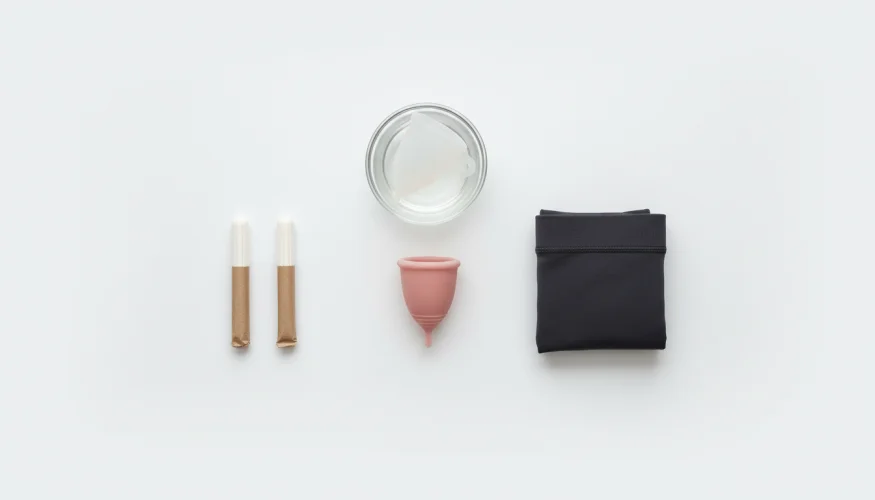
When using tampons, the essential rule is to change them regularly – every four to eight hours, never overnight unless absolutely necessary. It is also important to choose the right absorbency: tampons labeled “super” or “super plus” are intended for heavy bleeding, not for everyday convenience. Using a tampon that is too absorbent for a light flow creates an unnecessarily dry environment that can disrupt the natural vaginal flora.
With a menstrual cup, hygiene during handling is key. Hands should be washed thoroughly before both inserting and removing the cup. The cup itself should be sterilized after each cycle – most simply by boiling it in water for five to ten minutes. During the cycle, rinsing the cup with clean water is sufficient. If possible, it is advisable to avoid scented soaps, which can disrupt vaginal pH.
Symptoms of TSS to watch out for include:
- a sudden high fever (above 38.9 °C)
- a rash resembling sunburn, especially on the palms and soles
- vomiting or diarrhea
- dizziness, fainting or confusion
- muscle aches
If these symptoms appear during or shortly after menstruation – especially while using a tampon or cup – you must remove the product immediately and seek medical help. Time is critical in cases of TSS.
It is also important to know that not every woman has the same risk. Women who have had TSS are more likely to experience it again because their immune system may not produce enough antibodies. Stricter recommendations apply to them – ideally, they should consult a doctor about suitable alternatives.
As American gynecologist and women’s health educator Dr. Jen Gunter once said: “Fear of menstrual products should never be greater than fear of being uninformed.” And that is the heart of the matter. TSS is a real risk that deserves attention – but it is not a reason to panic or reject tampons or menstrual cups altogether.
The growing shift toward more environmentally friendly menstrual products – whether cups, period underwear or cloth pads – brings not only environmental benefits but also an opportunity to think about what we put into our bodies and how we handle these products. Period underwear, for example, poses virtually no risk of TSS because it absorbs blood externally and does not come into direct contact with the vaginal lining. For women who are wary of tampons or cups for any reason, it can be a very good option.
It is also worth noting that the quality and composition of menstrual products have improved significantly over the past few decades. Modern tampons undergo rigorous testing, and manufacturers are required to disclose the composition of their products – in the European Union, updated legislation concerning hygiene products has required this since 2023. Consumers therefore have far more opportunity to make informed choices today than earlier generations did.
Finally, it is worth remembering that a gynecological appointment is the best place to discuss your concerns. Many women have never asked their gynecologist about TSS or menstrual products – yet a doctor is precisely the person who can assess individual risks and recommend the most suitable solution. The fear surrounding topics related to menstruation is gradually fading, and that is a good thing. The more women have access to accurate and understandable information, the less unnecessary panic there will be and the more room there will be for truly informed and calm decisions about their own health.