

What Do “Best Before” and “Use By” Mean on Food Labels?
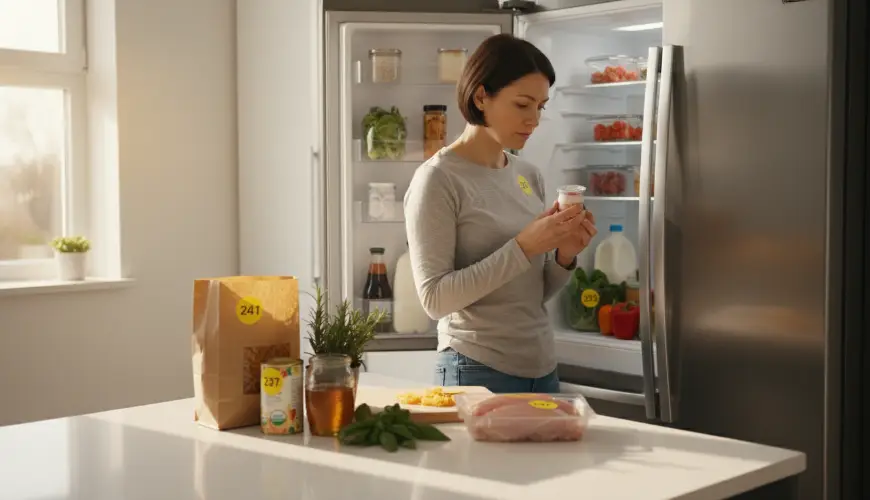
We all know the situation. You open the fridge, take out a yogurt and find a date on the lid that passed three days ago. What now? Throw it away or taste it? The answer depends on whether the product is labelled “best before” or “use by” – and confusing these two terms is one of the most common causes of unnecessary food waste in Czech households.
These labels convey fundamentally different information, each with a clear legal basis and practical implications for our health and our wallets. Knowing the difference should be part of basic food literacy – just like knowing that milk shouldn’t be kept in the fridge door or that bread keeps better in a cloth bag than in a plastic one.
Try our natural products
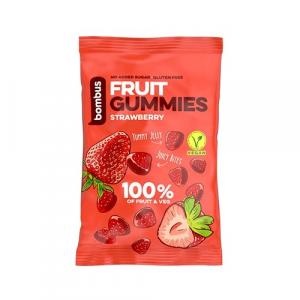
What exactly do these labels mean?
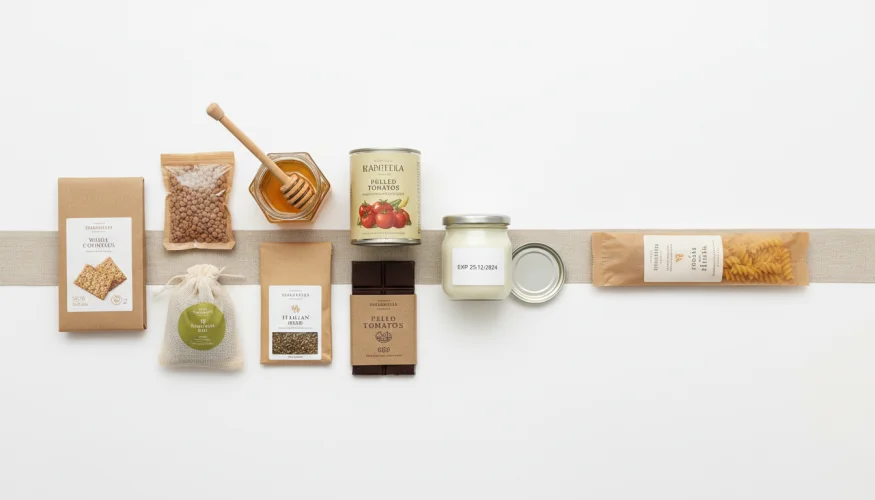
Best before indicates that the product will retain its optimal qualities until the stated date: taste, smell, colour and texture. Once that date has passed, the food does not automatically become unsafe. Its flavour may be slightly different, it may be less crunchy or its appearance may have changed a little, but in the vast majority of cases it is still perfectly safe to eat. This label typically appears on dry foods such as pasta, rice, pulses, coffee, chocolate, canned products and biscuits.
Use by, on the other hand, is a genuine safety warning. This date applies to foods that are microbiologically unstable and may pose a health risk after the date has passed, even if they look and smell normal. These include fresh meat, fish, some dairy products and ready meals from refrigerated display cases. The rule here is simple: the date is binding, and eating the food after it has passed really isn’t a risk worth taking.
The European Union harmonised these rules through Regulation No. 1169/2011 on the provision of food information to consumers, which clearly defines when each label is used and what obligations manufacturers have. Yet surveys repeatedly show that a large proportion of consumers confuse the two labels – or are unaware of the difference altogether.
WRAP, an organisation that has long researched food waste in the United Kingdom, estimates that confusion between these two labels contributes to millions of tonnes of food ending up in the bin every year, even though it is perfectly edible. In the Czech Republic, according to data from the Ministry of Agriculture, the average household throws away food worth several thousand Czech crowns each year – and a large proportion of it is food past its best-before date.
What does this look like in practice? Take the example of Markéta, a thirty-year-old teacher from Brno who carefully plans her shopping every week and tries to minimise waste. Despite her best efforts, dried herbs, wholegrain crackers and cocoa past their dates regularly ended up in her bin. “I always thought I’d rather not take the risk,” she explains. It was only when she became interested in sustainable cooking and read more about the food labelling system that she discovered she could have safely consumed most of these products for weeks or even months after the stated date. Today, she treats the best-before date as a recommendation, not a verdict.
Why do so many people throw away food unnecessarily?
There are several reasons, and they overlap. One is the wording on packaging itself, which can be confusing. Manufacturers sometimes use different versions – “best before”, “use by”, “best before end” – and consumers unfamiliar with the legal definitions can easily lose track. Add a natural fear of food poisoning, and the result is an unnecessarily strict approach to dates on packaging.
Another factor is the visual and smell checks that people have stopped trusting. Yet for foods with a best-before date, the senses are the most reliable guide. If cheese is not mouldy, has no suspicious smell and has a normal consistency, it is very likely fine – regardless of what the date on the packaging says. By contrast, the senses are not enough for foods labelled “use by”, because dangerous bacteria such as Listeria monocytogenes or Salmonella may be neither smelled nor seen.
The third factor is cultural conditioning. In many households, there is a deeply rooted belief that the date on the packaging is absolute and that going past it means gambling with your health. This belief is passed down from generation to generation and is difficult to change, even when clear information is available.
Yet there are entire categories of food for which the best-before date is largely symbolic. Honey is one of the best examples – thanks to its chemical structure, it is virtually imperishable. Archivists and archaeologists have found honey in Egyptian tombs thousands of years old that was still edible. Salt, vinegar, pure alcohol and dried pulses have similarly exceptionally long actual shelf lives. And yet you will find a date on their packaging because the law requires it – not because there is any danger once it has passed.
As Stuart Gillespie, a researcher specialising in global food systems, aptly noted: “Food waste is not just an economic problem. It is a moral failure at a time when hundreds of millions of people are going hungry.” These words are a reminder that every yogurt or slice of bread thrown away simply because the date on the packaging passed a day earlier has a real impact – ecological, economic and ethical.
Food production consumes enormous amounts of resources – water, energy and land. When we throw food away, we throw away not just the food itself, but also all the resources needed to produce it. According to the Food and Agriculture Organization of the United Nations (FAO), approximately one third of all food produced worldwide is wasted – and it contributes to around 8 to 10 per cent of global greenhouse gas emissions. Reducing waste at the household level is one of the most accessible ways for individuals to help protect the climate.
One practical step towards improving the situation is to introduce a FIFO system at home – “first in, first out”, meaning use what was bought first. Older products are moved to the front of the fridge or pantry, while newer ones go at the back. This simple habit, common in professional kitchens, can significantly reduce the amount of expired food. It is equally useful to check supplies regularly and plan meals around ingredients that are approaching the end of their shelf life.
When shopping, it is also worth deliberately choosing products with less time left before their expiry date if you plan to use them soon. Many shops discount these products – and buying them instead of their fully “fresh” equivalents makes sense for both your wallet and the planet. Some apps, such as the Czech platform Nesnězeno, even make it possible to rescue food approaching its use-by date from restaurants and bakeries at a fraction of the price.
It is also important to know how to store food correctly, because even the best shelf-life date is of no use if a product is stored improperly. Temperature, humidity and light are the three main factors that affect how quickly food spoils. Olive oil stored in direct sunlight loses quality much faster than it does in a dark pantry. Bread in a plastic bag goes mouldy faster than in cloth or paper packaging. And many types of fruit and vegetables last longer outside the fridge – tomatoes, for example, lose their flavour and texture in the cold, whereas they ripen naturally at room temperature.
For the specific food categories where confusion between the labels is most common and most risky, the basic distinction is as follows:
- Best before (safe even after the date has passed): pasta, rice, pulses, dried herbs, coffee, tea, chocolate, honey, vinegar, canned foods, biscuits, crackers
- Use by (the date is binding): fresh meat and fish, chilled ready meals, some types of fresh dairy products, raw dough containing eggs
This distinction is not always absolute and depends on the individual product and its ingredients, but it serves as a reliable general guide.
At a time of growing interest in sustainable lifestyles and mindful consumption, food literacy is becoming one of the key skills of modern life. Understanding what is written on packaging means not only saving money and reducing waste, but also better understanding what we eat and where it comes from. The difference between a best-before date and a use-by date is not a technical detail for experts – it is practical information that affects the decisions of millions of people every day at the fridge, in the shop and at the dining table.
Next time you have a yogurt in your hand with a date that passed yesterday, first check which label it bears. If it is a best-before date, trust your senses. If it says “use by”, respect the warning. It really is that simple – and that important.