
Vinyl or PVC floor will last longer without these mistakes
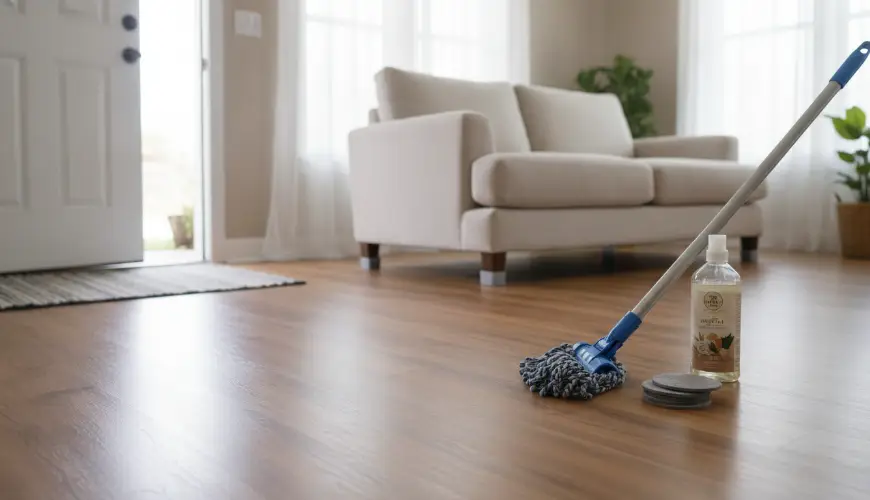
Vinyl and PVC flooring is currently among the most popular choices for both homes and commercial spaces. It's no wonder – it offers an attractive appearance, relatively easy maintenance, and durability that surpasses many other types of flooring. Yet even the highest-quality vinyl flooring can start to lose its shine over time, become deformed, or develop permanent scratches and stains. What causes this? In most cases, it's not a material defect, but everyday mistakes that their makers aren't even aware of.
The lifespan of vinyl flooring ranges from 10 to 25 years, depending on material quality, installation method, and above all, maintenance. In practice, however, floors wear out much faster. The reason? Wrong cleaning products, inappropriate footwear, direct sunlight, or poorly chosen accessories. Each of these factors plays a role, and together they can mean that an investment in a beautiful floor goes to waste sooner than necessary.
Try our natural products
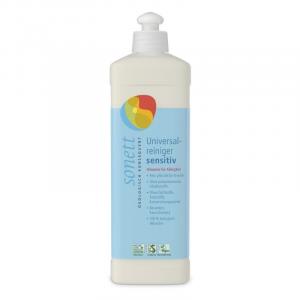
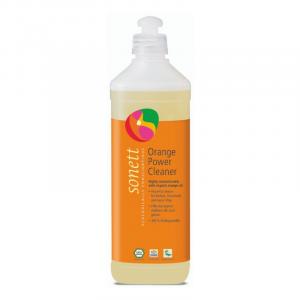
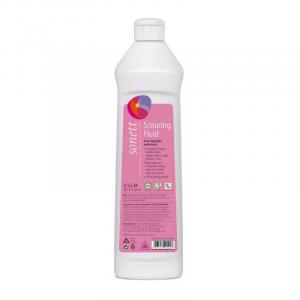
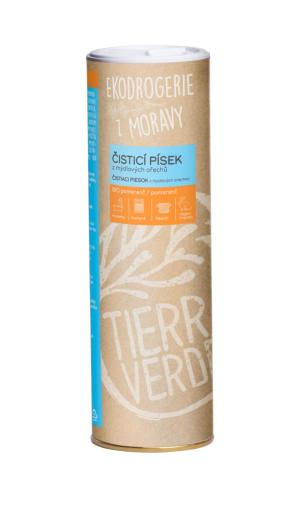
The Biggest Enemies of Vinyl Flooring in Everyday Life
One of the most widespread misconceptions is the belief that vinyl flooring is "indestructible" and requires no special care. This myth stems from the fact that vinyl is indeed more durable than wood or carpet, but that's far from meaning we don't need to look after it. The greatest damage to vinyl and PVC floors is caused by inappropriate cleaning products – and this is a problem that affects nearly every other household.
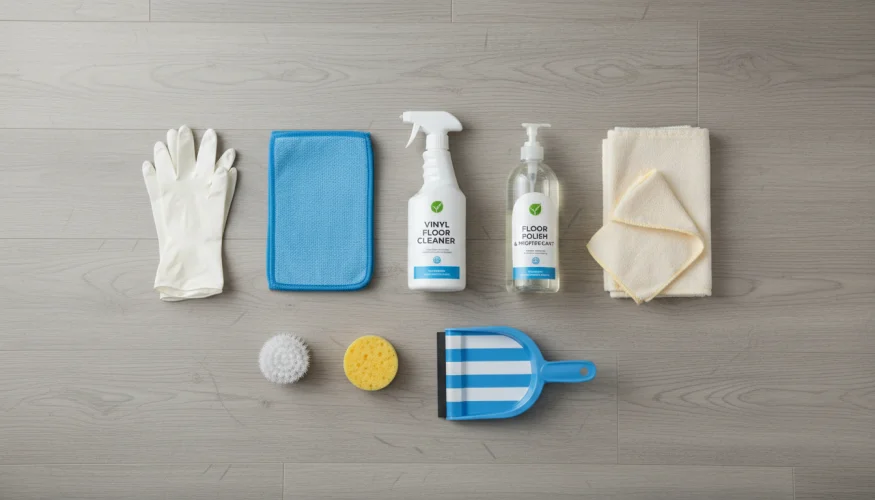
Standard cleaning products based on solvents, strong acids, or aggressive alkalis can damage the protective layer of vinyl, causing the surface to become dull, crack, or peel. Equally dangerous are products containing wax or silicone – while these may give the floor a short-term shine, they leave a greasy film that accumulates over time and permanently damages the floor. Flooring care experts recommend using neutral cleaning products with a pH value between 7 and 9, which are gentle on the surface while effectively removing dirt.
An equally serious problem is using excessive amounts of water when cleaning. While vinyl flooring resists moisture better than wooden parquet, that doesn't mean it can be flooded without concern. Water gets into the joints between boards or panels, seeps under the floor, and causes swelling, deformation, or even mold growth. The correct way to clean vinyl flooring involves using a well-wrung mop – the surface should be nearly dry within two minutes of cleaning.
Another silent enemy is sand and small stones, which are tracked in from outside. They may seem harmless, but with every step they act like sandpaper, leaving fine but permanent scratches on the surface. This is precisely why it's advisable to place a quality doormat at the entrance – ideally one that traps dirt before it enters the room. Footwear with hard heels or shoes with metal studs on the sole presents a similar problem. The point pressure exerted by such shoes can cause permanent indentations that cannot be repaired.
A surprisingly destructive factor is also direct sunlight. UV radiation gradually degrades the pigments in vinyl and causes visible color fading, particularly in areas where sunlight shines through a window. At first glance this may seem like an aesthetic issue, but UV radiation actually weakens the structure of the material itself. The solution is quality blinds or curtains, or special UV window films that allow light through while filtering harmful radiation.
The effect of temperature and its fluctuations should not be underestimated either. Vinyl is a thermoplastic material, meaning it responds to temperature changes – it expands slightly at higher temperatures and contracts at lower ones. If the flooring is installed without adequate expansion gaps at the walls, temperature changes can cause rippling or panels to start lifting. A similar effect occurs when vinyl flooring is exposed to localized overheating – for example, from direct sunlight through a glass panel or from an electric heater placed directly on the floor.
Furniture, Pets, and Other Unexpected Threats
Few people realize how much strain furniture places on flooring. Heavy wardrobes, sofas, or dining tables concentrate enormous pressure on a small area, and if their legs are metal or hard plastic, they leave permanent marks. The solution is protective pads under furniture legs – ideally soft felt or rubber ones that distribute pressure over a larger area. How we move furniture also matters: dragging heavy furniture across vinyl flooring without protective pads is one of the fastest ways to permanently damage it.
Pets are a joy in any household, but for vinyl flooring they can be a nightmare. Dog or cat claws leave scratches that deepen over time and trap dirt. Regularly trimming pets' claws isn't just a matter of hygiene – it's also prevention against floor damage. Moreover, pet urine, if not removed immediately, can penetrate into joints and cause permanent staining or odor.
A real-life example that illustrates how easily vinyl flooring can be damaged is a situation from an ordinary household: a family installs new vinyl flooring in the living room. They clean it regularly – but use a general-purpose cleaner they have on hand. After a year, they notice that the floor in the highest-traffic areas is starting to dull and there are visible fine cracks on the surface. The cause? The cleaning product contained solvents that gradually damaged the protective layer. Repairing or replacing the floor would cost several times more than using the correct cleaning product throughout the entire year.
As a flooring and surface care expert once noted: "People invest thousands in quality flooring and then destroy it with a cleaning product costing a few pennies." These words capture the essence of the problem better than any statistic.
Chemicals from everyday household activities that get onto the floor unnoticed also deserve special attention. Hair dye, nail polish remover, or various solvents – all of these substances can cause permanent stains or surface damage upon contact with vinyl. If such contact occurs, it's crucial to react immediately: wipe the area with a clean damp cloth and never scrub or use abrasive sponges.
A less obvious but all the more insidious enemy is rubber. Rubber mats, rugs, or the undersides of some carpets contain compounds that, with prolonged contact, cause a chemical reaction with vinyl. The result is permanent yellow or brown stains that cannot be removed even with intensive cleaning. Therefore, when selecting carpets or mats, it's worth verifying that their undersides are certified as safe for vinyl flooring. Manufacturers of quality home accessories typically include this information directly in the product description.
In the context of sustainable living and an eco-friendly home, it's worth mentioning that proper vinyl floor care is not just an economic matter – it's also environmentally responsible behavior. The longer a floor remains in good condition, the less material ends up in landfill. The European Environment Agency has long pointed out that extending the lifespan of products is one of the most effective ways to reduce the ecological footprint of households. Investing in proper floor care is therefore also a small step toward a more sustainable lifestyle.
When selecting cleaning products for vinyl floors, it's worth reaching for eco-friendly products that are just as effective as conventional chemicals but don't burden the environment or damage the floor. Such products tend to be biodegradable, manufactured without aggressive synthetic substances, and their pH naturally falls within the safe range for vinyl surfaces. This is an example of how environmental responsibility and practical home care complement each other.
The question, then, is not whether vinyl flooring is a good choice – in many respects it truly is. The more pertinent question is: do we know how to care for it so that it serves us as long as possible? The answer is surprisingly simple. It's enough to avoid a few basic mistakes:
- Don't use aggressive cleaning products containing solvents, strong acids, or wax
- Don't use excessive water when cleaning – always use a well-wrung mop
- Protect the floor from direct sunlight using blinds or UV films
- Use protective pads under furniture and never drag furniture across the floor
- Regularly remove sand and dirt at the entrance using a quality doormat
- Choose carpets and mats with certification safe for vinyl
- Immediately remove any chemicals that accidentally come into contact with the floor
Vinyl and PVC flooring can truly be a long-lasting and beautiful choice for any home – but only if we approach it with an awareness of what damages it. Knowing these risks and consciously eliminating them from our daily routine is the best thing we can do for our floor – and indeed for our wallet.