

What Zinc Deficiency Reveals About Your Health

There are signals that the body sends long before a health problem becomes apparent. Brittle hair that breaks with every brush stroke. Food that suddenly tastes different or barely tastes at all. Wounds on the skin that heal more slowly than they should. These seemingly unrelated symptoms may share a common denominator – and that is zinc deficiency. Although it is a trace element whose daily requirement is measured in milligrams, its influence on the functioning of the human body is surprisingly extensive.
Zinc is among the essential minerals, meaning the body cannot produce it on its own and must obtain it through diet or supplements. Yet we pay far less attention to it than, for example, vitamin C or magnesium. Perhaps because its deficiency does not arrive suddenly and dramatically, but creeps in silently – for months or even years before a person notices that something is wrong. According to data from the World Health Organization, approximately one third of the world's population suffers from zinc deficiency, and in developed countries this problem tends to be underestimated, particularly because its symptoms easily blend in with other complaints or are attributed to stress and overwork.
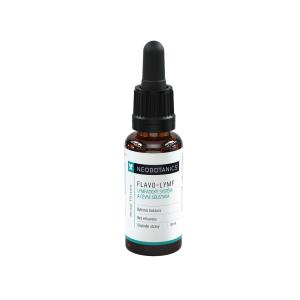
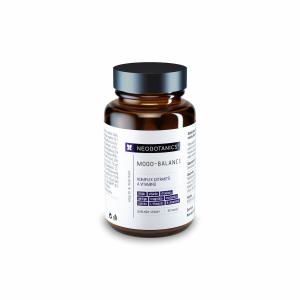
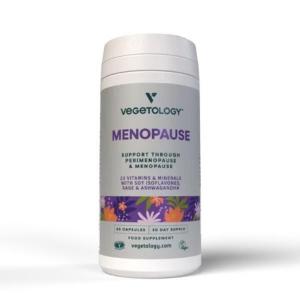
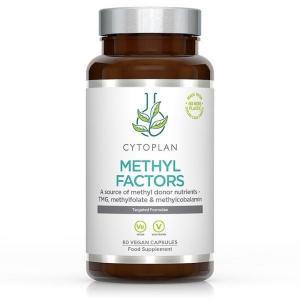
Try our natural products
Why zinc plays such a fundamental role in the body
To be clear about what is at stake: zinc participates in more than three hundred enzymatic reactions in the human body. It helps build proteins, supports cell division, protects DNA from damage, and is crucial for the proper functioning of the immune system. Without sufficient zinc, the entire organism enters a kind of slowdown – processes that should occur quickly and efficiently begin to falter.
One of the first organs to respond to zinc deficiency is the skin and hair follicles. Hair is composed primarily of keratin, a protein whose synthesis directly depends on the availability of zinc. When this mineral decreases, keratin production slows down and hair begins to lose its strength and elasticity. The result is brittle hair that breaks not only under mechanical stress, but also on its own. Many people in such cases reach for expensive shampoos or conditioners, without suspecting that the cause of the problem lies deep within – in the deficiency of a single mineral.
Consider a specific example: a thirty-year-old woman working in a demanding job notices that her hair is falling out more than usual and breaking during styling. She attributes it to stress, buys a regenerating hair mask and waits for improvement. Meanwhile, she begins to realise that food she previously loved no longer appeals to her – her morning coffee no longer lifts her spirits as it once did, her favourite cheese has lost its scent. She visits a doctor about fatigue, but her blood count looks relatively fine. Only a more detailed analysis of trace elements reveals what had been the problem all along: serum zinc levels significantly below normal.
Loss of taste as an overlooked symptom
The loss of appetite or impoverishment of taste perception is among the least discussed, yet highly characteristic manifestations of zinc deficiency. Zinc is essential for the proper function of taste buds – the small receptors on the tongue and in the oral cavity that distinguish sweet, salty, sour, bitter and umami. Without sufficient zinc, their sensitivity decreases and food begins to seem bland or unremarkable.
This phenomenon even has its own technical name – hypogeusia, meaning a reduced ability to perceive taste. In more severe cases, this can progress to ageusia, meaning a complete loss of taste. Interestingly, a similar mechanism was observed in patients who had contracted COVID-19, where the virus damaged the nerve endings responsible for smell and taste. Researchers from Harvard Medical School noted that zinc supplementation may in some cases help in the recovery of these senses, although research in this area is still ongoing.
Loss of taste is not merely an inconvenience – it has a direct impact on nutrition. A person who does not enjoy food naturally eats less or reaches for more intense but nutritionally poor foods. This closes a vicious circle: zinc deficiency causes loss of taste, loss of taste leads to poorer eating habits, and poorer eating habits deepen zinc deficiency. This cycle is one of the reasons why zinc deficiency is so prevalent among older people – absorption of nutrients worsens with age, appetite decreases and diet becomes less varied.
Zinc affects not only taste itself, but also appetite as such. It plays a role in regulating leptin, the satiety hormone, and its deficiency can cause a person to feel no hunger even when they should. The result is unintentional weight loss or chronic malnutrition, which manifests precisely in the hair, nails and complexion.
Brittle hair and loss of taste are, however, just two of the many symptoms that zinc deficiency can cause. Other warning signals include:
- frequent infections and weakened immunity
- slow wound healing and skin problems including acne
- irritability and mood swings
- problems with memory and concentration
- brittle nails with white spots
These symptoms can of course appear for other reasons as well, which is why it is always important to consult a doctor about any changes and have zinc levels measured in the blood.
How zinc deficiency develops and how to prevent it
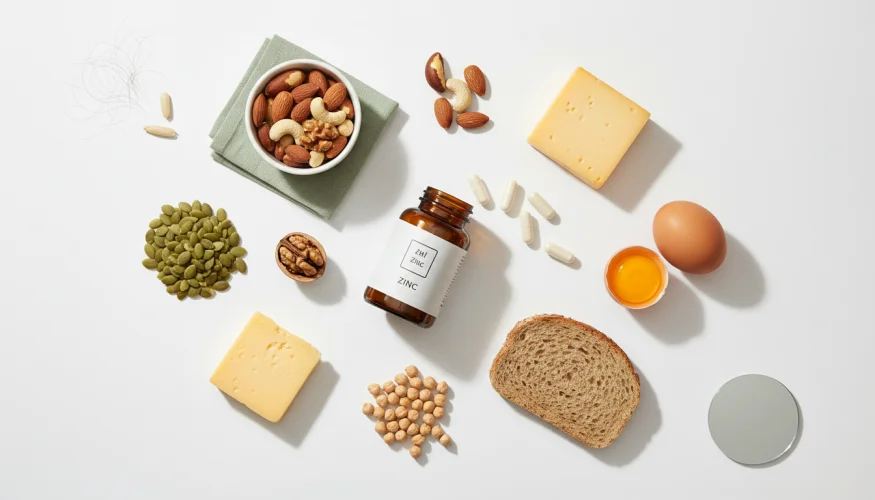
There can be many causes of zinc deficiency. Most commonly, it is an unbalanced diet low in animal proteins, as zinc is best absorbed from meat, fish and seafood. Oysters are by far the richest dietary source of zinc in the world – a single serving can cover several times the recommended daily intake. Significantly lower, but still valuable amounts of zinc are also found in pumpkin seeds, legumes, whole grains, nuts and eggs.
People following a vegan or vegetarian diet are at greater risk, not only because they exclude animal sources, but also due to the presence of phytates in plant-based foods. Phytates are natural compounds found in grains and legumes that bind to zinc and prevent its absorption in the intestines. Soaking, sprouting or fermenting these foods partially breaks down phytates and increases zinc bioavailability – this is an age-old culinary wisdom that has solid scientific foundations.
Other at-risk groups include pregnant and breastfeeding women, whose zinc requirements increase significantly, as well as older people, patients with chronic intestinal diseases such as Crohn's disease or coeliac disease, and people with alcoholism, as alcohol impairs zinc absorption and accelerates its excretion through the kidneys.
How can zinc deficiency be detected? The most reliable method is a blood test, specifically measuring zinc levels in serum or plasma. Some laboratories also offer hair zinc analysis, which can reveal longer-term deficiency. It is important to know, however, that even mildly reduced values can cause symptoms, while results within the "normal" range do not always reflect actual tissue zinc status.
As physician and researcher Ananda Prasad, one of the first to describe the zinc deficiency syndrome in humans, wrote: "Zinc is the silent hero of human physiology – overlooked until it is missing." His research from the 1960s opened an entirely new chapter in understanding trace elements and their impact on health.
If a doctor confirms zinc deficiency, treatment consists either of dietary changes or supplementation. Various forms of zinc are available on the market – zinc gluconate, zinc citrate or zinc bisglycinate, with organic forms generally being better absorbed than inorganic ones (such as zinc sulphate). When choosing a dietary supplement, it is advisable to pay attention to the quality and origin of the product – certified and transparently manufactured supplements offer greater guarantees of purity and efficacy.
It is important, however, not to overdo it. Zinc is indeed essential, but excessive intake can be harmful – it causes nausea, impairs copper absorption and can paradoxically damage immune function. The recommended daily intake for an adult man is approximately 11 mg, for a woman 8 mg, while the upper safe limit for long-term intake is around 40 mg per day.
Caring for zinc levels in the body is therefore a matter of balance – as is the case with most things in the realm of health. A varied diet rich in diverse nutrient sources, mindful purchasing of quality foods and regular medical check-ups form the foundation on which to build. If hair is losing its vitality, food is losing its appeal and the body is sending signals that are difficult to ignore, it is worth not overlooking one of the simplest yet most overlooked causes – whether the body is receiving sufficient amounts of this inconspicuous but absolutely essential mineral.