

You'll appreciate electrolytes in the heat and during sports when water alone isn't enough

Electrolytes are among the words that have appeared almost everywhere in recent years: in the world of sports, in recommendations for "quick rehydration," in discussions about fatigue, and in connection with hot summers. However, this is not a fad. Electrolytes are minerals without which the body cannot manage water, maintain stable nerve function, or properly move muscles. That's why it makes sense to know everything about electrolytes: what they are, what they are for, and for whom, and when and how to replenish them safely and naturally.
Perhaps someone has experienced a situation where, after a long run or hike in the heat, they feel a strange weakness, headache, and calf cramps. They've been "diligently" drinking water, but relief is nowhere to be found. It's not a paradox: with heavy sweating, you lose not only water but also salt and other minerals, and just water sometimes isn't enough. When is it just normal fatigue, and when is it a signal that the body is calling for help?
Try our natural products
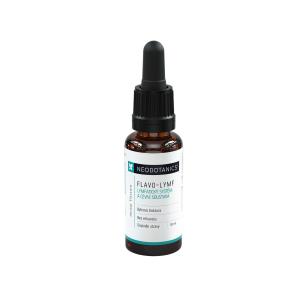
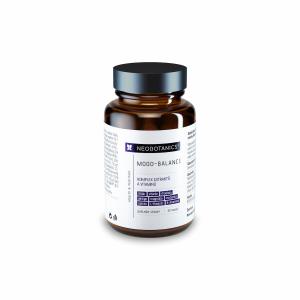

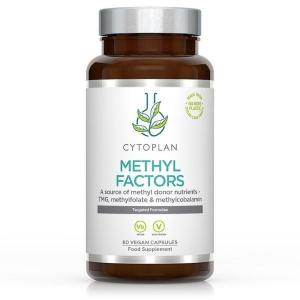
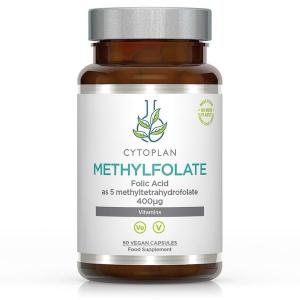

What are electrolytes and why they matter more than it seems
Simply put, electrolytes are minerals that carry an electrical charge in an aqueous environment (i.e., in blood and cells). This allows them to participate in the transmission of nerve impulses, muscle contraction, regulation of body fluid levels, and maintaining proper pH. It sounds like school chemistry, but in practice, these are very concrete things: without electrolytes, muscles won't "catch," nerve signals won't transmit, and the body can't maintain the balance between what's inside and outside the cells.
The most important electrolytes include:
- Sodium (key for water management and neuromuscular activity),
- Potassium (important for muscles, including the heart),
- Magnesium (supports nerves, muscles, energy; often associated with cramps),
- Calcium (bones, but also muscle contraction and nerve signals),
- Chlorides (along with sodium, maintain fluid balance),
- and to a lesser extent, Phosphates or Bicarbonate, which help with acid-base balance.
The body can "strictly" monitor some electrolytes, especially in the blood. However, even then, during prolonged exertion, diarrhea, vomiting, or extreme heat, the balance can be disrupted. And that's when what would otherwise remain hidden is revealed.
A suitable context is offered, for example, by an overview of fluids and electrolytes in the body on Cleveland Clinic or more general information about hydration and health on the WHO website (although it's more about the broader framework than a "guide"). In practical situations, the concept of rehydration solutions is often mentioned, used for diarrheal diseases; a useful explanation of why they work is offered by information on oral rehydration therapy at CDC.
What are electrolytes for and who benefits the most
When someone mentions "electrolyte drink," most people think of sports. But electrolytes are not just for athletes. Sport is just one situation where their role becomes visible: sweat is a salty fluid, and with it primarily sodium and chlorides are lost, to a lesser extent other minerals.
What are electrolytes for in everyday life?
- Hydration that really works: Water doesn't "move" by itself in the body. Electrolytes help keep fluids where they should be and ensure they are properly absorbed.
- Muscles and nerves: Cramps, twitches, weakness, or "rubbery legs" can be related to mineral imbalance and fatigue.
- Performance and focus: With a lack of fluids and sodium, concentration can deteriorate, headaches can occur, and a feeling of "fog" can set in.
- Blood pressure regulation: Especially sodium and potassium play a role in how the body maintains blood pressure in the normal range (here, caution is needed for people with hypertension and other diagnoses).
And for whom are electrolytes particularly important?
First and foremost, for people who exercise long and intensively (running, cycling, hiking in the heat, team sports indoors), because sweat losses can be significant and repeated. Also, for those who work physically in the heat or in protective clothing, where they sweat "secretly" and for long periods. They are also important for people who have gone through a gastrointestinal virus with diarrhea or vomiting, as fluids and minerals are lost quickly in such cases.
An interesting group also includes people trying to lose weight who switch to a low-carb regimen. In the first few days, the body may excrete more water and sodium, sometimes leading to fatigue, headaches, and "heavy" legs. It doesn't mean you need to immediately buy supplements, but conscious work with minerals (for example, adequate salting and a varied diet) can make the difference between a comfortable start and an unpleasant period.
Another practical moment comes into play: not everyone needs to supplement electrolytes in the form of drinks. If it's a normal day without extreme exertion and one eats normally, minerals are usually covered by the diet. Nevertheless, it's worth recognizing situations when the body might "fall behind."
"Hydration is not just about water but also about the balance of minerals."
This sentence sounds simple, but it perfectly captures why sometimes, even after several glasses of water, one doesn't feel better.
When to replenish electrolytes and how to do it wisely and gently
The question "when to replenish electrolytes" does not have a universal answer, but there are clear situations where it makes sense. Typically when the body loses fluids, and with them, minerals faster than normal.
Signals and situations where electrolytes can help
This is not a diagnosis, but a practical guide. Electrolytes are often addressed when:
- prolonged physical exertion (typically over 60–90 minutes, especially in the heat),
- intense sweating (wet clothes, salt on the skin, burning in the eyes),
- cramps or muscle weakness after exertion (not always just magnesium, often sodium too),
- headache and nausea in the heat, especially if one has only drunk water,
- diarrhea or vomiting, where rehydration is a priority (especially careful with children and seniors),
- long travel in the heat, when little is drunk and eating is irregular.
A real-life example: a family goes on an all-day trip in July. The adults feel like they're drinking enough because they're constantly reaching for a water bottle. But after a few hours, irritability, fatigue, and one member even experiences a calf cramp during descent. The culprit may not be "poor fitness," but the simple fact that sodium primarily leaves the body through sweat in the heat. At such a moment, it might help to have something salty with the water (such as broth, salty pastries in moderation, cheese) or choose a drink with electrolytes to replenish what was lost.
How to replenish electrolytes: less marketing, more balance
"How to replenish electrolytes" can be done in several ways, and often the simplest is the best: diet and natural sources. Electrolytes are common in foods, you just need variety.
- Sodium and chlorides: typically table salt, broths, fermented foods (in moderation).
- Potassium: potatoes, bananas, legumes, leafy greens, tomatoes.
- Magnesium: nuts, seeds, whole grains, cocoa, legumes.
- Calcium: dairy products, poppy seeds, sardines, some mineral waters.
Sometimes, however, "on-the-spot" diet isn't enough – typically during sports or in the case of acute fluid loss. Then rehydration solutions or ion/electrolyte drinks come into play. A sensible electrolyte drink usually contains mainly sodium (since it's lost the most through sweat) and often potassium and magnesium. For longer-lasting sports, a small amount of sugar is also useful because glucose helps sodium and water absorption in the intestine – the principle on which oral rehydration solutions used in medicine are based.
At the same time, it's important not to chase "as many minerals as possible." For electrolytes, the right concentration is key: a drink that is too concentrated can irritate the stomach and paradoxically worsen hydration. In practice, it's worth following the manufacturer's recommendations or verified formulas (especially for rehydration solutions for the sick).
What to watch out for when choosing (and when to be cautious)
Since electrolytes are sold in many forms, it's worth reading labels and thinking about the goal. Some people need to support hydration during sports, while others are just looking for a "healthier lemonade." The difference can be significant.
Practically, it's useful to monitor:
- Sodium content: with heavy sweating, sodium is often more important than "exotic" minerals.
- Amount of sugar: it may make sense for sports, but not for all-day sipping.
- Unnecessary colorings and flavors: those seeking a gentler option may prefer simpler compositions.
- Form: powder or tablets are compact for travel, ready-made drinks are convenient.
Important note: people with certain health conditions should be cautious. For instance, in the case of kidney disease, when taking certain blood pressure medications, or with heart problems, supplementing potassium or sodium "blindly" may be inappropriate. Similarly, long-term excessive salt intake is not a good idea. If there is a diagnosis in the background, it makes sense to consult a specific supplement type with a doctor or pharmacist.
Electrolytes in the heat: why sometimes just "drinking more" isn't enough
In summer, the advice "drink plenty" is often repeated. It's correct but incomplete. When only water is consumed and there is a lot of sweating, the body may start "diluting" sodium in the blood. In extreme cases, this can be dangerous; in more common cases, it manifests as fatigue, nausea, or headache. In practice, it makes sense to think that in the heat, sometimes salt also needs to be replenished, either through food or a drink with electrolytes.
Particularly tricky are situations where someone exercises in the heat but is also trying to eat "as cleanly as possible" and avoids salt. However, the body needs salt in a certain amount. This is not a call to salt indiscriminately but a reminder of balance: salt is not the enemy; the problem is its long-term excess or extreme restriction at the wrong time.
Small everyday "when": sauna, morning run, long flight
Electrolytes aren't only addressed in marathons. For some, they manifest even after a sauna, where one relaxes but also sweats significantly. Similarly, a morning run on an empty stomach in summer can lead to setting out with minimal fluids and minerals "in reserve." And a long flight? Dry cabin air, little movement, irregular drinking habits – here, too, it can make sense to think about hydration more wisely than just another cup of water.
In these situations, a simple strategy often suffices: eat normally beforehand, drink regularly, and after exertion, replenish fluids and minerals. Sometimes this means a simple broth or mineral water with appropriate composition, other times an electrolyte drink. The advantage is that it's not a "special cure," but a practical response to what the body is currently doing.
Electrolytes, therefore, aren't a miraculous elixir, nor a detail for a select few. They are silent regulators of every day: they help ensure that water in the body truly serves, muscles work, and the head functions even in challenging moments – in the heat, during sports, during illness, or over a long day of travel. And once it's understood what electrolytes are, what they are for, and for whom, it makes sense even in the most practical terms: when to replenish electrolytes and how to do so naturally, appropriately, and in line with what the body truly needs.