

What is urea and what is it used for if you are troubled by dry hands, flakes, or cracked heels?
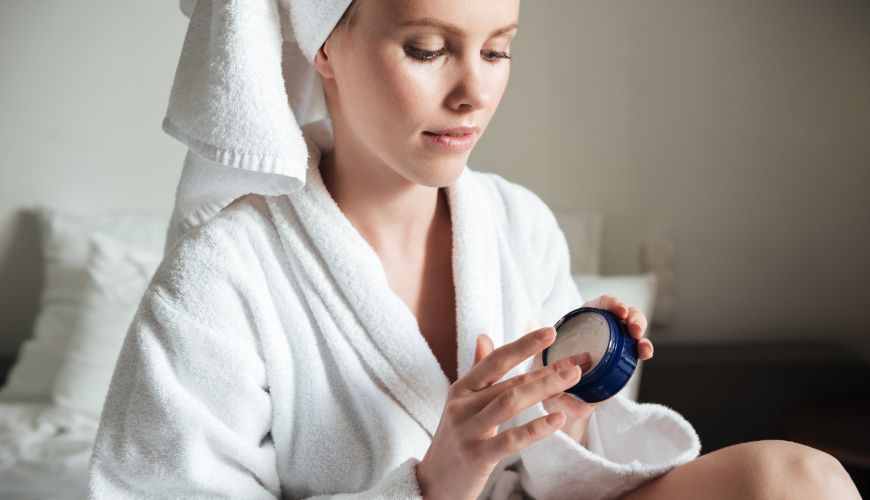
Urea is one of those ingredients that have been appearing in cosmetics for years, yet there remains a certain aura of ambiguity around it. Some view it as "something chemical," while others swear by it because it helped with cracked heels or skin flaking in winter. So, the simple question keeps coming back: what is urea and what is it used for? The answer is surprisingly simple yet practical — urea is a substance naturally akin to the skin, which can be a helper not only in healing but also in everyday care of healthy skin.
Urea (also known as carbamide) is an organic compound that is also found in the human body. In the skin, it is part of the so-called natural moisturizing factor (NMF), a mixture of substances that help retain water in the upper layer of the skin. When there's a shortage of this "internal moisturizer," the skin becomes tight, dry, rough, and more prone to irritation. This is where urea makes sense — not as a marketing label, but as a functional tool that can restore comfort to the skin.
Try our natural products
What is urea and why is it so similar to the skin?
Urea might sound unpleasant at first, but in reality, it's a substance that the body regularly produces. In cosmetics, synthetically produced urea is used (typically completely safe and pure), to ensure it is stable and suitable for sensitive skin. Its reputation is mainly based on two abilities: intense hydration and the ability to gently "loosen" the hardened layer of skin when needed.
In low concentrations, urea acts as a humectant — it attracts water and helps it stay in the skin. In higher concentrations, it also adds a keratolytic effect, the ability to soften and gradually release hardened skin. The result can be a smoother surface, fewer flakes, and an overall calmer feeling. This is why urea often appears in the care of heels, elbows, knees, and also in creams for very dry skin.
An important detail that sometimes gets lost in discussions: urea is not an "aggressive peel." It's not about scrubbing or quickly peeling skin. When used correctly, it works gradually and gently — and this is appreciated by people with sensitive, dry, or long-term stressed skin.
For further context, it’s good to remember that the function of the skin barrier is a frequently discussed topic even in professional sources today. The skin is not just a "cover," but an active protective layer that prevents water loss and external irritation. When the barrier doesn't function, the skin behaves unpredictably: it feels tight, itchy, flaky, and red. Urea fits into this logic because it supports hydration and comfort, two things that are hard to maintain without healthy skin. For those who want to understand how the skin barrier works, they might start with overview information from the American Academy of Dermatology (the site is in English but is among the most respected sources in dermatology).
Urea in practice: what to use it for and how to recognize the right concentration
When "urea in cream" is mentioned, most people think of dry hands or cracked heels. And that's the right association — but the possibilities are broader. What to use urea for depends mainly on how dry or calloused the skin is and which part of the body is being addressed.
Generally, one can think as follows: lower concentrations are suitable for regular dryness and long-term maintenance, higher concentrations for significantly calloused skin. It also holds that if the skin is damaged, freshly cracked, or irritated, urea may sting for a while — not because it is "bad," but because it gets into microcracks. In such a case, it is advisable to choose a lower concentration or first calm the condition with a gentler balm and then gradually introduce urea.
A very typical real-life scenario? The winter period, when there is a switch between frost outside and overheated rooms inside. A person carries shopping, holds a cold phone, washes hands more often than usual — and suddenly dry patches appear on the backs of the hands, the skin feels tight and "pulls" when bending fingers. At that moment, many people reach for anything greasy, but relief is usually short-lived. A cream with urea often works differently: it not only lubricates but actually helps retain moisture in the skin, so comfort lasts longer. And when a simple habit is added — applying cream to hands after the last evening wash and perhaps wearing cotton gloves for a while — the difference is noticeable within a few days.
Urea is also often used as a helper in healing small cracks caused by dryness, especially on the heels or around the nails. However, it is fair to say that if there are deep cracks, bleeding, signs of infection, or a long-term problem (for example, in diabetics), consultation with a doctor or podiatrist is appropriate. Cosmetics are great for prevention and supportive care, but some situations belong in the hands of professionals.
Where does urea make the most sense?
Dry body skin and "flakes" after a shower
After a shower, the skin may seem clean and fine, but within a few minutes it starts to feel tight and create fine flakes, typically on the shins. Here, urea fits beautifully because it combines a moisturizing effect with support for a smoother surface. It is ideal to apply it within a few minutes after drying off, when there is still some moisture in the skin.
Rough spots: elbows, knees, heels
On these spots, the skin naturally endures more stress and becomes calloused. Urea in higher concentrations is popular because it helps soften harder layers without the need for aggressive scrubbing. This is especially useful for people who don't like pumice or find mechanical scrubbing makes their skin more sensitive.
Skin prone to thickening and "bumps"
Some people deal with small bumps on the arms or thighs (often referred to as keratosis pilaris, colloquially "chicken skin"). Urea appears quite often in such care because it can smooth the surface and support more regular exfoliation.
Care for the cuticle and around nails
When the area around the nails is dry and hangnails keep coming back, urea can be useful in small amounts, ideally in a hand cream or balm for stressed areas. The key is to apply regularly, not just "when it's bad."
When choosing a product, it's worth reading the composition and noticing what urea is combined with. Great partners are, for example, glycerin, panthenol, ceramides, or natural oils. Conversely, with very sensitive skin, a combination with strongly perfumed ingredients can sometimes be problematic — not because of urea, but because of the fragrance. If looking for the gentlest option for healthy skin, a simple rule often applies: less fragrance, more function.
One sentence that makes sense in the care of dry skin over the long term is: "Hydration is not just about water, but about how to retain it in the skin." And that's exactly where urea aims.
When to be cautious and how to use urea so it works
Urea is generally well-tolerated, but as with any active ingredient, it pays to respect the context. If the skin is freshly shaved, significantly irritated, or has open wounds, a cream with urea may sting. In such cases, it is reasonable to either reduce the frequency of application, choose a lower concentration, or use calming care without active ingredients for a few days and reintroduce urea once the skin has calmed.
The combination with other "active" ingredients also deserves attention. If someone uses strongly exfoliating products on the body (e.g., with AHA/BHA acids), urea can enhance the smoothing effect. It's not necessarily bad, but more sensitive skin may react with dryness or burning. In such a case, it's better to alternate days or choose a gentler regimen.
Regarding healing, urea can be a helper not only for healing cracks from dryness, but it is not a cure-all. If the condition does not improve, gets worse, or there is significant redness, oozing, or pain, professional consultation is warranted. For basic guidance in caring for dry skin and eczema, information from the NHS (National Health Service of the UK) can also be used.
In everyday routine, urea is usually not complicated. It functions more like an unobtrusive but reliable part of everyday life. When used regularly, it can reduce the need for "rescue actions" when the skin is addressed only when it becomes unpleasantly dry. And that is ultimately a more gentle and sustainable approach: fewer products, less unnecessary switching, more consistency.
If urea is to be incorporated into care simply and without thinking, it often suffices to stick to a single short list:
- Apply after shower or washing (ideally within a few minutes), when the skin has the best chance to "lock in" hydration, and use regularly, not just sporadically.
It sounds banal, but regularity is what makes the difference between a cream that "sometimes helps" and a cream that becomes a quiet ally for healthy skin.
In the end, what is nice about urea is that it fits into the modern view of body care: it's not about perfection, but about comfort and functionality. Skin that doesn't feel tight, itchy, or cracked doesn't need attention every hour — and frees up room for more important things than constantly thinking about what to apply again. And when combined with more considerate product choices that respect both the skin and the environment, a single ingredient can become a small but practical step towards more sustainable everyday life.