

Black garlic is a fermented superfood that is gaining an ever-growing number of fans
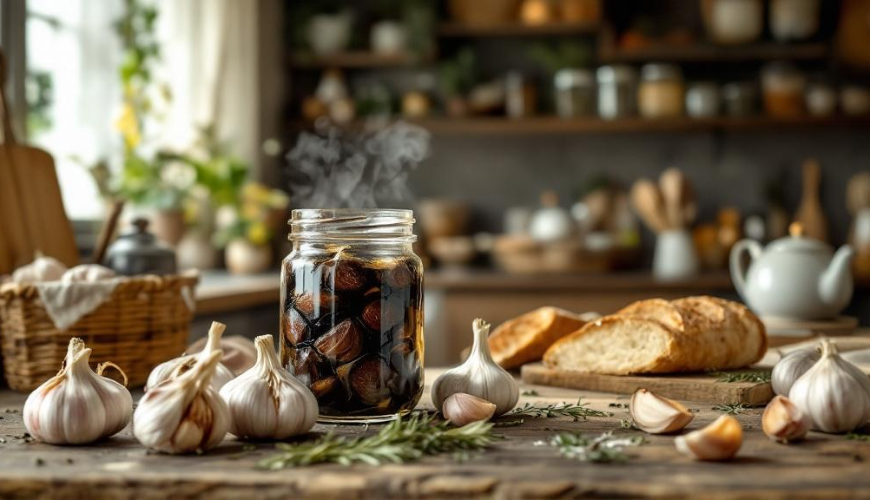
Imagine opening a jar and instead of the expected sharp garlic aroma, you smell something reminiscent of balsamic vinegar mixed with dark chocolate and dried plums. That is exactly the experience offered by black garlic – an ingredient that has gained enormous popularity in recent years, not only among chefs at Michelin-starred restaurants but also among people seeking a path to healthier eating. But what actually lies behind this mysterious name? Is it a special variety, or is it something entirely different?
Black garlic is not some exotic variety or genetically modified crop. It is completely ordinary white garlic that has undergone a controlled process of long-term fermentation under specific temperature and humidity conditions. Over the course of several weeks, the cloves transform into soft, almost gel-like pieces of deep black color with a flavor you would never expect from the original garlic. This process has its roots in Asian cuisine, particularly in Korea and Japan, where black garlic has been used for centuries both in culinary arts and traditional medicine. It only reached Europe and America at the beginning of the 21st century, but its rise has been meteoric – today you can find it in gourmet shops, at farmers' markets, and in online stores focused on healthy nutrition.
Try our natural products



How black garlic is made and what happens inside the cloves
The process of making black garlic is fascinating precisely because of its simplicity and precision at the same time. Whole heads of white garlic are placed in an environment with controlled temperature, usually between 60 and 80 °C, and humidity around 70 to 90 percent. Under these conditions, the garlic remains for three to six weeks, during which the so-called Maillard reaction takes place – the same chemical process that gives bread crust its golden-brown color or lends grilled meat its characteristic flavor and aroma. Unlike ordinary cooking or baking, however, this reaction occurs extremely slowly and at a relatively low temperature, allowing hundreds of new aromatic compounds to form.
During fermentation, the chemical composition of garlic changes significantly. Natural sugars caramelize, amino acids are transformed, and melanoidins are produced – dark pigments responsible for the characteristic black color. At the same time, allicin breaks down – the compound that gives raw garlic its typical pungency and sharp smell. This is precisely why black garlic is so surprisingly mild – it has virtually no heat, and after eating it, you won't be troubled by the unpleasant breath so notoriously associated with regular garlic.
Interestingly, you can prepare black garlic at home, although it requires patience and suitable equipment. Some enthusiasts use a rice cooker or a special fermentation box in which they maintain a constant temperature throughout the entire process. However, the results may not always be consistent, which is why many people prefer to reach for a finished product from trusted producers who have the process perfectly mastered. If you're curious about how to recognize quality black garlic, the key is its texture – it should be soft and spreadable, not hard or dried out, and its flavor should be complex, sweet, and slightly acidic at the same time.
The entire fermentation process may at first glance seem like mere "heating of garlic," but in reality it is a sophisticated transformation during which dozens of chemical compounds change. As noted in a study published in the Journal of Food Science and Technology, fermentation leads to a significant increase in the content of antioxidants, polyphenols, and other bioactive substances compared to raw garlic.
To get a better idea of how it works in practice: a small family farm in South Korea that specializes in black garlic production processes several tons of fresh garlic annually. Whole heads are stacked into large ceramic vessels and placed in fermentation chambers where temperature and humidity are monitored by digital sensors twenty-four hours a day. After four to five weeks, the garlic is removed, left to mature for several days at room temperature, and only then is it packaged for sale. This example shows that even a seemingly simple product requires care and know-how that has been built up over generations.
The impact of black garlic on health and its place in modern cuisine
When "garlic and health" comes up, most people think of classic white garlic as a natural antibiotic. Black garlic, however, raises the bar even higher in this regard. Research shows that the fermentation process not only preserves but in many cases multiplies the health benefits of the original garlic. The content of antioxidants, particularly a compound called S-allylcysteine, is significantly higher in black garlic than in its white counterpart. This substance is also more easily absorbed by the human body and is considered one of the key components responsible for the health benefits of garlic in general.
A number of scientific studies suggest that regular consumption of black garlic may contribute to lowering cholesterol levels, supporting the cardiovascular system, and strengthening immunity. For example, a review study in the PubMed database summarizes evidence that black garlic exhibits anti-inflammatory, antioxidant, and cardioprotective properties. It is important to emphasize, however, that black garlic is not a medicine – it is a food that can be a valuable addition to a balanced diet, not a substitute for medical care.
Another frequently mentioned benefit is support for digestive tract health. Fermentation produces prebiotic compounds that can positively influence the gut microbiome. At a time when the connection between gut health and overall well-being is increasingly discussed, this is an argument that resonates with many people seeking natural ways to improve their health. Moreover, thanks to the absence of allicin, black garlic is gentler on the stomach, meaning it can also be consumed by people who tolerate regular garlic poorly.
And what about the taste? This is where the most exciting adventure begins. Black garlic has a complex, multi-layered flavor that is hard to describe in a single word. Most people, upon their first tasting, speak of a combination of the sweetness of dried plums, the acidity of balsamic vinegar, the umami tones of soy sauce, and a subtle hint of chocolate. As the renowned British chef Heston Blumenthal once said: "Black garlic is one of those ingredients that opens up an entirely new dimension of flavors."
It is precisely this flavor complexity that makes black garlic an incredibly versatile ingredient in the kitchen. You can simply spread it on toast with a drizzle of quality olive oil and sea salt – and you have an elegant appetizer that will impress even the most discerning guests. It pairs wonderfully with meat sauces, where it adds depth and sweetness without the need to add sugar. Pasta with black garlic, Parmesan, and a pinch of chili flakes is a minimalist recipe that tastes like it came from a restaurant. But black garlic also works surprisingly well in the world of sweets – some pastry chefs add it to chocolate truffles or caramel desserts, where its sweet-and-sour tones create an unexpected harmony.
For those who want to start experimenting with black garlic, here are several tried-and-tested combinations:
- Hummus with black garlic – simply add two to three mashed cloves to a classic hummus recipe and the result is creamier and richer in flavor.
- Meat marinades – black garlic mixed with olive oil, soy sauce, and honey creates a fantastic marinade for chicken or pork.
- Salad dressing – mashed black garlic with lemon juice, olive oil, and a pinch of salt makes a simple yet exceptional dressing.
- Bread spread – black garlic on its own, spread on fresh sourdough bread, is a delicacy that even the youngest gourmets will appreciate.
You don't need to use large amounts, either – two to three cloves per day are considered the optimal dose from both a flavor and health perspective. Black garlic is quite concentrated, so even a small amount can significantly enrich a dish.
If you're wondering where to get black garlic, there's no longer any need to travel to specialized Asian shops. Quality black garlic is available at farmers' markets, health-focused online stores, and even some regular supermarkets. When choosing, it's worth giving preference to products that contain only garlic without added preservatives or additives – quality black garlic needs nothing more than time and the right conditions. Also pay attention to the country of origin and the production method – garlic fermented from local sources tends to be fresher and tastier than products that have traveled a long way from the other side of the world.
In closing, it is worth mentioning that black garlic is a beautiful example of how a simple transformation of an ordinary food can create something truly exceptional. It is not a passing fad or a marketing gimmick – it is a technique thousands of years old that, thanks to modern science and gastronomy, is gaining the well-deserved attention it merits. Whether you are drawn to its unique flavor, its health benefits, or simply the curiosity to try something new, black garlic is definitely worth giving a chance. You might be surprised how quickly a one-time experiment becomes an indispensable part of your kitchen.