
Natural Cosmetics: How to Choose Correctly Without Falling for Marketing Tricks
Natural cosmetics are no longer solely the domain of bio enthusiasts or people with extremely sensitive skin. They have become a common fixture in bathrooms because they promise something that sounds suspiciously simple amidst the hustle and bustle of everyday life: less unnecessary chemicals, more clarity, and gentler care. However, once a person stands in front of a shelf (or opens an e-shop), they quickly realize that "natural" can mean many things. And that between products that look similar, there can be a vast difference in composition, quality, and fairness of production. So those asking how to recognize quality natural cosmetics are asking the right question.
Naturally, the next question arises: with so many brands using the term "natural," how to choose the right natural cosmetics without becoming a semi-professional chemist? The good news is, it is possible. It only requires a few clear guidelines, the ability to read labels, and a bit of healthy skepticism towards marketing that promises miracles within three days.
Try our natural products
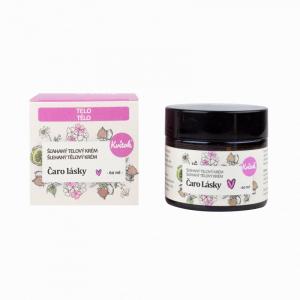
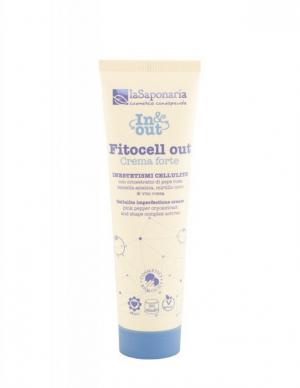
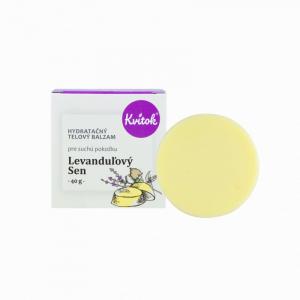
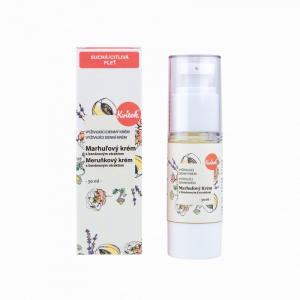
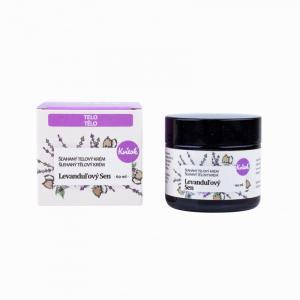
How to Recognize Quality Natural Cosmetics: When "Natural" Is Not Just on the Label
Let's start with the most important thing: the term "natural" is not legally defined as strictly everywhere as one might wish. For some products, "natural" might mean that they contain one plant extract while the rest is made up of common synthetics. This in itself does not automatically have to be bad, but if one is looking for quality natural cosmetic products, it is necessary to go deeper than just the front of the packaging.
In practice, a simple check often helps: INCI list (composition) is usually more honest than any slogan. Quality natural cosmetics typically have compositions based on plant oils, hydrolates, butters, waxes, clays, or mild surfactants (in cleansing products). This does not mean they have to be "single-ingredient" – good formulation is an art – but you typically won't find harsh degreasers, strong fragrances, or unnecessary colorants in them.
A lot also depends on how the brand communicates. A serious manufacturer usually does not hesitate to say where they source their raw materials, how they address preservation, who the product is intended for, and what its limitations are. If someone promises that one cream will solve acne, wrinkles, eczema, and pigmentation spots and also "detoxifies," caution is advised. In skincare, the quiet truth is more valid than a big show: the best results come from long-term, gentle, and consistent care, not cosmetic fireworks.
Certification also plays an important role. Not every great product has to have it (certification costs something, and small brands sometimes prefer to invest in raw materials), but for consumers, it is a good point of reference. Among the best known are COSMOS (COSMOS Organic/COSMOS Natural), Ecocert, or NaTrue. This is clearly described, for example, by COSMOS-standard AISBL, where it is also possible to find the basic principles of the standard. The certificate itself is not a magic wand, but it helps filter out products that only pretend to be "natural."
And then there's one more thing that is surprisingly practical: packaging and storage method. Quality natural cosmetics often work with more sensitive ingredients (for example, some plant oils oxidize), so it makes sense when they are in opaque bottles, airless packaging, or dark glass. When a "super natural" serum is in a clear bottle in direct light and even with a large pipette that is repeatedly dipped, it's fair to ask a rhetorical question: does the product really want to protect its active ingredients, or does it just want to look good in a photo?
Natural Cosmetics: How to Choose Correctly Based on Skin, Needs, and Everyday Reality
Choosing cosmetics is always somewhat personal, but there are principles that work across skin types. The first is that skin usually does not need twenty steps – it needs to be treated gently. And the second: what is "natural" is not automatically suitable for everyone. Even natural ingredients can be irritating, especially if they are strongly aromatic or used in high concentrations.
When it comes to natural cosmetics – how to choose correctly, it pays to start with the most common situations:
Dry and sensitive skin usually appreciates products with soothing ingredients and barrier restoration. Practically, this means plant oils (e.g., jojoba, almond, rosehip), butters (shea), ceramides (sometimes even in natural cosmetics), as well as oat extracts or panthenol, if the formulation is gentle. For sensitive skin, fragrance-free cosmetics or those with very mild, natural fragrances often make sense.
Oily and problematic skin, on the other hand, often does not need to "dry out as much as possible," but to calm and balance. Here is a typical mistake: someone reaches for aggressive cleansers, the skin reacts defensively, starts producing more sebum, and the cycle begins. Gentle cleansing, lighter hydration, and targeted active ingredients (even in natural cosmetics, some acids are used in mild forms) are often a better path than scrubbing and degreasing.
And what about normal skin? It can be the trickiest because it can tolerate almost anything – until something throws it off balance. Here, simplicity often wins: a quality cleansing product, hydration, and sun protection. It's good to remind that UV protection is crucial in skincare; with natural sunscreens, you most commonly encounter mineral filters. General information about UV protection is neatly summarized, for example, by the World Health Organization (WHO).
Everyday reality also plays a role in the selection. A common life example: in a family, someone often buys a "natural" shower gel with a strong citrus scent because it smells like freshly peeled oranges. But after a few days, a household member with sensitive skin starts complaining about tightness and itching. It's not because citrus is "bad," but because essential oils can be irritating to some – especially with daily use and on large body areas. The solution is simple: citrus can be great for hands and occasional aromatherapy experiences, but for daily showering, it's better to choose gentler, less perfumed options.
Choosing the right natural cosmetics is not a competition to see who has "the most herbs." It's more about finding a balance between effectiveness, tolerance, and what one will actually use regularly.
What to Watch Out For and Tips When Choosing Natural Cosmetics That Save Nerves and Money
When it comes to what to watch out for when shopping, it's not about scaremongering. It's about not being swayed by packaging, price, or an appealing story. Quality is recognized in the details – and some details are surprisingly easy to check.
The most common stumbling block is confusing "natural" with "safe for everyone". Natural ingredients are chemical substances just like synthetic ones – they just come from nature. And nature can also be intense. Typically, it's essential oils that are beautifully fragrant but can be problematic for allergy sufferers, children, or very sensitive skin. If a product relies heavily on fragrance (even natural), it's good to be cautious. A simple rule applies: the more reactive the skin, the less fragrance and the simpler the composition.
The second thing is preservation. Some people expect natural cosmetics to be "without preservatives," but that's often unrealistic – especially for creams, tonics, and anything containing water. Without reasonable preservation, a product can spoil, which is not only an aesthetic issue but also a hygiene one. Quality natural cosmetic products usually use approved, gentler preservative systems or smart packaging that reduces the risk of contamination. Here it makes sense to stick to the simple sentence that cosmetic chemists repeat over and over: "Product safety is part of quality." (And safety for aqueous products usually means some form of preservation.)
The third area is fairness of claims. If a package boasts "hypoallergenic," "dermatologically tested," or "clinically proven," it's good to check what that really means. It's not that it has to be automatically misleading, but often these are vague formulations without details. On the other hand, certification or a transparent description of the composition tends to be more specific.
And finally: price. Natural cosmetics can be more expensive because quality oils, extracts, and fair supply chains cost something. However, a higher price is not a guarantee. Sometimes you're paying more for marketing, design, and a "luxurious" story. That's why it's worth looking at whether the product offers real value: quality raw materials, sensible packaging, clear communication, and good reviews from people with similar needs.
To keep it practical, here are brief tips when choosing natural cosmetics that can be used almost always:
- Read the INCI composition and notice if meaningful basic ingredients (oils, hydrolates, mild surfactants) are at the beginning of the list and not just "fillers";
- prefer products with reliable certification (e.g., COSMOS, NaTrue) if you don't want to compare brands complexly;
- for sensitive skin, choose fragrance-free or lightly fragranced options and be cautious with essential oils;
- watch out for durability and packaging method (dark glass, airless, opaque packaging are often a plus);
- start slowly and don't change everything at once, as even a quality change can take a while for the skin to "settle."
Moreover, the approach "less, but better" proves effective in practice. Instead of ten average products, it's better to have two or three that are really well-tolerated. And if choosing cosmetics for a household where more people will use it, it's worth looking for universal, gentle options – typically a mild soap, cream without strong fragrance, or a balm that's suitable both in winter and after sports.
Quality natural cosmetics are also recognized by the fact that they don't promise the impossible and don't try to outshine the competition. Instead, they quietly do their job: clean without scrubbing, hydrate without a sticky film, and smell (or don't smell) in a way that makes them livable every day. And when one learns to distinguish between marketing and actual composition, the choice suddenly becomes simpler — natural cosmetics cease to be a jungle full of appealing words and become a normal, understandable part of care that makes sense for both the skin and conscience.