

# How to Properly Select and Prepare Sweet Potatoes to Retain the Most Vitamins and Nutrients
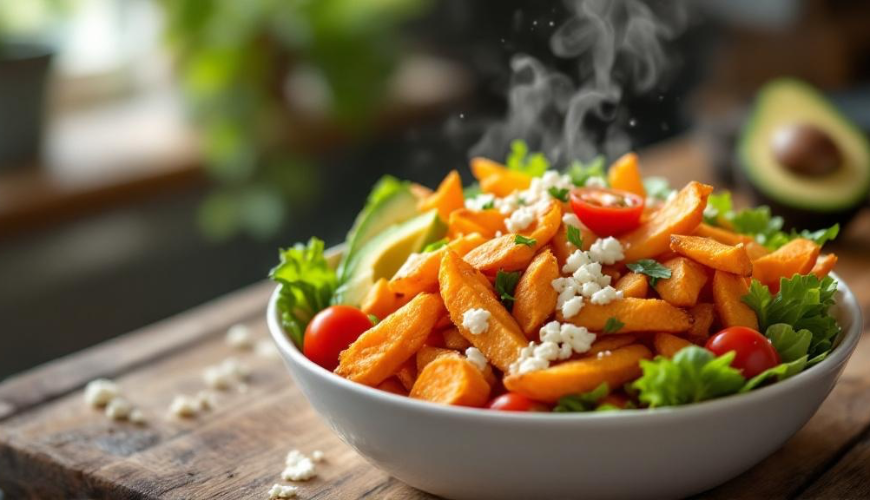
Sweet potatoes have earned a firm place in Czech kitchens in recent years, and quite deservedly so. This so-called sweet potato is by no means a novelty – it has been cultivated in the tropical regions of Central and South America for thousands of years and remains a staple food for hundreds of millions of people around the world to this day. But what caused the sweet potato to transform from an exotic curiosity into an ingredient that health enthusiasts, athletes, and parents of young children all reach for? The answer lies in its exceptional nutritional profile, outstanding versatility in the kitchen, and a flavor that appeals even to those who are otherwise skeptical about healthy eating.
Those unfamiliar with sweet potatoes might easily mistake them for ordinary potatoes. They look similar on the outside, but inside lies a completely different world. The sweet potato (Ipomoea batatas) botanically belongs to the morning glory family, while the common potato is a nightshade plant. The most striking difference is the flesh color – most commonly orange, but varieties with white, yellow, red, or even purple flesh also exist. The orange and purple varieties are the most interesting in terms of antioxidant content, and they are the ones most frequently discussed when it comes to healthy sweet potato dishes.
Try our natural products

What are sweet potatoes and what are their health benefits
The sweet potato is a tuberous vegetable with a naturally sweet flavor that originates from the area of present-day Peru and Ecuador. According to the USDA (United States Department of Agriculture) database, one hundred grams of cooked sweet potato contains approximately 86 calories, 20 grams of carbohydrates, 3 grams of fiber, and virtually no fat. That alone sounds similar to regular potatoes – but sweet potatoes have several significant advantages over them, which earn them the label "superfood," even though that word is somewhat overused these days.
The first advantage is beta-carotene. Orange sweet potatoes are one of the richest plant sources of this provitamin A in existence. A single medium-sized sweet potato can provide more than double the recommended daily intake of vitamin A, which is crucial for eye health, the immune system, and skin. The World Health Organization even promotes the cultivation of orange sweet potatoes in developing countries as an effective strategy against vitamin A deficiency, a problem that affects hundreds of millions of children worldwide.
The second major asset is their fiber content, both soluble and insoluble. Soluble fiber helps slow the absorption of sugars into the blood, which is why sweet potatoes, despite their sweet taste, have a lower glycemic index than regular potatoes – especially when boiled whole and consumed with the skin on. For people who monitor their blood sugar levels, this is essential information. Insoluble fiber, in turn, supports healthy digestion and acts as a prebiotic, meaning food for beneficial gut bacteria.
In addition to beta-carotene, sweet potatoes also contain vitamin C, manganese, potassium, and B vitamins, particularly B6. Potassium contributes to blood pressure regulation, manganese is involved in nutrient metabolism, and vitamin B6 plays a role in neurotransmitter production. Purple sweet potato varieties additionally contain anthocyanins – powerful antioxidants that, according to studies published in the journal Food Chemistry, may have anti-inflammatory effects and contribute to cardiovascular system protection.
As American nutrition expert and bestselling author Michael Greger noted: "Sweet potatoes are one of the healthiest foods on the planet – cheap, accessible, and incredibly nutritious." And it's hard to disagree with him when you look at the ratio of cost, taste, and nutritional benefit.
However, it's important to mention that sweet potatoes are not a miracle cure for everything. They are excellent foods as part of a varied diet, but on their own they won't cure anyone. Nevertheless, their regular consumption can contribute to better intake of important micronutrients, and in a way that is far more acceptable to most people than swallowing dietary supplements.
An interesting comparison can also be made between sweet potatoes and other popular "superfoods." While quinoa, chia seeds, or acai berries tend to be relatively expensive and not always easily available, sweet potatoes can now be readily purchased at any larger supermarket for a reasonable price. And it is precisely this combination of accessibility and nutritional value that makes them an ideal part of an everyday diet – whether for individuals, couples, or entire families with children.
How to properly select, store, and prepare sweet potatoes
When buying sweet potatoes, it pays to choose firm tubers without visible spots, cracks, or soft areas. The skin should be smooth and evenly colored. Smaller and medium-sized sweet potatoes tend to be sweeter and have a finer texture than oversized ones, which can be more fibrous inside.
Storing sweet potatoes differs from storing regular potatoes. While potatoes belong in a dark, cool place, sweet potatoes prefer a temperature of around 12–15 °C and should definitely not go in the refrigerator – cold alters their texture and flavor for the worse. Under ideal conditions, sweet potatoes can stay fresh for several weeks. If you store them at normal room temperature, try to use them within a week.
When it comes to preparation, sweet potatoes offer incredible flexibility. They can be baked, boiled, grilled, fried, braised, mashed into purée in just a few minutes, and can even be eaten raw, although that's not the most common method. The key thing to know is that the preparation method affects the glycemic index – baked sweet potatoes have a higher GI than boiled ones, because baking causes more intensive breakdown of starches into simple sugars. For those who want to keep the glycemic index as low as possible, boiling them whole (ideally with the skin on) is the best choice.
Sweet potato skin doesn't need to be peeled if you wash it thoroughly. It contains extra fiber and a range of nutrients that are needlessly lost when peeling. Simply rinse the sweet potato under running water, optionally scrub gently with a brush, and it's ready for further preparation.
A practical tip for parents: sweet potato purée is one of the most popular first complementary foods for infants. Thanks to its naturally sweet taste, most children accept it without any problems, and at the same time it is rich in beta-carotene, which is important for young children's development. Simply boil the sweet potato until soft, blend it, and optionally thin it with a little water or breast milk.
Consider Martina from Brno, a mother of two, who decided to reduce industrially processed foods in her family's diet. She started experimenting with sweet potatoes and discovered that her children, who otherwise refuse most vegetables, absolutely fell in love with oven-baked sweet potato fries. She gradually added sweet potatoes to soups, baked dishes, and even morning porridge. "I didn't expect that one ingredient could change our eating habits like this," she described her experience. And it's stories like these that show that transitioning to healthier food doesn't have to be painful – you just need to find the right food that the whole family enjoys.
When discussing how to use and prepare sweet potatoes, one thing cannot be overlooked: sweet potatoes work beautifully in sweet baking as well. Thanks to their natural sugar content, they can reduce the need for added sugar in recipes for muffins, cakes, or even brownies. Sweet potato purée added to batter ensures moistness, gentle sweetness, and added nutritional value – an approach appreciated not only by health enthusiasts but also by bakers looking for alternatives to traditional recipes.
Sweet potatoes are also an excellent fit for Asian cuisine. In Japan, baked sweet potatoes are a popular street food, in Korea they are used to make noodles (known as japchae), and in India they are added to spiced dishes. This versatility means that with sweet potatoes in the kitchen, boredom is definitely not a risk.
For those looking for specific inspiration on how to cook healthy meals with sweet potatoes, here are a few tried-and-tested ideas:
- Oven-baked sweet potato fries – cut into fries, lightly coated with olive oil, salted, and baked at 200 °C for about 25 minutes until crispy
- Sweet potato soup with coconut milk and ginger – creamy, warming, and full of flavor, ideal for cold days
- Stuffed baked sweet potatoes – a whole baked sweet potato filled with black beans, avocado, and salsa
- Sweet potato mash with butter and cinnamon – a simple side dish that replaces classic mashed potatoes
- Sweet potato brownies – a surprisingly delicious dessert where sweet potato purée replaces some of the fat and sugar
Each of these recipes is relatively simple and requires no special culinary skills. That's what's great about sweet potatoes – they are foods that forgive mistakes. Even if you slightly overbake or overcook them, the result will still be tasty.
It's worth mentioning that sweet potatoes are also an interesting choice for athletes. As a source of complex carbohydrates, they provide gradually released energy, which is ideal before or after a workout. Many fitness experts recommend sweet potatoes as an alternative to white rice or pasta, not only because of their better nutritional profile but also because of their higher potassium content, which helps prevent muscle cramps.
If you're interested in the ecological dimension of eating, sweet potatoes score well here too. Their cultivation is relatively undemanding in terms of water compared to many other crops, and under favorable conditions they provide high yields on a relatively small area. In the Czech Republic, some farmers are venturing into experimental sweet potato cultivation, although our climate isn't entirely ideal. Most sweet potatoes on the Czech market come from Spain, Egypt, or the USA, but with ongoing climate change, we may yet see greater domestic production.
Finally, one thing is worth touching on – and that is the question of whether sweet potatoes are truly so significantly better than regular potatoes. The answer is not black and white. Potatoes have their own advantages; they are an excellent source of vitamin C and potassium and hold an irreplaceable place in Czech cuisine. But sweet potatoes bring something extra – beta-carotene, higher fiber content, and a lower glycemic index – and therefore it makes sense to alternate and combine both foods. It's not about rejecting potatoes, but about expanding your diet with another excellent ingredient.
Sweet potatoes are simply a food that combines taste, health, and ease of preparation in a way you rarely encounter in the kitchen. Whether you bake them, cook them into soup, or turn them into dessert, your body will thank you – and your taste buds will too.