

# How to Wash Stuffed Animals and Soft Toys Without Damage Stuffed animals and soft toys collect du
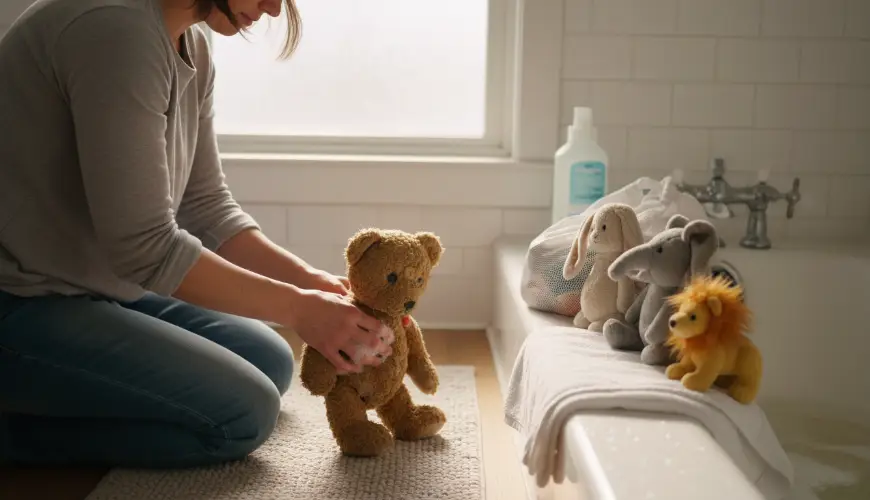
Every parent knows it well – a favourite teddy bear that has survived hundreds of hugs, nightly adventures and several juice catastrophes ends up looking more like a battle-hardened veteran than a cuddly toy from the nursery. And yet the child refuses to give it up. Washing stuffed toys is therefore an everyday reality in millions of households, but few people know how to do it properly – in a way that allows the toy to survive the wash cycle in all its fluffy glory.
Stuffed animals and soft toys are not like ordinary laundry. They contain various materials, fillings, decorations and electronics, each of which reacts differently to water and heat. A poorly chosen approach can mean a misshapen toy, faded colours or – in the worst case – a crying child mourning what remains of their best friend.
Try our natural products

Before you start washing – read the label
The first step that many people skip is checking the label. Manufacturers of stuffed toys are required to provide care instructions, and those small symbols on the label can save a great deal of trouble. The pictogram of a tub with water indicates the temperature at which the toy can be washed, while a crossed-out symbol means a clear prohibition on machine washing. If the label is missing or illegible, it is safer to take a more conservative approach – hand washing in cool water.
Before you even get the toy wet, it is worth examining it carefully. Does it contain batteries or electronic components? If so, these must be removed before washing, or the toy should be washed exclusively by hand, avoiding the areas where they are located. The same applies to toys with metal decorations, beads, glued-on embellishments or delicate embroidered details – these are particularly vulnerable during machine washing. It is also worth checking whether any seams are loose or whether the toy has any holes through which the filling could escape. Such damage is better repaired before washing; otherwise a small hole can become a big problem.
Older or collectible stuffed toys deserve special attention. These are often made from older types of fabric that may be sensitive to modern detergents or water temperature. If the item is a rare piece or a toy with sentimental value, consulting a textile cleaning specialist may be the safest option.
Machine washing: yes or no?
Most modern stuffed toys can withstand machine washing, but even so, a few rules must be observed. The basic rule is to use a gentle wash cycle – that is, a programme designed for delicate fabrics or wool. The temperature should not exceed 30 °C, ideally 20–30 °C, to prevent the material from shrinking or the filling from becoming misshapen. Higher temperatures are only appropriate if the label explicitly permits them, or in cases where thorough disinfection is necessary – for example, after a child has been ill.
Experts recommend placing the toy in a mesh laundry bag or a zipped pillowcase. This simple trick protects the toy from excessive friction against the drum, prevents tangling and also protects delicate details such as eyes, noses and sewn-on decorations. If you are washing several toys at once, it is a good idea to add a few towels to the drum as well – they cushion the impact and protect the texture of the plush.
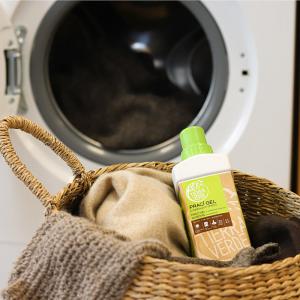
When it comes to detergents, less is more. A mild liquid detergent without optical brighteners is the best choice – brighteners can cause colour changes, particularly in dark or brightly coloured toys. Fabric softener is generally not recommended, as it can leave residue in the dense fibres of the plush and cause skin irritation in sensitive children. If you want to soften the toy, you can use a small amount of a naturally gentle fabric softener after washing, or simply brush the toy gently once it has dried.
The spin speed should be as low as possible – ideally 400–600 rpm. A high spin speed can compress the filling inside the toy unevenly, resulting in a lumpy stuffed animal that looks as though it has come from another dimension.
Hand washing as the gentlest alternative
For toys that cannot be machine washed, or for those whose durability you are unsure about, hand washing is the safest option. Simply fill a sink or bath with lukewarm water, add a small amount of mild detergent and gently soak and squeeze the toy in the solution. Never rub or wring it – this could damage the fibres or cause the filling to distribute unevenly.
After washing, it is important to rinse the toy thoroughly. Detergent residue in the dense material can cause irritation or allergic reactions. Rinse until the water runs clear and foam-free. Then gently squeeze – not wring – the toy to remove excess water.
There is also a method known as dry cleaning, which is ideal for toys that must not come into contact with water at all. Add a little bicarbonate of soda or cornstarch to a plastic bag, place the toy inside, seal the bag and shake it gently. The soda absorbs odours and grease. After a few minutes, remove the toy and brush off the powder with a soft brush or a vacuum cleaner set to minimum suction. This method obviously does not replace a thorough wash, but as a quick refresh it works surprisingly well.
Imagine, for example, the situation where little Anna discovers at bedtime that her favourite rabbit smells of the vomit from an afternoon bout of sickness – and she has to go to nursery in the morning. Hand washing combined with quick drying using a hairdryer on cool air can be a lifesaver in such cases, allowing the rabbit to survive the night and report for duty in full form the next morning.
Drying is just as important as washing
Drying is a stage that tends to be underestimated, even though it determines whether the toy will look the same after washing as it did before, or like a compressed, sorry version of its former self. A tumble dryer should only be used if the label explicitly permits it – and even then, it is better to choose the lowest possible temperature or a delicate programme.
The most natural and gentle drying method is air drying. The toy can be placed on a dry towel or hung on a line so that air can circulate from all sides. Direct sunlight can help with disinfection, but prolonged exposure may cause colours to fade – so it is better to dry in the shade or in a well-ventilated room.
While drying, it is a good idea to reposition and gently shake the toy several times so that the filling distributes evenly and no lumps form. Larger stuffed animals may take a full day or longer to dry – you should never store the toy or give it back to the child until it is completely dry. A damp environment inside the toy is an ideal breeding ground for mould and bacteria, which is the exact opposite of what you are trying to achieve.
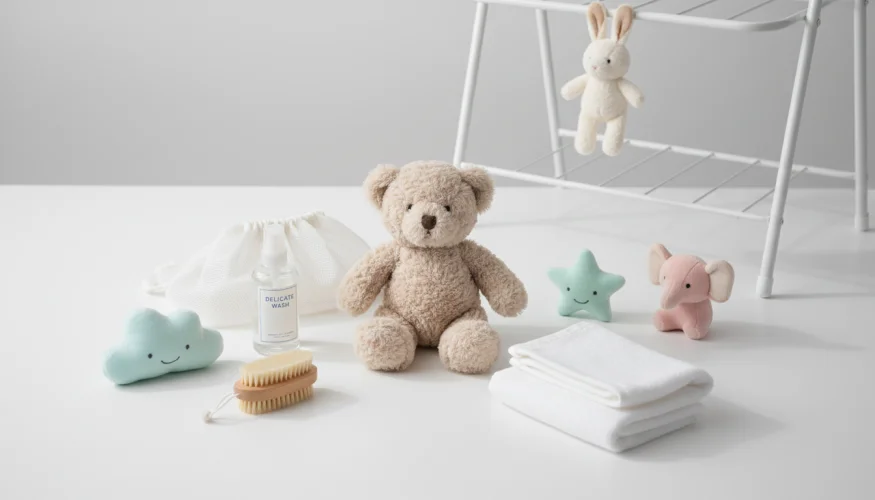
Once the toy is dry, its surface may look slightly matted or dull. In that case, gently brushing the plush with a soft brush – or even a specialist stuffed toy brush – will help. Always move the brush in the direction of the fibres, and the toy will soon regain its original fluffy appearance.
How often to wash stuffed toys and what not to forget
The frequency of washing depends on how intensively the child uses the toy. Toys that a child sleeps with every night should be washed approximately once every two to four weeks. Toys that serve more as decorations or are played with less frequently need only be washed once every few months. The World Health Organization and paediatric associations warn that stuffed toys can be a source of house dust mites, which are one of the most common causes of allergies in children – regular washing at the correct temperature significantly reduces their numbers.
A useful tip for allergy sufferers or parents of allergic children: if washing at a higher temperature is not possible due to the toy's material, it can be placed in a plastic bag and put in the freezer for 24–48 hours. Frost effectively kills dust mites, although it does not reduce the levels of allergens they leave behind – washing is still required for that. This method is also described by the British organisation Allergy UK, which has long been dedicated to raising awareness about allergies.
Caring for stuffed toys is not just a matter of hygiene, but also of safety. As the child psychologist Bruno Bettelheim once said: "Toys are a window into the world for a child." And if that window is to remain clean and safe, it is worth paying it a little extra attention. A properly washed and cared-for stuffed animal lasts longer, looks better and, most importantly – does not pose an unnecessary health risk to the child who loves it.
In the end, a simple principle applies: the more attention you pay to preparation and choosing the right approach before washing, the fewer surprises you will encounter afterwards. A stuffed teddy bear that has survived hundreds of hugs deserves a little care – and with a little patience, it can survive a wash cycle in full glory too.