
# Find Out Why Blood Vessels in Your Eyes Are Bursting ## What Is a Burst Blood Vessel in the Eye?
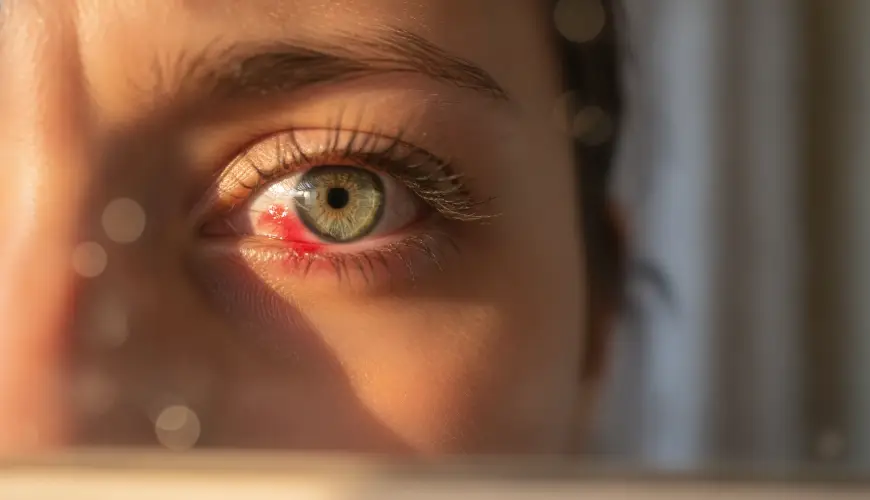
Red Spot in the White of the Eye – A Look in the Mirror That Can Be Quite Alarming
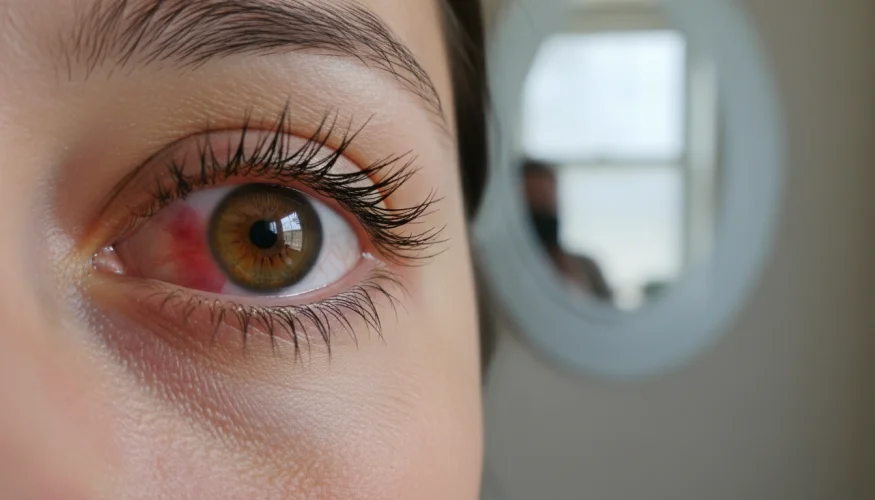
It happens to almost everyone: you get up in the morning, look in the bathroom mirror, and suddenly, instead of a clean white eye, there's a striking red blotch staring back at you. No pain, no tears, no warning. Yet the sight is unsettling. What actually happened? And should you be worried?
The answer is reassuring in most cases, but this phenomenon is still worth paying attention to – because even seemingly harmless burst blood vessels in the eyes can be a signal from your body that something isn't quite right.
Try our natural products
What Happens Inside the Eye When a Blood Vessel Bursts
The eye is supplied by a network of tiny blood vessels that are extremely thin and fragile. The white part of the eye, medically known as the sclera, is covered by a transparent membrane called the conjunctiva, beneath which these vessels are located. When one of them bursts, blood spreads into the space beneath the conjunctiva and creates the characteristic red spot. The medical term for this condition is subconjunctival hemorrhage – and although it looks dramatic, it is in most cases a completely harmless phenomenon.
The blood cannot get into the eye or affect vision in any way. It gradually absorbs on its own, usually within one to three weeks, leaving behind a clear eye. The process is similar to how a bruise on the skin heals – the colour gradually changes, fades, and eventually disappears. This is also why doctors in most cases do not recommend any treatment.
But the question remains: why does this actually happen? And why does it recur in some people?
The Most Common Causes of Burst Blood Vessels in the Eyes
There can be a whole range of causes, and many of them are surprisingly mundane. The most common culprit is sudden physical exertion – coughing, sneezing, vomiting, or even intense laughter. During these activities, there is a sudden increase in pressure in the head and neck, which can overload the tiny vessels in the eye to the point of rupture. Similarly, intense strain during sport, lifting heavy objects, or even a bout of crying can have the same effect.
Another very common reason is high blood pressure. Hypertension, as this condition is medically known, means that blood vessels are subjected to higher pressure than they can withstand over the long term. Burst blood vessels in the eyes can be one of the first visible signs that blood pressure is not within normal range – and that is a signal that should definitely not be ignored. According to the World Health Organisation, approximately 1.28 billion adults worldwide suffer from hypertension, and a large proportion of them are unaware of their condition.
Fatigue and lack of sleep also play a role. Overtired eyes are more susceptible to minor injuries. If you spend long hours in front of screens – a computer, phone, or television – the eyes blink less frequently, dry out, and the blood vessels are under greater pressure. Modern lifestyles are thus contributing to this problem becoming increasingly common.
A third major factor is medications and substances that affect blood clotting. Aspirin, ibuprofen, warfarin, or even regular alcohol consumption cause blood to clot less effectively, making blood vessels more prone to rupture. Dietary supplements such as fish oil or ginkgo biloba can have a similar effect. If you regularly take any of these substances and experience recurring burst vessels, it is worth discussing this with a doctor.
We must not forget physical trauma – even seemingly harmless eye rubbing, wearing contact lenses, or a knock to the eye can cause a vessel to rupture. Allergic reactions, dry eyes, or conjunctivitis are other possible triggers. Interestingly, rupture can also occur during intense emotional strain or stress, when the body responds physically to psychological overload.
Consider a situation familiar to many people: after a demanding working week, full of meetings, deadlines, and insufficient sleep, you look in the mirror on Friday morning and discover you have a red eye. No pain, but the sight is concerning. In this case, it is very likely that a combination of fatigue, stress, and perhaps a couple of glasses of wine to unwind at the end of the week contributed to the vessel rupture. The body simply took its toll.
When a Burst Blood Vessel Is a Warning Sign
Although subconjunctival haemorrhage is usually harmless, there are situations where you should seek medical attention without unnecessary delay. If the red spot does not absorb within three weeks, if it recurs without an obvious cause, or if it is accompanied by pain, changes in vision, sensitivity to light, or discharge from the eye, this warrants a visit to an ophthalmologist.
Recurring burst blood vessels can be a symptom of a more serious condition – such as blood clotting disorders, diabetes, liver disease, or untreated hypertension. As an old medical saying goes: "The eye is a window to the body." And indeed – an experienced doctor can reveal much about a patient's overall health by looking into the eye.
Particular attention should be paid by people who notice that ruptures occur after relatively ordinary activities, such as a mild sneeze or light exercise. This may indicate that the vessel walls are more fragile than they should be, and that a general examination is warranted.
How to Protect and Strengthen Blood Vessels in the Eyes
Prevention is in this case far more pleasant than dealing with the problem after the fact. The key is overall care for the blood vessels and the health of the circulatory system, which naturally also affects the state of the tiniest capillaries in the eye.
Adequate hydration plays a crucial role. A dehydrated body has thicker blood, which places greater demands on vessel walls. The recommended fluid intake is approximately 2 litres per day, with plain water always being the best choice. Herbal teas or water with lemon are pleasant alternatives for those who struggle to drink plain water in such quantities.
A diet rich in vitamin C and bioflavonoids helps to strengthen vessel walls and increase their elasticity. Citrus fruit, peppers, strawberries, broccoli, and rosehips are excellent sources. Bioflavonoids, which occur naturally in fruit and vegetables, support the absorption of vitamin C and have a synergistic effect on vessel strength. If your diet does not provide sufficient quantities of these nutrients, quality natural dietary supplements may help.
Vitamin E and omega-3 fatty acids are further allies of healthy blood vessels. Omega-3 fatty acids, found for example in flaxseed, walnuts, or oily fish, help to maintain the elasticity of vessel walls and reduce inflammatory processes in the body. Research published in the scientific journal Nutrients has repeatedly confirmed the positive effects of omega-3 fatty acids on cardiovascular health, and therefore on vascular health in general.
Adequate rest and quality sleep are equally important. The eyes regenerate primarily at night, when they are closed and not exposed to external influences. An adult should sleep 7 to 9 hours per day – and this recommendation applies particularly to those who spend a large part of the day in front of screens. Regular breaks when working at a computer, during which you focus on a distant point and allow the eyes to rest, can significantly reduce their strain.
If you wear contact lenses, ensure you follow correct usage and hygiene practices. Over-wearing lenses or sleeping in them are among the most common causes of eye irritation and injury. Modern daily lenses are more comfortable and hygienic, but even they are no guarantee against problems if basic rules are not observed.
Alcohol and smoking are factors that are demonstrably harmful to blood vessels. Nicotine causes narrowing of the vessels and impairs blood circulation, while alcohol disrupts blood clotting and dehydrates the body. Reducing or completely eliminating these habits will have a relatively rapid effect on vascular health – and the eyes are one of the first places where changes become visible.
Monitoring blood pressure is no less important. If you are among those who experience recurring burst vessels, regular blood pressure measurement at home or with a doctor should be a matter of course. Home blood pressure monitors are now widely available and affordable, and can detect a problem early that might otherwise remain hidden.
Eye health is closely linked to the health of the entire body – and it is precisely this connection that is both fascinating and slightly unsettling. A small red spot in the eye may be nothing more than the result of a forceful sneeze, but it may also be a gentle warning worth taking seriously. Paying attention to the signals of your own body, adjusting your lifestyle, taking care of your nutrition and regular rest – these are steps that pay off not only for eye health, but for overall wellbeing. And if the red spot does not disappear or keeps returning, it is always better to visit a doctor once too often than once too few.