
# Eco-Friendly Bathroom Step by Step
When people hear "eco-friendly household," most imagine recycling waste or using cloth shopping bags. Few, however, start thinking about the room where they consume the most single-use products and plastic packaging every day – the bathroom. Yet this is exactly where a quiet revolution is taking place, one that can have a surprisingly large impact on the environment. An eco-friendly bathroom step by step, from toothbrush to shower gel, is neither a utopia nor something reserved for a handful of enthusiasts. It's a practical path anyone can take, and this article will show you how.
The average Czech household produces dozens of kilograms of waste per year from bathroom products alone. Plastic toothpaste tubes, disposable razors, cream containers, shampoo and shower gel bottles – most of this ends up in mixed waste because recycling these packages tends to be complicated. According to data from Zero Waste Europe, cosmetic and hygiene packaging makes up a significant portion of plastic waste in Europe, with a large share never being recycled. And that's not even mentioning the microplastics and chemicals from conventional products that flow into the sewage system and ultimately into waterways.
So why not start right here? The bathroom is an ideal place for first steps toward a more sustainable life because changes here are simple, immediately visible, and surprisingly pleasant. There's no need to change everything at once. It's enough to proceed step by step and swap out individual products as they run out. This gentle approach is the key to making the change last.
Try our natural products
From toothbrush to toothpaste: small things with a big impact
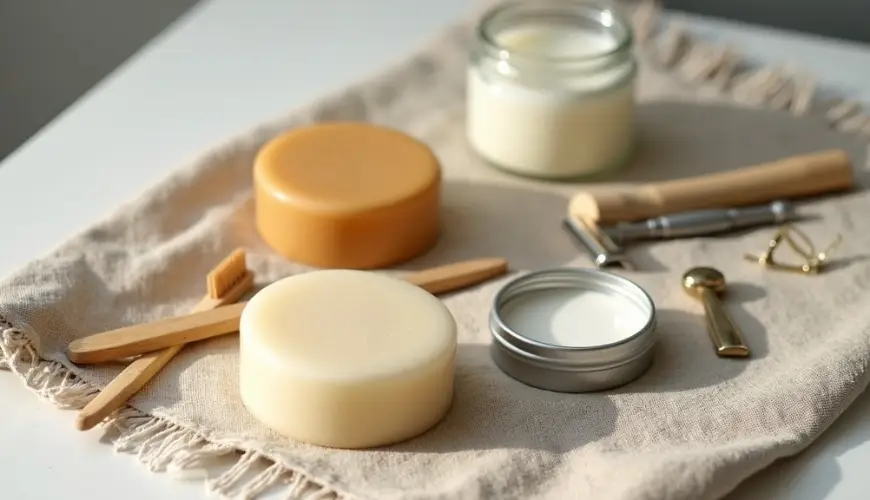
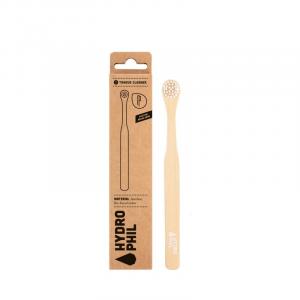
Let's start with the most basic – oral hygiene. The plastic toothbrush is a symbol of disposable culture. Dentists recommend changing your toothbrush every three months, which means four toothbrushes per person per year. Scaled to the entire population, that amounts to billions of pieces of plastic that take hundreds of years to decompose. A bamboo toothbrush works exactly the same way, with the only difference being that its handle is compostable. Bamboo grows extremely fast, requires no pesticides, and its processing has a significantly lower carbon footprint than plastic production. When choosing one, it's worth checking whether the brush also has bristles made from natural material – some versions have a bamboo handle but still use nylon bristles, which isn't ideal, but it's still a huge step in the right direction.
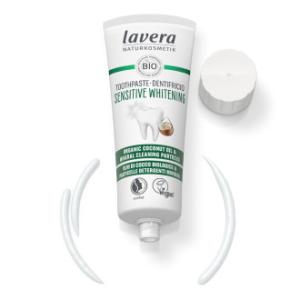
The same logic applies to toothpaste. Classic plastic tubes are among the hardest-to-recycle packages of all because they're made from a combination of different materials. Alternatives include toothpaste tablets or powder that come in glass jars or compostable pouches. At first, it may feel unusual – you chew a tablet, moisten the brush, and clean your teeth with the foam that forms in your mouth. After a few days, though, most people get used to it, and many say they never went back to tubes.
And what about dental floss? An eco-friendly version exists too – made from natural silk or corn fiber, often coated with natural wax and packaged in a small metal or glass container that can be refilled. These are seemingly minor details, but it's precisely from details that the overall picture is composed. As the famous British primatologist Jane Goodall once said: "What you do makes a difference, and you have to decide what kind of difference you want to make."
From oral hygiene, it's a natural step to body care. Bar soap has been experiencing a renaissance in recent years, and it's no wonder. One quality bar of soap lasts as long as two to three bottles of liquid soap, requires no plastic packaging, and its production is less energy-intensive. Moreover, quality natural soaps – for example, Czech artisan soaps made using the cold process method – contain glycerin and natural oils that don't dry out the skin. Just get a nice soap dish made of stainless steel or ceramic, and the bathroom instantly looks completely different: cleaner, simpler, more aesthetic.
The same goes for shower gel, or rather its eco-friendly alternative. A solid shower soap or so-called "shower bar" works on the same principle as bar soap, only it's specially formulated for use on the entire body. There are versions with a gentle exfoliating effect, moisturizing versions with shea butter, or fresh citrus types for morning showers. Those who still prefer a liquid form can opt for shower gels in recyclable packaging or a refill system – some eco-friendly shops offer the option of bringing your own bottle and filling it up.
Shampoo is another item that deserves attention. Shampoo bars have become one of the most popular eco-friendly products of all. One small "puck" replaces two to three plastic bottles of liquid shampoo and even fits in carry-on luggage on a plane, which travelers appreciate. Switching to a shampoo bar does require a bit of patience, though – hair adjusts to the new product over approximately two to four weeks, during which it may feel heavier or greasier. This so-called transition effect is completely normal and is related to the hair shedding the silicone film from conventional shampoos. After the transition period, most users notice healthier, more voluminous, and shinier hair.
Let's take a specific example. Markéta from Brno decided to transform her bathroom two years ago. She started with a bamboo toothbrush because it seemed like the simplest change. Over the course of six months, she gradually switched her toothpaste to tablets, moved to bar soap and shampoo, and got a menstrual cup instead of disposable pads. "Looking back, I laugh about it because I was terribly afraid. I thought it would be a huge inconvenience, but the opposite is true. The bathroom is tidier now, I spend less, and I feel good about it," she described her experience for one of the Czech sustainability blogs. Markéta's story isn't exceptional – thousands of people in the Czech Republic and around the world have taken a similar path.
Shaving, skincare, and the little things people forget about
One of the most overlooked areas is shaving. Disposable plastic razors are an ecological nonsense – they're used a few times and end up in the bin. A classic metal safety razor, however, is an elegant, economical, and timeless solution. The initial cost is higher, but replacement blades cost literally a few crowns per piece, and the razor itself lasts a lifetime. Add a solid shaving soap in a tin and a brush with natural bristles – and the shaving ritual transforms into a pleasant experience instead of a quick routine with a disposable plastic razor.
Skincare also offers a range of eco-friendly alternatives. Face creams in glass jars, facial oils with minimalist formulations, reusable makeup remover pads made from organic cotton instead of disposable cotton pads – all of these are changes that save both nature and your wallet. By the way, cotton makeup remover pads just need to be tossed into a laundry bag after use and washed with regular laundry. One set lasts for years.
We mustn't forget about deodorant either. Conventional deodorants and antiperspirants come in plastic packaging and often contain aluminum salts and synthetic fragrances whose effects on health are debatable at best. Natural alternatives – whether in the form of a solid deodorant in a compostable tube, a cream in a tin, or a deodorant stick – use baking soda, starch, coconut oil, and essential oils instead. Not every natural deodorant suits everyone on the first try, so it's worth experimenting to find the right one.
And what about cotton swabs? Those with a plastic stem have been banned in the European Union since 2021, but even paper versions are essentially single-use. An alternative is a reusable ear spoon made of stainless steel or silicone, or bamboo cotton swabs for those who prefer the classic shape. The same goes for paper tissues – cloth handkerchiefs may seem like a return to the past, but in reality, they're hygienic, pleasant to the touch, and ready for use again after washing. It's a change that requires a bit of courage, but most people who try it never go back.
Menstrual hygiene is a chapter in itself. Disposable pads and tampons represent an enormous burden on the environment – it's estimated that one woman uses approximately 10,000 to 15,000 menstrual products over her lifetime. Menstrual cups, cloth pads, or period underwear are alternatives that dramatically reduce this waste. A menstrual cup made of medical-grade silicone lasts up to ten years and, according to a study published in The Lancet, is safe and effective.
When you look at all these changes together, it can seem like a long list. But the key point to remember is that nobody has to change everything at once. An eco-friendly bathroom is a process, not a one-time project. The best strategy is to swap products gradually – whenever something runs out, replace it with a more sustainable alternative. In a year or two, the bathroom will look completely different, without stress and without the feeling of giving something up.
There's one more aspect that's discussed less often but is worth mentioning: water quality and conservation. An eco-friendly bathroom isn't just about products but also about habits. Shorter showers, a water-saving showerhead, turning off the water while brushing your teeth – these are small things that add up to save thousands of liters of water per year. According to the World Health Organization, access to clean water is one of the key global issues, and careful water management at home is a contribution that truly everyone can make.
Finally, it's worth mentioning the aesthetic side of the whole transformation. A bathroom full of plastic bottles and colorful packaging looks chaotic. In contrast, a bathroom with a few solid products on a wooden shelf, a metal safety razor, a glass jar of cream, and cotton pads in a linen pouch has a special charm of simplicity. It's a space where you feel calmer, and that's no negligible bonus in a time when the bathroom is, for many, the only place of true privacy and relaxation.
An eco-friendly bathroom ultimately isn't about perfection or doing everything "right." It's about conscious decision-making, about asking yourself whether there's a better alternative to what you're about to throw in the bin. And almost always, there is. Just start with one bamboo toothbrush – the rest will follow on its own.