
# What to use instead of disposable household helpers
Every day, the average Czech household throws away dozens of single-use items. A paper napkin wiped after breakfast, a cotton swab used after a shower, a plastic bag from vegetables, a paper towel that served its purpose once and ended up in the bin. Seemingly small things that, when added together, create an enormous amount of waste. Yet there are a whole range of smart, durable and eco-friendly alternatives that can do exactly the same job – and often do it better.
The question therefore isn't just "why switch to reusable alternatives", but rather why we stuck with single-use ones for so long. The answer is simple: habit, convenience and the marketing power of an industry that spent decades convincing consumers that only what gets thrown away after use is hygienic and practical. The reality, however, is different. Sustainable alternatives are now accessible, reasonably priced, and using them quickly becomes second nature in practice.
Try our natural products
The kitchen: where most unnecessary waste is generated
The kitchen is perhaps the room in the house where single-use products accumulate the most. Paper towels, cling film, zip-lock bags, single-use coffee filters, plastic straws – the list is long. Yet every one of these items has its sustainable counterpart, which can last months or even years.
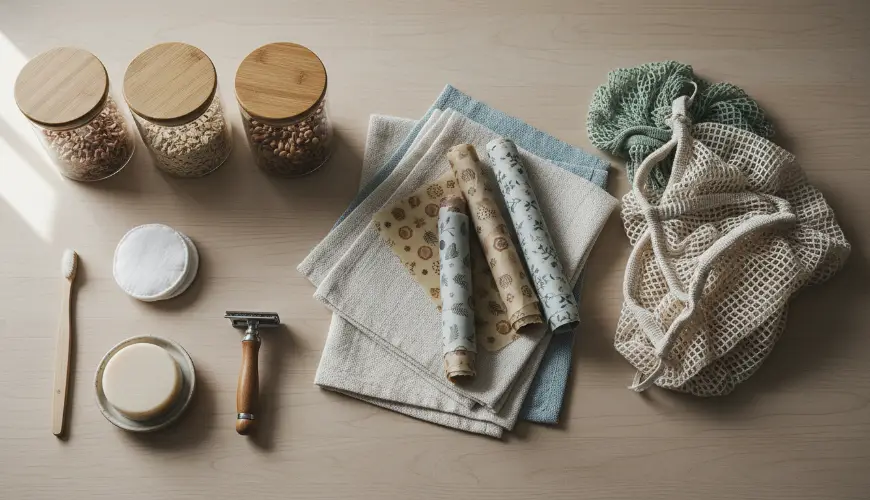
Let's start with paper towels. Their consumption in Europe is enormous – according to data from Zero Waste Europe, paper products are among the largest components of household waste. Yet replacing them is the simplest thing of all. Fabric cloths made from cotton or bamboo can wipe down a work surface, mop up spilled tea and dry hands just as well. You simply need to keep a supply at home, wash them with regular laundry, and they'll last for several years. Some people purchase so-called "unpaper towels" – rolled fabric squares that look almost identical to a classic roll of paper towels in the kitchen, but are washable and reusable.
Cling film is another unpleasant source of plastic. Kilometres of it are used in households every year, while recycling standard PVC film is practically impossible. An excellent alternative is beeswax wrap, which moulds to the shape of a container using the warmth of your hands, seals well and, with proper care, can last up to a year and a half. For larger containers, silicone lids of various sizes work well, or simply glass jars with lids – which are also ideal for storing food in general, as they don't absorb odours and are easy to clean.
Single-use bags are a major chapter in themselves. Plastic bags for vegetables from the shop, zip-lock bags for packed lunches, paper bags for baked goods. Fabric bags made from mesh or muslin are lightweight, washable and work exactly the same as their plastic counterparts in shops – checkout staff can weigh them without any issue. For packed lunches and food leftovers, silicone zip-lock bags work brilliantly – they're airtight, easy to clean and can withstand hundreds of uses.
Even coffee filters don't have to be single-use. Permanent filters made from stainless steel or cotton are now available for most types of drip coffee makers and French presses. The taste of the coffee doesn't suffer in any way – in fact, many coffee lovers argue that a stainless steel filter allows more aromatic compounds through than a paper one. The same goes for tea: teabags generate a surprising amount of waste (paper, thread, and sometimes even plastic from the bag itself), while loose-leaf tea in a stainless steel infuser is not only more eco-friendly but also richer in flavour.
A practical example from everyday life: a family with two children in Brno switched to fabric cloths, beeswax wraps and silicone bags two years ago. At first it felt like a big change, but after a month they didn't even notice any difference in convenience. What they did notice was a significantly less full bin and savings of around 400 crowns a month on consumables. Over a year, that adds up to nearly five thousand crowns – and that's just the kitchen.
The bathroom: rethink your daily rituals
The bathroom is the second largest source of single-use waste in the household. Cotton swabs, make-up removal pads, disposable razors, plastic bottles of shampoo and conditioner, disposable toothbrushes – all of these are thrown away in enormous quantities every day. And yet there are alternatives that are not only kinder to the planet, but in many cases kinder to your wallet and your skin too.
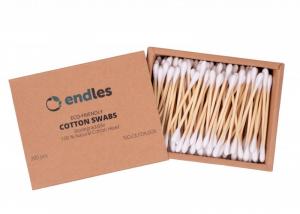
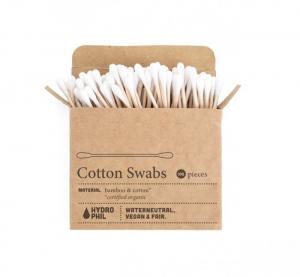
Cotton swabs are perhaps the best-known example of a needless single-use product. Doctors repeatedly point out that cleaning ears with a cotton swab is not recommended – as noted by the Mayo Clinic, for example, earwax has a natural self-cleaning mechanism and pushing a swab into the ear canal can cause more harm than good. For those who still use them for other purposes (make-up application, nail art details, etc.), washable silicone swabs are available, which are simply rinsed and reused.
Make-up removal pads are another massive source of waste. The average woman uses dozens of them per month, which over a year amounts to hundreds of pieces of discarded cotton or synthetic fibre. Reusable make-up removal pads made from bamboo, terry cloth or microfibre are gentle on the skin, easy to wash, and a single pack of ten can last two to three years. Some dermatologists even point out that soft fabric is gentler on sensitive skin than disposable pads.
Disposable razors are a chapter unto themselves. A plastic razor that gets thrown away after a few uses is, from a sustainability perspective, an absolute disaster. A stainless steel safety razor – the classic "double edge" razor used by generations before us – is, by contrast, virtually everlasting. You simply replace the blades themselves, which are inexpensive, recyclable and far less resource-intensive to produce. Many people also describe switching to a safety razor as one of the best grooming decisions they've made – a solid shaving cream (known as shaving soap or a shaving stick) combined with a brush and safety razor delivers results that modern plastic razors can barely match.
Shampoos and conditioners in plastic bottles are another major area where habits can easily be changed. Solid shampoos and conditioners are now available for all hair types, and their formulations are generally cleaner than liquid versions – without unnecessary fillers and preservatives. A single solid bar is equivalent to roughly two to three liquid bottles. Solid body soaps, solid shower gels and even solid deodorants work on the same principle. The entire bathroom can thus be practically free of plastic packaging.
As environmental activist and writer Rob Greenfield said: "Don't try to be perfect. Try to be a little better than yesterday." This idea is key for anyone just beginning to think about changing their habits. There's no need to throw everything out at once and replace it immediately – it's enough for each item, as it runs out, to be replaced with a sustainable alternative.
A bamboo toothbrush is now available in every larger health food or eco-friendly products shop. The bamboo handle is compostable (the bristles need to be removed before composting, as they are usually made from nylon, though versions with natural bristles do exist), and even so it's a significantly better choice than a standard plastic toothbrush. Similarly, you can switch to toothpaste in solid form or in a glass jar instead of a plastic tube.
How to get started – without stress and without guilt
Switching to reusable alternatives doesn't have to be an overnight revolution. The most sensible approach is gradual: start with one or two changes, get used to them, and then add more. Many people start in the kitchen, because that's where the change is most visible and the savings most tangibly felt in the wallet.
It's also useful to do a simple audit of what gets thrown away most frequently in the household. Simply keep an eye on the bin for one week and notice what keeps ending up in it. For most households, it will be paper towels, plastic packaging and single-use hygiene products – precisely the categories for which the best alternatives exist.
It's also worth knowing that quality sustainable products do cost more upfront, but in the long run they are always cheaper than repeatedly buying single-use goods. A set of fabric cloths for three hundred crowns will replace rolls of paper towels for several years. A safety razor costing a few hundred crowns will last decades. A solid shampoo bar for one hundred and fifty crowns replaces three bottles of liquid shampoo. The economic logic is clear.
The world is slowly but surely changing. More and more people are realising that everyday small decisions – what to buy, what to use, what to throw away – have an enormous cumulative impact. And it's in the kitchen and bathroom, where we spend so much time every day, that we have the greatest opportunity to influence that impact. It's not about deprivation or complicating your life. It's about making one good choice and then simply enjoying a routine that doesn't leave a mountain of waste in its wake.