

# What to Eat After Exercise for Better Performance and Recovery

Everyone who exercises regularly knows that feeling right after a workout – muscles burning, body exhausted, and hunger making itself known. But what should you reach for first after finishing exercise? A banana, a protein shake, or simply just water? The answer to this seemingly simple question has a fundamental impact on how quickly the body recovers, how muscles develop, and how you'll feel the next morning. Post-workout nutrition is no passing trend – it's a science backed by decades of research and sports medicine.
Understanding what happens in the body immediately after exercise is key to why food choices matter so much. During physical activity, glycogen stores are depleted – the energy stored in muscles and the liver. Muscle fibres sustain microscopic damage, which is paradoxically a desirable process, because they grow and strengthen during repair. At the same time, the body loses electrolytes through sweat and enters a catabolic state, where it may begin breaking down muscle mass for energy if it doesn't receive the necessary nutrients in time. The right food choices after exercise stop this process and kick-start the opposite – anabolic – state of recovery and growth.
Try our natural products
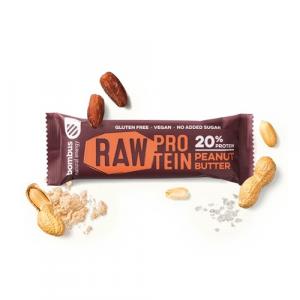
Protein and carbohydrates: an inseparable duo
The most important macronutrients after a workout are protein and carbohydrates, and their combination works synergistically better than either one alone. Proteins provide the amino acids needed to repair damaged muscle fibres, while carbohydrates replenish depleted glycogen stores and also stimulate the release of insulin, which helps transport nutrients directly into the muscles.
Studies published in the Journal of the International Society of Sports Nutrition have repeatedly confirmed that consuming a combination of protein and carbohydrates within two hours after exercise significantly improves muscle synthesis and shortens recovery time. This window of opportunity – the so-called anabolic window – is sometimes dramatised, but the truth is that the body is sensitive to nutrient intake after exercise for approximately one to two hours, and the sooner the better.
So how much protein does the body need after a workout? Experts generally agree on 20 to 40 grams of quality protein immediately after exercise. Less after lighter workouts, more after demanding strength training or a long endurance performance. The best sources include chicken or turkey, eggs, cottage cheese, Greek yoghurt, fish, or legumes for those who prefer a plant-based diet. Carbohydrates should be approximately twice the amount of protein, and it's advisable to choose those with a higher glycaemic index – meaning those that are absorbed more quickly. White rice, potatoes, bananas, or oats are excellent choices in this regard.
A practical everyday example: Markéta, a thirty-year-old teacher and recreational runner, used to have only an apple and water after every workout because she was afraid of consuming too many calories. The result? Chronic fatigue, muscle soreness lasting up to three days, and no progress in fitness. Once she started eating cottage cheese with a banana or wholegrain toast with eggs after her runs, the change came within a few weeks – muscles recovered faster, performance improved, and energy lasted longer.
Fats are somewhat controversial after exercise. Some sources recommend avoiding them after a workout because they slow down nutrient absorption. The truth is more nuanced – a small amount of healthy fats doesn't hinder recovery at all and actually contributes to long-term satiety and the absorption of fat-soluble vitamins. Avocado, a handful of nuts, or a tablespoon of olive oil are therefore no disaster. The problem is rather large portions of fatty foods, which genuinely slow digestion and therefore the supply of nutrients to the muscles.
Hydration and electrolytes – the foundation that gets forgotten
Post-workout nutrition isn't just about solid food. Hydration plays just as important a role as food choices, yet many athletes underestimate it. During an hour of moderate-intensity exercise, the body can lose half a litre to a litre of sweat, and significantly more during more demanding training or in summer months. With sweat, not only fluids are lost, but also electrolytes – sodium, potassium, magnesium, and calcium, which are essential for the proper functioning of muscles and the nervous system.
Fluid replenishment should begin immediately after exercise and continue gradually over several hours. The colour of urine serves as a simple reference indicator – light yellow means good hydration, dark yellow or orange signals the need to drink more. For most recreational athletes, plain water is sufficient, optionally supplemented with foods naturally rich in electrolytes. Bananas contain potassium, coconut water is a natural source of electrolytes, and cottage cheese or Greek yoghurt provide both calcium and sodium.
Sports drinks are most useful during very long or intense performances, when the body truly loses large amounts of electrolytes. For an hour-long run or a gym session at an average pace, they are unnecessary and often full of artificial colourings and added sugars. Natural alternatives are always a better choice in such cases – not only for the body, but also for the environment.
As Olympic athlete and nutrition coach Tim Noakes once said: "Hydration is not just about drinking water – it's about understanding what the body has truly lost and what it needs back." This idea applies to everyone who takes their physical performance seriously, whether they are a marathon runner or someone who goes to the gym three times a week.
Special attention is warranted for situations where someone exercises in the morning on an empty stomach – so-called fasted cardio. This approach has its merits for fat burning, but it also increases the demands on post-workout recovery. A body that has no glycogen stores or amino acids in the blood is in a more pronounced catabolic state after such exercise, which is why post-workout nutrition is even more important in this case and should not be delayed.
Another aspect worth attention is antioxidants and anti-inflammatory compounds. Intense exercise naturally increases oxidative stress in the body – the production of free radicals that damage cells. A diet rich in antioxidants helps mitigate this condition and thereby speeds up recovery. Berries such as blueberries, raspberries, or cherries are particularly effective in this regard. Turmeric, ginger, and leafy greens are further natural allies worth incorporating into a post-workout meal or smoothie. A study published in the journal Nutrients showed that consuming cherry juice after strength training significantly reduces muscle soreness and accelerates the restoration of muscle strength.
It is worth noting that many athletes underestimate the role of sleep as part of overall recovery, while evening nutrition before bed has a direct impact on how efficiently the body recovers overnight. Casein protein – a slow-release protein found, for example, in cottage cheese – is therefore an ideal choice as an evening snack after a demanding training day. It is released slowly over six to eight hours, supplying muscles with amino acids throughout the night, when the majority of recovery processes take place.
When it comes to meal timing, there is one practical piece of advice that works for most people regardless of their goals or type of training: don't wait too long. If the body doesn't receive nutrients within roughly two hours after exercise, recovery processes will slow down and the risk of muscle loss will increase. This doesn't mean you need to overeat or gulp down a protein shake right in the changing room – but a smaller meal or snack should come relatively soon. For those who don't feel hungry right after exercise, a liquid form of nutrition can be a good compromise – a smoothie with Greek yoghurt, a banana, and a handful of berries is digestible, quick to prepare, and nutritionally complete.
Plant-based diets need not be any disadvantage when it comes to post-workout nutrition. A combination of legumes and grains – for example, lentils with rice or beans with corn – creates a complete amino acid profile comparable to animal proteins. Tempeh, tofu, edamame, or seitan are further excellent sources of plant-based protein that can meet the demands of even more serious athletes. The key is variety and sufficient quantity, as the bioavailability of plant-based proteins is generally somewhat lower than that of animal proteins.
An interesting phenomenon in recent years is the growing interest in fermented foods as part of sports nutrition. Kefir, kimchi, kombucha, or natural yoghurt contain probiotics that support gut health, and therefore better nutrient absorption from food. A healthy microbiome means more efficient digestion and better immunity – and these are factors that have a direct impact on the speed of post-workout recovery. Adding a spoonful of natural yoghurt or a glass of kefir to a post-workout meal is simple yet highly effective.
A practical post-workout meal doesn't have to be complicated or expensive. Cooked rice with chicken and vegetables, wholegrain toast with eggs and avocado, a smoothie bowl with yoghurt and fruit, or simply cottage cheese with honey and walnuts – these are meals that anyone can prepare and that give the body exactly what it needs after a workout. The most important thing is consistency and the conscious decision to give nutrition the same attention as the training itself, because without proper recovery, results quite literally stay in the changing room.