

Chickpeas are suitable for salads, curries, and soups because they are filling, nutritious, and vers
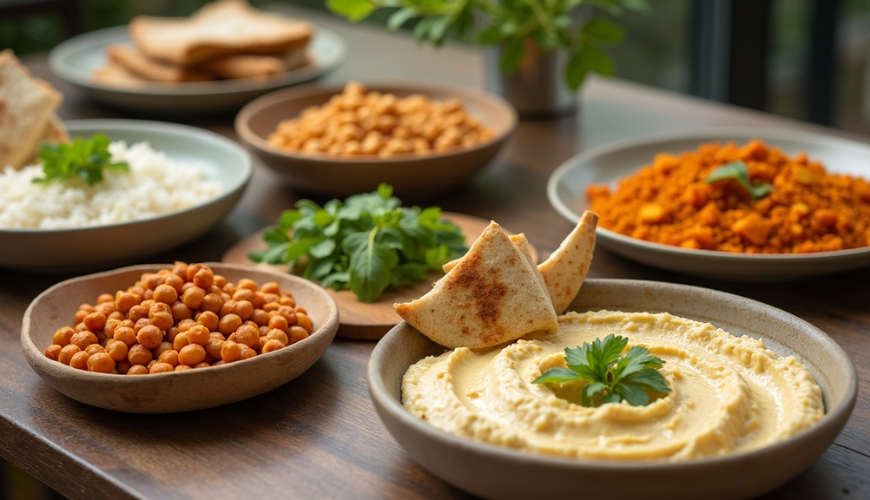
In recent years, chickpeas have quietly shifted from an "exotic" ingredient to a regular pantry staple. It's no surprise: you can make a quick dinner, a hearty lunch for a lunchbox, or a snack for a movie night with them. And yet, it still holds true that they're a legume that can be filling, nutritious, and surprisingly versatile. Anyone who has ever tasted well-seasoned, crispy roasted chickpeas or creamy hummus knows that "legume dishes" definitely don't have to be boring. The real question is: how to prepare tasty chickpea dishes simply, so they become a reliable helper even on days when there is neither time nor energy for complex cooking?
Try our natural products
Why Chickpeas Are Healthy and Why It Makes Sense to Eat Them More Often
Let's start with something that interests many people: why are chickpeas healthy? Chickpeas (garbanzo beans) are among legumes that naturally contain plant proteins and fiber. The combination of protein and fiber is precisely why chickpeas are so satisfying and why they're suitable for the diet when you don't want to feel hungry again in two hours. Moreover, fiber supports regular digestion and is a component that a large part of the population has been lacking for a long time.
Chickpeas are also a source of various minerals and B vitamins. Exact numbers will vary depending on the variety and method of preparation, but generally, legumes are nutritionally "dense" – and without being ultra-processed foods. For a wider context on dietary recommendations and the importance of fiber, it might be useful to look at summaries published by the World Health Organization (WHO) or the British NHS, which has long recommended legumes as part of a varied diet.
However, the health aspect is not the only reason. Chickpeas also have practical advantages: long shelf life in dry form, great cost-performance ratio, and the ability to "absorb" the flavors of spices, herbs, lemon, and garlic. This is a combination appreciated by anyone who wants to cook at home more often without spending half a day doing it.
Then there's sustainability. Legumes are generally categorized as foods with a relatively low environmental footprint compared to many animal protein sources. Anyone who likes to craft a diet that is not only nutritious but also more considerate will find a subtle ally in chickpeas.
"Legumes are one of the simplest ways to incorporate more fiber and plant proteins into the diet."
How to Use Chickpeas in the Kitchen So They Taste Good and Aren't Time-Consuming
The most common dilemma is surprisingly simple: to choose dry or canned? Both have their place. Canned chickpeas are ideal when cooking on a weekday, and the meal needs to be ready in half an hour. Just rinse them, let them drain, and they can go straight into a pan, salad, or blender. Dry chickpeas, on the other hand, are cheaper and allow better control over texture – after cooking, they are firmer, "cleaner" in taste, and often hold their shape better.
With dry chickpeas, it's worth planning ahead. Soaking overnight (or at least for 8–12 hours) shortens the cooking time and improves digestibility for many people. Then the chickpeas are cooked until soft – depending on the age and size of the grains, this can take about 45–90 minutes. Those using a pressure cooker can significantly reduce the time. A practical trick often shared: it's better to salt chickpeas towards the end of cooking to keep them nicely soft (it's not a rule, but it can help with some legumes).
To make chickpeas truly delicious, you need two things: fat and acid. Fat (olive oil, tahini, quality canola oil) helps develop the aroma of spices and gives the dish "roundness." Acid (lemon, lime, wine vinegar, pomegranate) adds juiciness and enhances flavor, so the dish doesn't seem flat. This pair often determines whether a chickpea salad is just "something healthy" or something to look forward to.
A Short Real-Life Example: Stress-Free Lunch for Work
Imagine a typical Tuesday. The morning is rushed, there are a few leftovers in the fridge, and only one thought: let the lunch be quick. In such a situation, a can of chickpeas often saves the day. Rinse, mix with chopped cucumber, tomatoes, a bit of onion, add olive oil, lemon, salt, pepper, and a handful of herbs. Pair with a piece of bread or the leftover rice from yesterday. In ten minutes, it's ready, the meal holds its shape, transports well, and most importantly – it fills you up. And if you're craving "more," just add feta or a spoonful of hummus as a dressing. This is exactly where chickpeas excel: they work even when the planning didn't go as expected.
Tips and Simple Recipes for Healthy and Tasty Chickpea Dishes
Chickpeas can be creamy, crispy, or "meaty" to the bite – depending on how they're handled. The following inspirations rely on common ingredients and don't require complex procedures. These are ideas that help answer how to practically prepare tasty chickpea dishes without unnecessary fuss.
Hummus That Even Those Who "Don't Like Legumes" Enjoy
Hummus is a classic but often disappoints simply because it's under-seasoned or too dense. Yet, just a few details are needed. The base: chickpeas, tahini, lemon, garlic, salt, olive oil. It's important to add some liquid – ideally a few tablespoons of water or chickpea brine – and blend longer for a fluffier and smoother hummus. A pinch of cumin and a bit of smoked paprika can enhance the flavor. For a smoother result, you can rub and peel some of the chickpea skins after rinsing; it's not necessary, but it can elevate the texture.
Hummus is not only great with pita bread. It works well as a spread for sandwiches, as a base for wraps, or even as a "sauce" under roasted vegetables. And if there's any left over, it's even better the next day as the flavors meld.
Crispy Roasted Chickpeas Instead of Chips
For those looking for something to munch on, roasted chickpeas are surprisingly addictive. The base is simple: well-drained and dried chickpeas, a bit of oil, salt, and spices. Roast in the oven (about 200 °C) for about 25–35 minutes, stirring occasionally. The key is for the chickpeas to be really dry before roasting – then they become beautifully crunchy. Seasoning can be "paprika style" (smoked paprika, garlic, a bit of chili) or "herb style" (thyme, rosemary, lemon zest). The result is a snack that is simple, cheap, and surprisingly filling.
Chickpea Curry in Thirty Minutes
Curry is an ideal way to maximize flavor from chickpeas. Sauté onion, garlic, and ginger in a pan, add curry powder (or garam masala), let it become fragrant, then add tomatoes (even canned) and chickpeas. Finally, add coconut milk or just a bit of broth to create a sauce. In a few minutes, it's done; just season with salt, lemon, or lime and add spinach or peas if available. Serve with rice, couscous, or just bread. The result is warming, fragrant, yet simple.
"Tuna" Salad Without Tuna: Chickpea as a Spread Base
This is one of those tricks worth knowing. Chickpeas can be lightly mashed with a fork or in a chopper (not to a paste), add mustard, lemon, salt, pepper, finely chopped onion and cucumber, or capers. For a creamier version, add a spoonful of vegan mayo or yogurt. The result resembles the structure of a salad usually made with tuna but is a purely plant-based and very quick alternative. Great for sandwiches, wraps, or on a crispy toast.
Chickpeas in a Salad That Is More Than "Just Leaves"
Chickpeas are precisely the ingredient that turns a salad into a meal. They work with roasted vegetables (carrot, pumpkin, cauliflower), fresh vegetables, and grains. A great combination is chickpeas + roasted pepper + red onion + parsley + lemon. Or chickpeas with cucumber, tomatoes, and olives in a Mediterranean spirit. When you add a bit of cheese (feta, goat) or seeds, the salad gains another layer of flavor.
Here, it's worth considering the dressing: olive oil, lemon, a teaspoon of Dijon mustard, salt, pepper. It's a small thing but makes a huge difference. And for those who like stronger flavors, add a pinch of dried oregano or sumac.
Soup That Saves the Evening: Chickpeas, Vegetables, and Herbs
Chickpea soup can be light or hearty. In the basic version, sauté onion in oil, add carrot and celery, pour in broth, add chickpeas, and let simmer for a few minutes. Some can be blended to thicken the soup, and the rest remains whole for texture. Flavoring comes from garlic, thyme, pepper, and lemon at the end. With a bit of greens (spinach, kale), it's a dish that seems simple but is surprisingly "mature" in taste.
One List Worth Keeping Handy: Flavorings That Always Elevate Chickpeas
- Lemon or lime (juice and zest) for freshness
- Cumin for a "oriental" depth
- Smoked paprika for a fuller taste without meat
- Garlic and quality olive oil as a base that almost always works
- Tahini for creaminess and a subtly nutty tone
When you have at least part of this at home, chickpeas can be flavored practically differently each time, yet still simply.
Chickpeas are simply an ingredient that can be inconspicuous or the main star of the plate. During a regular week, they mainly help by allowing you to make healthy and tasty meals simply: quick salads, creamy spreads, fragrant curries, and crispy snacks. And perhaps the most pleasant thing about them is that they adapt to what you have at home – sometimes complementing roasted vegetables, other times replacing part of the meat in a sauce, and occasionally transforming into hummus that disappears before it can be put in the fridge.