

Tips for protein-packed one-pan meals
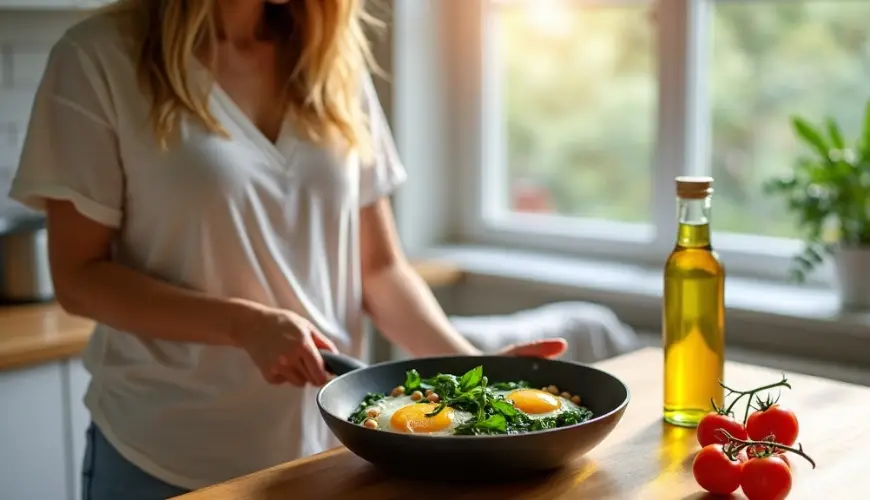
There is a certain kind of magic in preparing an entire dinner in a single vessel. No piles of dishes, no complex coordination of multiple pots at once, no stress about something burning while you attend to another part of the meal. One-pan meals have become a phenomenon of modern cooking in recent years – and no wonder. They combine convenience with nutritional value in a way that both busy parents and athletes looking for a quick source of protein after training can appreciate.
It is interesting that many people still associate high protein content with bland, flavourless cooked chicken breasts or protein shakes. The reality is far more varied. All you need is a good pan, quality ingredients and a few tried-and-tested recipes that can easily be adapted to whatever happens to be in the fridge. Proteins are not just a matter for athletes – adequate protein intake is, according to World Health Organization recommendations, key to the healthy functioning of the body at every age, for tissue regeneration, immunity and the proper functioning of hormones.
Let us look at six specific ideas that can turn a single pan into a nutritious, tasty and yet surprisingly simple meal.
Try our natural products


A classic with a twist: eggs, legumes and vegetables as a foundation
The first and perhaps most versatile tip is the combination of eggs with legumes and seasonal vegetables. Eggs are one of the most complete sources of protein available – they contain all essential amino acids and are available year-round. Add a tin of chickpeas or red lentils, a handful of spinach or cherry tomatoes and you have the foundation for a meal that will keep you satisfied for hours.
A real-life example: imagine a Monday evening after a long day at work. Nothing in the fridge has been defrosted, the shopping is being put off until tomorrow. Precisely at such a moment, a pan with olive oil, two eggs, the remainder of a tin of chickpeas, a little cumin and garlic and a handful of frozen vegetables saves the day. In fifteen minutes, a complete dinner with more than 25 grams of protein is on the table. It is not magic – it is simply making good use of what you have to hand.
A similar philosophy is shared by shakshuka, a dish of Middle Eastern origin in which eggs are poached directly in a tomato sauce seasoned with paprika and coriander. A version enriched with white beans or chickpeas adds nutritional value and at the same time makes the dish filling enough to serve as a light lunch. This combination of animal and plant-based proteins is nutritionally very well balanced.
Meat, fish and tofu: three paths to the same goal
The second broad category consists of dishes built around a single main source of animal or plant-based protein. Each of these paths has its own characteristics, but all lead to the same destination – a tasty and nutritious one-pan meal.
Chicken is an absolute classic in this regard. Chicken thighs or breasts cut into pieces, sautéed in a pan with garlic, paprika and dried herbs, supplemented with a cup of stock and a handful of rice or bulgur – this is a foundation that even a beginner can master. The rice or bulgur absorbs the stock and cooks to tenderness directly in the pan, resulting in a compact, satisfying dish without a single unnecessary pot. Cooked chicken contains approximately 31 grams of protein per 100 grams, making it one of the most efficient sources across the entire food spectrum.
Fish is a somewhat less traditional choice for one-pan cooking, but deserves far more attention. Salmon, cod or tuna can be prepared very quickly – fillets simply need to be fried on both sides, then vegetables and a little lemon juice added. The result is a light, aromatic dish rich not only in protein but also in omega-3 fatty acids, which have a demonstrable effect on heart and brain health. The American Heart Association recommends consuming oily fish at least twice a week for precisely this reason.
Tofu is an excellent choice for those who are reducing or eliminating their consumption of animal products. Firm tofu cut into cubes, sautéed until golden in sesame oil, seasoned with tamari sauce, ginger and garlic, and served with vegetables and buckwheat noodles – this is a dish that will surprise even committed meat-eaters. The key is proper preparation: the tofu must be pressed to remove excess water beforehand and left in the pan long enough to develop a crispy crust. It is precisely this texture that transforms the entire experience.
As chef and writer Mark Bittman once noted: "Good food doesn't require complexity. It requires attention." And this applies precisely to all three of these variations – all it takes is a little care given to the ingredients, and the result will follow.
Four specific recipes worth trying
For those seeking more concrete inspiration, here are four ideas that complement the more general overview above. Each is built on a different foundation, but all share a common denominator: minimal time spent in the kitchen and maximum nutritional value.
Pan-cooked lentils with smoked salmon and spinach
Red lentils are cooked directly in a pan with a little stock and turmeric. Towards the end of cooking, a handful of fresh spinach and slices of smoked salmon are added. The result is a creamy, boldly flavoured dish with a high content of protein, fibre and healthy fats. Smoked salmon requires no heat treatment, so it is added only at the end and retains all its nutritional properties.
Mexican pan with minced turkey and beans
Turkey mince is sautéed with onion and garlic, then tinned black beans, sweetcorn, tomatoes and spices are added – cumin, chilli, oregano. Everything is simmered together for about ten minutes. It can be served directly from the pan with a little avocado or soured cream. This dish is particularly popular in families with children, as it can easily be adapted to suit each diner's taste.
Asian pan with prawns and edamame
Prawns are quickly sautéed in sesame oil with ginger and garlic. Edamame (young soya beans), sliced bell pepper and a little rice vinegar are added. The whole dish is seasoned with soy sauce and served with jasmine rice cooked separately or directly in the pan with a little water. Both prawns and edamame are exceptionally rich in protein – the combination of both sources ensures an intake of over 30 grams of protein per serving.
Pan-cooked chicken with quinoa and grilled vegetables
Quinoa is one of the few plant foods that contains a complete amino acid profile, which is why its combination with chicken is nutritionally very powerful. Chicken breasts are cut into cubes, sautéed with onion and pepper, then quinoa, stock and any vegetables of choice are added – courgette, cherry tomatoes, spinach. Everything is cooked under a lid for about twenty minutes until the quinoa has absorbed all the liquid. The result is a compact, substantial dish that will keep in the fridge for several days and is ideal for preparing meals for the entire week, so-called meal prep.
Why it matters more than it might seem
Behind each of these recipes lies a broader idea that goes beyond mere practicality. The way we eat affects not only our health but also the planet. Choosing local ingredients, reducing food waste and preferring plant-based protein sources for at least part of one's diet are steps that have a real impact. One-pan cooking naturally contributes to this – lower energy consumption, less water used for washing up, a simpler shopping list.
At the same time, meals with a high protein content have a direct effect on the feeling of satiety. Proteins are digested more slowly than carbohydrates, stimulate the production of the hormone leptin and suppress the hunger hormone ghrelin. In practice, this means that after a protein-rich meal, a person does not feel hungry as soon and is less prone to impulsive snacking between meals. This effect is confirmed by research – for example, a study published in the American Journal of Clinical Nutrition showed that increasing protein intake to 30% of total caloric intake led to a significant reduction in overall caloric intake among the participants studied.
It is therefore clear that simple cooking and healthy eating are not at odds with each other at all. On the contrary – the simpler the approach, the greater the chance that good dietary habits will become genuine habits, rather than merely short-term challenges. A pan, a little imagination and quality ingredients are truly all that one needs. And next time the fridge looks empty and the motivation to cook is at a minimum, it may be enough to recall one of these six ideas – and give simplicity a chance.