

How Much Protein Women Really Need

When people hear "protein," many picture bodybuilders with huge shakers in hand or shelves full of protein bars in sports nutrition stores. But protein isn't just a matter for professional athletes. It's the fundamental building block of every cell in the body – and surprisingly little is said about it when it comes to women. Yet the question of how much protein women truly need and where to find it is one of the most important we can ask in connection with healthy eating.
For long decades, women were advised to focus primarily on caloric intake, limit fats, and eat plenty of vegetables. These are all sensible pieces of advice, of course, but protein often remained on the sidelines. The result is that many women – whether in their twenties, forties, or sixties – consume significantly less protein than their bodies actually need. And the consequences show up not only in muscles but also in the quality of hair, nails, skin, immunity, and even mood.
According to World Health Organization recommendations, protein intake should make up approximately 10 to 15 percent of total energy intake. In practice, for an average adult woman, this means roughly 0.8 grams of protein per kilogram of body weight per day – the so-called minimum recommended allowance. But the word "minimum" is key. This value represents the amount needed to prevent the body from suffering deficiency, not the optimal amount for it to thrive. Modern research shows that most women should aim for 1.2 to 1.6 grams per kilogram of body weight, even if they only engage in recreational exercise. For more active women, pregnant or breastfeeding women, or women in menopause, the ideal intake may be even higher.
Let's take a specific example. A thirty-year-old woman weighing 65 kilograms who goes to yoga three times a week and occasionally goes for a run should, according to older recommendations, consume about 52 grams of protein per day. That's roughly equivalent to two chicken breasts – and at first glance, it doesn't sound bad. But if this woman wants to maintain muscle mass, support recovery, and at the same time feel full and energetic, an intake of around 80 to 100 grams per day will serve her much better. The difference is surprisingly large and in practice means that protein should be present in every main meal and ideally in snacks as well.
Try our natural products
Why adequate protein intake is so essential for women
One of the biggest myths surrounding protein is the notion that higher protein intake automatically leads to "bulking up" in the bodybuilding sense. Women naturally have lower testosterone levels, and therefore massive muscle mass gain without targeted strength training and a specific dietary regimen is practically impossible. What adequate protein intake actually brings, however, is a firmer and more functional body, better metabolism, and a significantly more pleasant feeling of satiety after meals.
And that's far from everything. Protein plays a key role in the production of hormones, antibodies, and enzymes. When intake is chronically low, the body starts "cutting corners" in places that aren't immediately visible – the immune system weakens, wound healing slows down, hair loses its shine, and nails become brittle. Many women attribute these symptoms to stress, age, or vitamin deficiency, when the real cause may simply be a lack of quality protein in their diet.
A special chapter is the menopausal period. With declining estrogen levels, a natural loss of muscle mass occurs – a process known as sarcopenia. Studies published in the scientific journal The Journal of Nutrition repeatedly confirm that women over fifty who consume higher amounts of protein (around 1.2 grams per kilogram of body weight and more) maintain better muscle strength, bone density, and overall mobility. It's no exaggeration to say that adequate protein intake can be one of the most effective tools for preventing osteoporosis and frailty in older age.
Pregnancy and breastfeeding are additional periods when protein needs rise significantly. A growing fetus needs amino acids as building material, and if the mother doesn't obtain them from food in sufficient quantities, the body starts "borrowing" them from its own reserves – that is, from muscles. That's why pregnant women are advised to increase protein intake by at least 10 to 25 grams per day compared to their normal state, depending on the trimester.
As American dietitian and nutrition author Melissa Hartwig Urban once aptly noted: "Protein isn't just fuel for your muscles – it's the building material for your entire life." And it's precisely this perspective that deserves greater attention in everyday practice.
Where to find quality protein and how to incorporate it into your diet
The good news is that protein is found in an enormous variety of foods, both animal and plant-based. So there's no need to limit yourself to chicken breasts and cottage cheese, even though both are among excellent sources. Let's look at what options are available and how to combine them smartly.
Among the highest-quality animal protein sources are poultry, fish, eggs, and dairy products. One large egg contains approximately 6 grams of protein plus a whole range of important vitamins. Greek yogurt, which has enjoyed enormous popularity in recent years, offers around 10 grams of protein per hundred grams – that's nearly twice as much as regular yogurt. Fish, especially salmon, mackerel, and sardines, provide not only protein but also valuable omega-3 fatty acids that support heart and brain health.
For women who prefer a plant-based diet, there are plenty of excellent alternatives. Legumes – lentils, chickpeas, beans, and peas – are among the most accessible and cheapest sources of plant protein available. A cup of cooked lentils contains approximately 18 grams of protein, which is comparable to a serving of meat. Tofu and tempeh, made from soybeans, offer a complete amino acid profile and are incredibly versatile in the kitchen. And then, of course, there are nuts, seeds, quinoa, or hemp seeds, which are classified among so-called superfoods thanks to their exceptional nutritional composition.
It's important to mention that plant proteins have one specific characteristic compared to animal proteins – most of them don't contain all essential amino acids at once. In practice, however, this poses no problem as long as a person combines different sources throughout the day. The classic combination of legumes with grains (such as lentil soup with bread or beans with rice) provides the complete spectrum of amino acids the body needs.
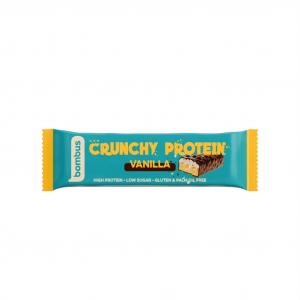
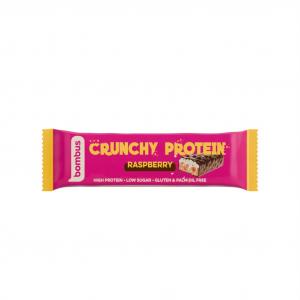
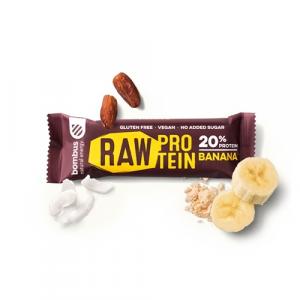
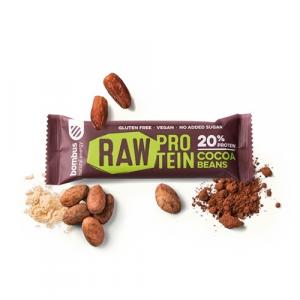
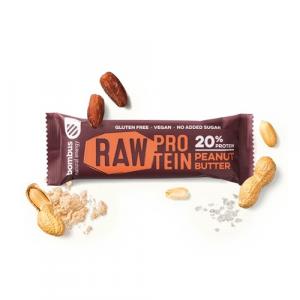
A separate category is protein supplements – protein powders, protein bars, and similar products. These can be a useful aid for women who have hectic lifestyles and don't always manage to prepare a balanced meal. Whey protein is the most widespread option, but for women with lactose intolerance or those preferring a plant-based diet, there are quality alternatives made from pea, rice, or hemp protein. When choosing, it's important to check the ingredients – the ideal product has minimal added sugars, artificial sweeteners, and unnecessary additives.
Practically speaking, what might a day with sufficient protein look like for a woman aiming for approximately 90 grams of protein per day? For breakfast, perhaps Greek yogurt with nuts and seeds (about 20 grams of protein), for lunch a salad with grilled chicken or tofu and quinoa (around 30 grams), an afternoon snack in the form of a handful of almonds and a piece of quality cheese (10 grams), and for dinner salmon with roasted vegetables and a lentil side dish (30 grams). It's not rocket science, and it certainly doesn't require drastic changes to eating habits – you just need to consciously make sure that every meal contains at least one quality protein source.
One of the most common mistakes women make is concentrating protein into a single meal – typically dinner, when they have a large piece of meat. Research suggests, however, that the body can most efficiently utilize approximately 25 to 40 grams of protein at once, which is why evenly distributing intake throughout the entire day is much more beneficial. Not only does this support better muscle protein synthesis, but it also helps maintain stable blood sugar levels and prevent the afternoon energy crashes that many women know all too well.
It's also worth mentioning the role of protein in weight loss, as this is a topic that interests many women. Protein is the most satiating of all macronutrients – meaning that after a protein-rich meal, a person feels full longer and is less inclined to reach for unhealthy snacks. Moreover, digesting protein consumes more energy than digesting fats or carbohydrates – this phenomenon is called the thermic effect of food, and in practice it means the body "burns" approximately 20 to 30 percent of protein's caloric value during processing. For women striving for healthy and sustainable weight loss, a higher proportion of protein in the diet is therefore one of the most effective strategies.
Of course, as with everything, more doesn't automatically mean better when it comes to protein. Extremely high protein intake (above 2.5 grams per kilogram of body weight) has no proven benefits for the general population and can unnecessarily strain the kidneys, especially in individuals with pre-existing conditions. The key is a sensible, balanced approach – and for most women, that means a moderate increase compared to what they're currently consuming.
In closing, here's one practical tip that can make the whole process easier. Try keeping a food diary for one week and calculate your approximate protein intake – there are simple apps for this, such as MyFitnessPal or Kalorické tabulky. The result is often a real eye-opener for many women. They frequently discover that their daily protein intake hovers around 40 to 50 grams, which is well below the optimum. And this very realization is the first step toward a change that can show up in energy levels, physique, mood, and overall health. Because protein for women is neither a luxury nor a trendy fad – it's an essential nutrient that deserves the same attention as vitamins, minerals, or getting enough sleep.