

Slowing down the aging of the neck and décolleté starts with daily care

There is one place on the body that reveals age sooner than wrinkles around the eyes or nasolabial folds. It is the neck and décolletage – an area that most people do not care for nearly as carefully as the face, even though it is constantly exposed to the gaze of others and the harmful effects of the environment. While facial creams, serums and sun protection factors have become part of the daily ritual of millions of people, the neck and décolletage remain something of a blind spot in skincare. And it is precisely this neglect that becomes very clearly apparent over time.
Ageing of the skin on the neck and décolletage is not merely an aesthetic matter – it is a natural biological process that can, however, be significantly slowed down if one understands why it occurs and what accelerates it. The skin on the neck is considerably thinner than on the face, contains fewer sebaceous glands and has a more limited ability to retain moisture. This makes it more susceptible to drying out, loss of elasticity and the formation of wrinkles. The décolletage suffers additionally from the fact that in many people – especially those who sleep on their side – the skin is repeatedly mechanically creased, which over the years leaves permanent marks.
Try our natural products
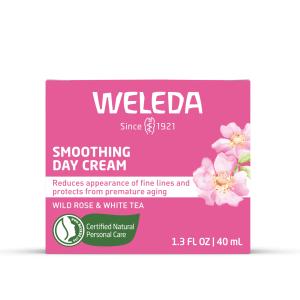

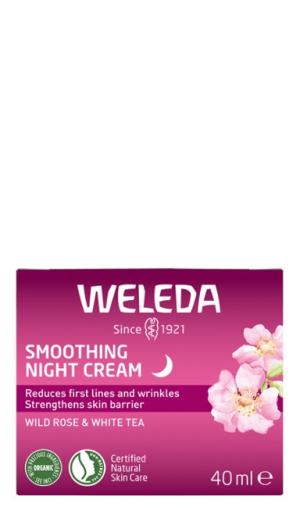
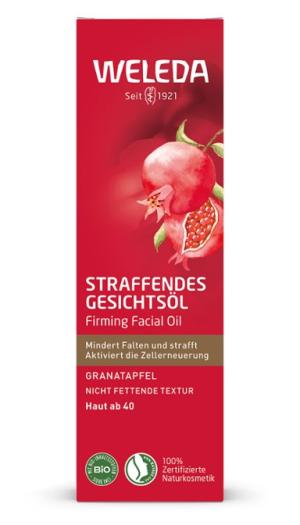
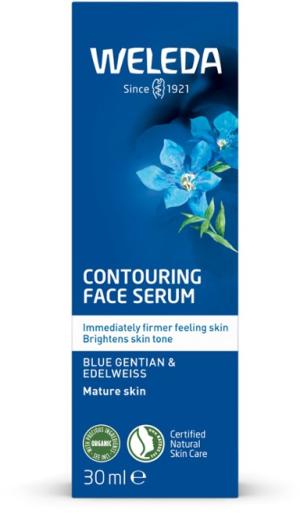
Why the skin on the neck ages faster than we think
Dermatologists have long been drawing attention to the fact that the neck and décolletage area is one of the most vulnerable parts of the entire body when it comes to visible signs of ageing. According to experts from the American Academy of Dermatology, ultraviolet radiation is the main culprit behind premature skin ageing – and yet the neck is systematically skipped when applying sunscreen. The result is cumulative damage that only becomes apparent years later, when correction is more difficult.
Natural ageing is also contributed to by a decline in the production of collagen and elastin, which begins as early as around the age of thirty. These proteins are responsible for the firmness and elasticity of the skin – and as their quantity decreases, the skin begins to sag, loses tone, and the first horizontal lines appear, colloquially known as "necklace wrinkles." These horizontal lines on the neck arise partly from natural anatomical tension, but also from the so-called "text neck" syndrome – that is, prolonged bending of the head over a phone or computer screen. Modern lifestyle thus contributes to the ageing of the neck in a way that was not nearly as pronounced twenty years ago.
The influence of hormonal changes must not be overlooked either. In women during menopause, there is a sharp decline in oestrogens, which have a direct effect on the hydration and thickness of the skin. The skin on the neck then rapidly loses volume and structure, manifesting as sagging, so-called "turkey neck." Men do not suffer from this type of hormonal fluctuation to the same extent, but they are not immune either – skin ageing of the neck manifests differently in them, but just as inevitably.
Everyday care – or rather its absence – also plays a role. Imagine a middle-aged woman who carefully applies moisturising cream to her face every morning, applies a vitamin C serum and does not forget the eye cream. But then she buttons up her shirt collar, puts on a scarf and heads off to work. The neck and décolletage? They are left without any care whatsoever. Exactly such a scenario is completely commonplace – and it is exactly such a scenario that causes the face to look several years younger than the neck beneath it at forty or fifty years of age, creating a visually incongruous effect that bothers many people.
What truly helps when caring for the neck and décolletage
The good news is that it is never too late to start – and that regular, targeted care can significantly slow down visible signs of ageing, or even partially reverse them. The key is to approach the neck and décolletage as a natural part of skincare, rather than as an area we only attend to when we notice a problem.
The fundamental step is hydration. The skin on the neck needs intensive moisturising, as it naturally has a lower ability to retain water. Products with hyaluronic acid, glycerin or ceramides are suitable, as they help restore the skin's natural barrier. When applying cream to the face, it is important to continue with downward strokes – across the neck and onto the décolletage. This simple habit, which takes no more than thirty extra seconds, can have a fundamental impact in the long term.
Another key element is sun protection. SPF 30 or higher should be applied to the neck and décolletage every day – not only in summer, but throughout the year, because UVA radiation penetrates even through cloud cover and windows. It is precisely this chronic sun damage, which accumulates over decades, that accounts for a large part of the visible ageing of these areas. Yet prevention here is incomparably simpler and less expensive than any subsequent treatment.
Retinol, or vitamin A in its active form, is considered one of the most scientifically well-supported substances for combating skin ageing. Regular use of products containing retinol stimulates cell renewal and collagen production, thereby helping to smooth out existing wrinkles and prevent new ones from forming. For the sensitive skin of the neck, however, it is advisable to start with a lower concentration and limit application to night-time care, to avoid irritation. As dermatologist Dr. Whitney Bowe says: "The neck and décolletage are the areas where age reveals itself first – and yet they are most often neglected."
In addition to cosmetic care, nutrition and lifestyle also play a considerable role. A diet rich in antioxidants – that is, vegetables, fruit, nuts and quality oils – helps protect the skin from oxidative stress, which accelerates ageing at the cellular level. Adequate water intake, quality sleep and reducing smoking are factors whose influence on skin condition is scientifically proven. Smoking, for example, causes narrowing of the blood vessels in the skin, thereby limiting the supply of nutrients and oxygen, and also directly damages collagen – the result is skin that ages considerably faster.
Sleeping position also deserves attention. Sleeping on one's side causes repeated creasing of the skin on the décolletage, which over the years leads to the formation of permanent vertical lines. Sleeping on one's back eliminates this problem, but not everyone can manage it. Alternatives include special pillows designed to protect the décolletage, or satin bedding which, thanks to its lower friction, minimises mechanical damage to the skin.
Natural approaches to skincare are also gaining increasing popularity. Oils such as argan, rosehip or jojoba are rich in fatty acids and vitamins that nourish the skin and support its regeneration. Their regular application to the neck and décolletage can help restore elasticity and hydration, especially in combination with gentle massage, which improves circulation and lymphatic drainage. Ecological and natural cosmetic products offer this care without unnecessary chemical burden – both for the skin and for the environment.
Simple changes that have the greatest impact
Caring for the neck and décolletage does not need to be complicated or time-consuming. It is primarily about incorporating this area into an existing skincare routine and approaching it with the same attention as the face. A few specific habits can have a surprisingly large effect:
- Applying moisturising cream and sunscreen every morning to the entire neck and décolletage area
- In the evening, applying a serum or product with retinol or peptides using upward strokes to help firm the skin
- Once a week, performing a gentle exfoliation to remove dead cells and promote the absorption of active ingredients
- Maintaining good posture and reducing time spent with the head bent over a phone
- Sleeping on one's back or using a satin pillow
These steps are not revolutionary – but it is precisely their regularity and consistency that determines the outcome. Skin ageing is a long-term process, and slowing it down is equally a long-term process. Results will not appear overnight, but after several months of regular care, most people will notice that the skin on the neck is more hydrated, firmer and generally looks healthier.
It is interesting that interest in caring for the neck and décolletage has grown significantly in recent years – including among younger generations, who are adopting a preventive approach to skin ageing earlier than their parents. This shift in thinking is encouraging, because the most effective protection is always prevention. The earlier a person begins to consciously care for the neck and décolletage, the less pronounced the signs of ageing will be in later life.
The neck and décolletage are parts of the body that reveal more about us than many people realise. It is not just about aesthetics – it is about an overall approach to self-care, about the awareness that healthy skin is the result of long-term attention and respect for one's own body. And while ageing is natural and inevitable, there is no reason to open the door to it unnecessarily sooner than necessary.