

Pancakes for the whole family without flour and from just three ingredients
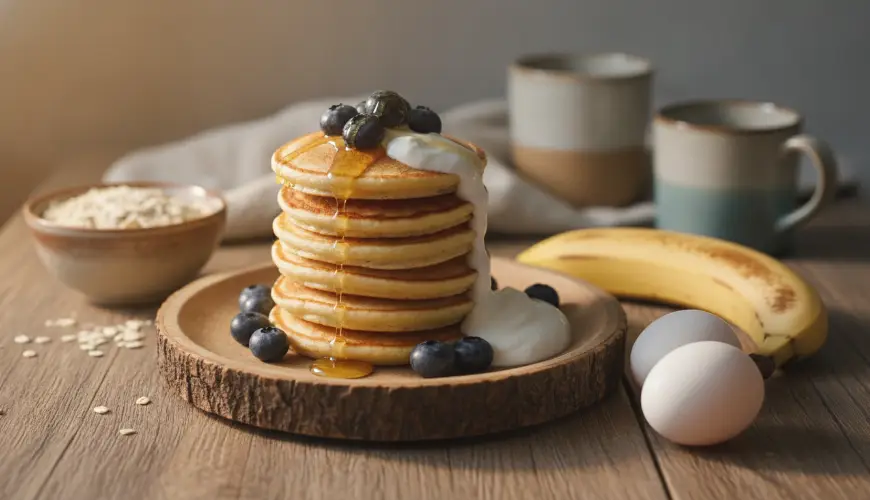
There are recipes that surprise you with their simplicity, yet become part of everyday cooking. Three-ingredient flourless pancakes are exactly such a case. No complicated preparation, no long list of ingredients, no special equipment – and the result is surprisingly tasty, nutritious, and suitable for the whole family, including the youngest. At a time when more and more people are interested in healthier eating and looking for alternatives to classic wheat flour, this recipe has become a true phenomenon of modern cooking.
It's no wonder that thousands of parents, athletes, and people with various food intolerances share similar recipes on social media. Their popularity lies not only in their simplicity, but also in the fact that they offer real nutritional value without unnecessary additives. Three-ingredient flourless pancakes are not a new invention – their base consists of banana, eggs, and optionally oat flakes or almond butter, and people around the world have been preparing these combinations in various forms for decades.
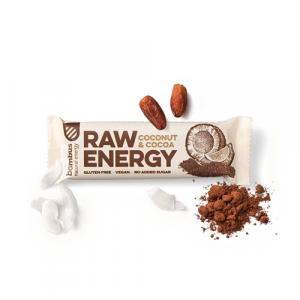
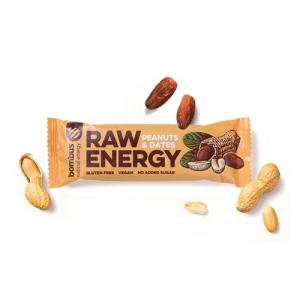
Try our natural products


What exactly are flourless pancakes and why try them?
A classic pancake is made from flour, eggs, milk, and fat. The flourless version replaces this traditional base with natural whole foods that themselves provide structure, binding, and flavor. The most widespread combination is built on ripe banana and eggs – the banana acts as both a natural sweetener and a binding agent, while the eggs provide protein and help hold the batter together. The third ingredient is typically oat flour or whole oat flakes, almond butter, cottage cheese, or Greek yogurt – depending on what consistency and flavor we want to add to the finished pancakes.
For many families, the transition to flourless alternatives is connected to a specific life situation. Take the example of Petra, a mother of two from Brno, who started looking for alternatives after her older son was diagnosed with gluten sensitivity. "I didn't expect the kids to be more excited than they were about classic pancakes. We add blueberries and a little honey and breakfast is ready in ten minutes," she says. Her experience is not unique – families across the country are discovering that healthier choices don't have to mean compromising on taste.
There are many reasons to try flourless pancakes. First and foremost, they are naturally gluten-free, which is essential for people with celiac disease or gluten sensitivity. They also have a lower glycemic index than classic pancakes made from white flour, meaning a slower release of energy and a longer feeling of fullness. Banana as the main ingredient provides potassium, magnesium, and B vitamins, while eggs are a source of quality protein and healthy fats. Overall, it's a meal that satisfies, provides energy, and doesn't burden the body with unnecessary empty calories.
Interestingly, leading nutrition experts also recommend incorporating whole foods into the diet instead of processed alternatives. The World Health Organization in its healthy diet recommendations emphasizes the intake of fruits, vegetables, and whole grains – and these are precisely the components that form the basis of flourless pancakes. This is therefore not a passing trend, but a recipe built on solid nutritional principles.
So how do you actually make these pancakes? The basic recipe is truly minimalist. For two to three servings, you need one ripe banana, two eggs, and approximately three tablespoons of oat flakes or oat flour. Mash the banana with a fork into a smooth purée, add the eggs and mix well, then stir in the oat flakes and let the batter rest for a moment so the flakes can absorb the moisture. The resulting batter is thicker than classic pancake batter, but in a pan with a little coconut oil or clarified butter, it cooks up beautifully golden. The key to success is a sufficiently ripe banana – the riper it is, the sweeter and more aromatic the pancakes will be, and the easier it will be to mash.
Variations, tips, and how to adapt the recipe for the whole family
One of the greatest advantages of this recipe is its versatility. The basic trio of ingredients can easily be expanded or adjusted to suit the tastes and needs of every family member. For children who don't like the strong banana flavor, part of the banana can be replaced with apple purée or pumpkin purée – the result will be milder and less sweet. Athletes and active people can add a spoonful of protein powder or cottage cheese to the batter for a higher protein content. Vegans can replace the eggs with a so-called flax egg – a tablespoon of ground flaxseed mixed with three tablespoons of water makes an excellent plant-based binding agent, although the resulting texture will be slightly less fluffy.
Beyond the batter itself, the choice of toppings and accompaniments plays a major role. While classic pancakes are traditionally served with jam or Nutella, flourless versions naturally invite more wholesome additions. Fresh fruit, nut butters, Greek yogurt, or quality honey are choices that preserve the healthy character of the entire meal. A particularly popular combination is with blueberries and coconut yogurt, which gives the pancakes a touch of luxury without a single spoonful of refined sugar.
For families with young children, it's worth mentioning that these pancakes are an excellent choice even for the youngest eaters. Banana and eggs are among the first complementary foods recommended by pediatricians, and the combination of these two ingredients creates a meal suitable for children from approximately eight months of age – of course without added salt and sugar and with attention to potential allergies. The Czech Paediatric Society recommends introducing new foods gradually and monitoring the child's reactions, but eggs and bananas are generally well tolerated and nutritionally very valuable.
When it comes to practical preparation tips, experienced cooks recommend baking flourless pancakes at a lower temperature than classic ones, because the banana sugar easily burns at high heat. A smaller pancake diameter – roughly the size of a palm – also makes flipping easier, which is slightly more delicate with the flourless version than with the classic. A well-heated non-stick pan with sufficient fat also helps. It's worth pouring the batter slowly and letting the pancake cook until the edges begin to set and bubbles appear on the surface – only then is it time to flip.
An interesting option is also preparing sweet-savory variations. Adding a pinch of cinnamon, vanilla, or cocoa creates a sweet breakfast version, while mixing in chopped herbs, sun-dried tomatoes, or grated cheese turns the pancakes into a light savory lunch or snack. This flexibility is one of the reasons the recipe works so well for the whole family – everyone can customize their portion according to their mood and tastes.
As American chef and healthy cooking author Ellie Krieger says: "The best food is that which is both nutritious and delicious – and these two qualities are not mutually exclusive." Three-ingredient flourless pancakes are living proof of this. This is not a food where you tell yourself it may not taste great, but at least it's healthy. It's food that genuinely tastes good – and that is essential for maintaining healthy eating habits in the long term.
The ecological dimension of this recipe is also worth mentioning. Fewer ingredients means less packaging, fewer shopping trips, and a smaller carbon footprint. Bananas are available year-round and are among the most affordable fruits, eggs can be purchased from local farmers, and oat flakes are one of the most sustainable grains in terms of water consumption and emissions during cultivation. For households trying to live more sustainably, this recipe is a natural ally – and all without any compromise in taste or nutritional value.
Feeding the whole family is a challenge every parent knows. Finding a recipe that suits a kindergarten-age child, a teenager, a sporty dad, and a grandmother with gluten intolerance is almost like looking for a needle in a haystack. And yet – three-ingredient flourless pancakes handle this difficult task surprisingly well. They are simple enough to be prepared by a less experienced cook, nutritious enough for active adults, gentle enough for young children, and tasty enough for those who don't usually expect much from healthy food.
You don't need to be a strict diet follower or count every calorie to have a reason to try this recipe. All you need is a ripe banana at home, a few eggs, and a handful of oat flakes – and a breakfast that satisfies, delights, and doesn't weigh you down is ready in less than fifteen minutes. And that's an argument that holds in every household, regardless of age, lifestyle, or culinary ambitions.