

Light cottage cheese terrine full of protein will keep you satisfied
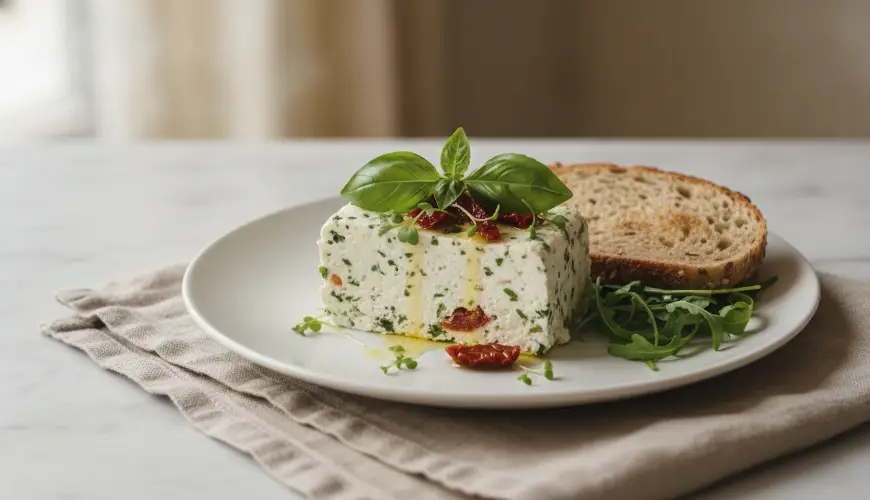
There are dishes that look like the result of hours spent in the kitchen, yet their preparation takes barely twenty minutes. The cottage cheese terrine is exactly that kind of dish – delicate, packed with protein, refreshing and surprisingly elegant. It's no wonder that in recent years it has become a popular item not only on the tables of health-conscious enthusiasts, but also on the menus of modern bistro cafés, where guests order it as a light lunch or nutritious snack. And the best part? You can prepare it at home, without special equipment and without an unnecessarily long list of ingredients.
Cottage cheese has been experiencing a true renaissance in recent years. While it was once considered more of a diet food with a grey image, today it has become a star of nutrition-conscious cooking. The reason is simple: cottage cheese contains an exceptional amount of quality protein at a relatively low fat and calorie content. According to data from the USDA Nutritional Database, 100 grams of standard cottage cheese contains approximately 11 grams of protein, with a caloric value of around 98 kcal. This makes it one of the most efficient sources of protein in the dairy products category.
Try our natural products





Why a terrine is the ideal format for a bistro snack
The terrine as such has its roots in French cuisine, where it was traditionally prepared from minced meat, liver or vegetables in a rectangular mould. The name comes from the clay vessel – terrine – in which the dish was baked or chilled. Modern cooking has adopted and freely adapted this concept: today's terrines can be cold, warm, meaty, vegetarian or purely cheese-based. The cottage cheese terrine belongs to the lightest category – it requires no baking, only the right composition and time in the refrigerator.
Why is this format so practical for a snack? The answer lies in its versatility and portability. A terrine is sliced into portions, easy to pack, holds its shape and looks aesthetically pleasing both on a plate and in a container. This is exactly the kind of snack one wants to take to work, on a trip, or place on the table at an informal gathering with friends. Bistro cafés throughout Europe know this well – a slice of cottage cheese terrine alongside fresh bread and a handful of rocket is visually appealing, nutritionally balanced and ready in an instant.
Imagine Markéta, a thirty-year-old graphic designer from Brno, who prepares food for the entire working week every Monday. She long struggled with her snacks being either boring or too heavy, leaving her tired after lunch. Then she discovered cottage cheese terrine with herbs and sun-dried tomatoes. Today she prepares it every weekend, slices it up, stores it in a container, and by Tuesday her colleagues are asking which bistro she brought it from. Yet she made it herself in less than half an hour.
How to prepare the perfect cottage cheese terrine at home
The basic recipe is surprisingly simple, yet the result is impressive. The base is quality cottage cheese with a higher fat content – this binds better and the terrine holds its shape after chilling. To this you add gelatine or agar-agar for those who prefer a plant-based option, and from there it's purely a matter of imagination and taste preferences.
Among the most popular variations are combinations with fresh herbs such as basil, chives or parsley, as well as versions with sun-dried tomatoes and olives for a Mediterranean character, or a sweeter version with honey, walnuts and a drop of vanilla. Each of these combinations delivers a different experience, while all variations remain exceptionally nutritious.
The preparation process for the savoury version is as follows:
- Blend 500 g of cottage cheese until smooth or leave with a grainy texture according to preference
- Soak 4–5 gelatine sheets (or 1 teaspoon of agar-agar) and dissolve in a small amount of warm water
- Mix in salt, pepper, garlic, herbs and optionally sun-dried tomatoes or olives
- Add the dissolved gelatine and mix everything thoroughly
- Pour into a mould lined with cling film and refrigerate for a minimum of 4 hours, ideally overnight
The result is a firm, beautifully sliceable terrine that will keep in the refrigerator for up to four days. Serve it with wholegrain bread, fresh vegetables or simply garnished with a drizzle of olive oil and basil leaves.
The key to success is the quality of the starting ingredients. Cottage cheese from local or organic producers generally has a better flavour and consistency than industrial varieties. It's worth exploring the offerings at farmers' markets or specialist online shops focused on healthy foods – the selection there tends to be considerably more interesting than in a regular supermarket.
Protein, satiety and a healthy lifestyle
A protein-rich snack is not just a trend, but has a solid scientific basis. Research repeatedly confirms that protein is the most satiating of the three macronutrients – meaning it keeps you feeling full the longest, stabilises blood sugar levels and reduces the likelihood of reaching for an unhealthy snack an hour later. A review study published in the academic journal The American Journal of Clinical Nutrition confirmed that increased protein intake throughout the day has a positive effect on weight regulation and reduces appetite.
A cottage cheese terrine as a snack meets this requirement excellently. A single slice weighing approximately 100 grams provides the body with 11–13 grams of protein, while the overall caloric load remains low. This is particularly advantageous for those trying to maintain or lose weight without giving up tasty and satisfying food.
As nutrition advisor and healthy eating advocate Michael Pollan once aptly put it: "Eat food. Not too much. Mostly plants." The cottage cheese terrine fulfils this motto in the spirit of a modern interpretation – it is a real, minimally processed food that, when properly prepared, contains only what you consciously put into it.
An added benefit is the fact that dairy products such as cottage cheese are a natural source of calcium, phosphorus and B vitamins, which play an important role in energy metabolism and bone health. For those who eat without meat or limit its consumption, cottage cheese is an excellent way to meet the daily requirement for animal protein without having to reach for meat.
It is interesting to observe how the perception of snacks is changing in Czech culture. Just ten years ago, a typical snack was synonymous with a bread roll with butter or biscuits from a vending machine. Today, more and more people think about what they eat between main meals and look for options that are quick, tasty and nutritious at the same time. The phenomenon of bistro culture – light, fresh food served in a pleasant environment – has significantly accelerated this shift. People are inspired by what they see in cafés and bistro establishments and try to bring similar quality into their home kitchens.
The cottage cheese terrine is an ideal example in this regard. It is not a dish that requires culinary training or hours spent at the stove. It is a simple, adaptable and visually attractive food that reminds everyone that healthy eating need not be boring or involve compromise. If you also choose ingredients from organic farming or local producers, you will be doing something good not only for your health but also for the environment.
The possibilities for enriching the terrine are endless. Fans of Asian cuisine add sesame oil, ginger and nori flakes. Lovers of the Mediterranean style opt for feta, capers and lemon zest. A sweet version with ricotta mixed with cottage cheese, raspberries and lime works beautifully as a dessert or breakfast. Each variation preserves the fundamental advantages of the original: simplicity of preparation, high protein content and an elegant result that would hold its own even on the menu of the best bistro in town.
It is worth experimenting, trying new flavour combinations and gradually finding your favourite version. The cottage cheese terrine is not just a recipe – it is a way of thinking about food that respects time, health and taste buds alike. And that is precisely what modern cooking needs.