

Learn how to exercise safely during pregnancy
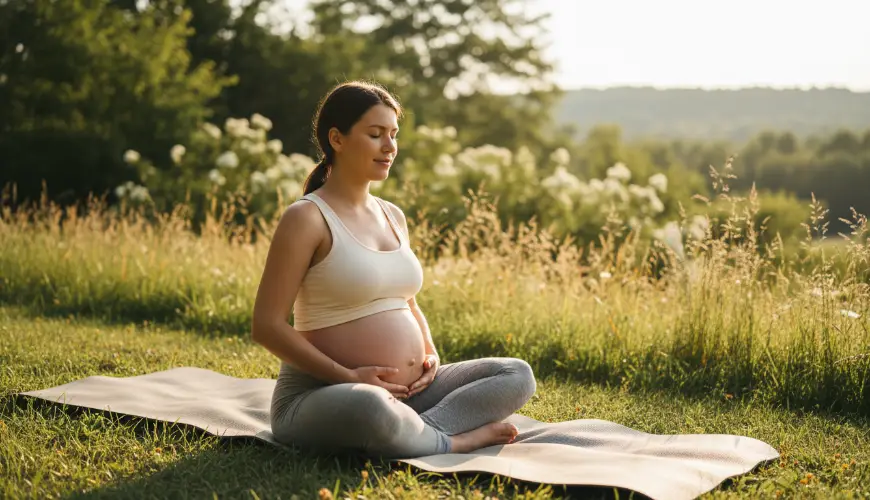
Pregnancy is one of the most beautiful, yet also most demanding periods in a woman's life. The body undergoes enormous changes, hormones affect every aspect of physical and mental wellbeing, and a natural question arises: what can I still allow myself to do? Movement and exercise are among the topics surrounded by countless myths, false advice and unnecessary fears. The truth is that regular, moderate physical activity during pregnancy is not only safe, but directly beneficial – for both the mother and the child.
The World Health Organization recommends that pregnant women without complications get at least 150 minutes of moderately intense aerobic activity per week. This finding is based on extensive research confirming that exercise reduces the risk of gestational diabetes, premature birth, excessive weight gain and postpartum depression. Yet many expectant mothers are afraid of every extra step and prefer to rest, which can paradoxically cause them more harm than exercise itself.
Try our natural products





Why movement during pregnancy is so important
Pregnancy is not an illness. Every woman should repeat this sentence like a mantra, because it perfectly captures the basic philosophy of the approach to exercise during those nine months. Of course, there are situations and diagnoses where bed rest is essential – these will be discussed later – but for a healthy pregnant woman with an uncomplicated pregnancy, exercise is a natural part of the daily routine.
Physical activity during pregnancy brings a whole range of concrete benefits. Strengthening the pelvic floor muscles is one of the most important, as these muscles bear the increasing weight of the uterus and prepare the body for childbirth. Women who exercise them regularly have demonstrably shorter pushing times during labour and a lower risk of incontinence afterwards. Similarly, strengthening the back, glutes and abdominal muscles helps compensate for the changes in centre of gravity that inevitably come with a growing bump.
The psychological dimension cannot be overlooked either. Exercise releases endorphins, lowers cortisol levels and helps manage the anxiety that accompanies pregnancy in many women. Take the example of Martina, a thirty-three-year-old teacher from Brno, who started attending prenatal yoga in her second trimester. "I expected it to help me physically, but I was surprised by how much it helped me mentally. I left every class feeling calmer and more balanced," she described her experience. Such stories are not the exception – they are the rule.
Regular exercise also improves sleep quality, which is notoriously problematic during pregnancy, especially in the third trimester. It helps with leg swelling thanks to better blood circulation, relieves constipation and reduces the intensity of back pain. In short – a woman who exercises feels better during pregnancy, and this is reflected in the baby's wellbeing too.
However, the woman's own attitude towards her body is also important. Pregnancy is not a time for breaking records or starting an intensive training programme from scratch. It is a time for listening – to your body, your doctor and common sense.
What to exercise: suitable activities and why
Generally speaking, the safest forms of exercise during pregnancy are those that do not strain the joints, do not require sudden changes of position and minimise the risk of falling or receiving a blow to the abdomen. Walking comes first, as it is accessible to every woman, requires no equipment or prior fitness level, and can be practised right up to the last days before birth. A brisk thirty-minute walk daily meets the WHO recommendations while placing no strain on the joints or spine.
Swimming and aqua aerobics are other ideal options. Water buoys the body, relieving strain from the back and knees, while also providing natural resistance for muscle strengthening. Many maternity hospitals and aquatic centres offer special prenatal aqua aerobics courses led by qualified instructors who adapt the exercises to each specific trimester.
Prenatal yoga and Pilates are excellent tools for strengthening the deep stabilising system, improving flexibility and practising breathing techniques that will be directly applicable during labour. The key, however, is to choose courses led by instructors with certification in prenatal yoga, as not every position from classical yoga is safe during pregnancy – for example, deep backbends, positions lying on the stomach or intense twists are unsuitable.
Strength training with lighter weights is also possible if the woman was exercising regularly before becoming pregnant. The emphasis should be on correct technique, slow and controlled movements, and avoiding exercises that might involve breath-holding or excessive strain on the pelvic floor. Exercises lying on the back should be reduced or eliminated after the twelfth week, as the heavy uterus can press on the inferior vena cava and restrict blood circulation.
Dancing, nordic walking, light hiking on flat terrain or a stationary bike – all of these belong to the category of activities that suit pregnant women. When choosing a physical activity, it is useful to follow a simple rule: if you are able to hold a normal conversation while exercising and are not completely out of breath, the intensity is probably appropriate.
What to avoid and when rest is essential
Just as there is a list of activities that are beneficial during pregnancy, there is also a list of those that are better avoided. Contact sports such as martial arts, rugby or basketball carry the risk of a blow to the abdomen and are therefore unsuitable. Sports with a high risk of falling – skiing, snowboarding, horse riding, mountaineering or inline skating – are problematic for the same reason, although an experienced rider may discuss individual exceptions with their gynaecologist.
Scuba diving is categorically unsuitable throughout the entire course of pregnancy, because air bubbles formed during decompression sickness can pass through the foetal circulation. Exercising in very hot environments, such as Bikram yoga or saunas, carries the risk of overheating the body, which can have serious consequences for foetal development, particularly in the first trimester.
Intense HIIT interval training, sprints and jumping are not suitable, especially in the second and third trimesters, when the growing bump shifts the centre of gravity and increases the risk of falling. The same applies to exercising at high altitudes, where the oxygen content of the air is lower.
There are also medical conditions in which any physical activity is contraindicated. These include placenta praevia (where the placenta covers the cervix), threatened premature labour, bleeding or premature rupture of membranes, severe pre-eclampsia or uncontrolled gestational hypertension. In these cases, the doctor's recommendations take precedence over everything else, and no general advice from the internet should replace them.
As American gynaecologist and author of a book on prenatal fitness, Dr James Clapp, wrote: "Exercise during pregnancy is not about performance – it is about caring for yourself and the child you are carrying." These words perfectly capture the spirit with which every expectant mother should approach exercise.
Practical recommendations worth remembering can be summarised as follows:
- Always consult your gynaecologist or midwife before starting or changing an exercise programme.
- Drink plenty of fluids before, during and after exercise.
- Avoid exercising in heat and high humidity.
- Listen to your body – pain, dizziness, bleeding or severe shortness of breath are signals to stop the activity immediately.
- Invest in a quality maternity sports bra and comfortable footwear with good arch support.
The transition between trimesters naturally brings the need to adjust both the intensity and type of exercise. In the first trimester, fatigue and nausea are often the main obstacles – in such cases, it is perfectly fine to choose milder activities or allow yourself more rest. In the second trimester, most women feel at their best and it is the ideal time for a regular exercise routine. The third trimester then requires greater caution, slowing down and focusing on preparing the body for birth – this includes pelvic floor exercises, breathing exercises and relaxation techniques.
Information on safe exercise during pregnancy is presented clearly by, for example, the American College of Obstetricians and Gynecologists, whose recommendations are based on the latest clinical findings and are recognised worldwide.
Pregnancy is a unique life stage that deserves respect, care and kindness – towards oneself. Exercise during pregnancy is not a luxury or a gamble, but a natural need of a body working on the greatest project of its life. Women who are unsure where to begin would do well to seek out a prenatal fitness course led by a certified professional – such an investment pays off in the form of better fitness, faster recovery after birth and a more enjoyable experience of the entire pregnancy.