

# Why Vaginal Dryness Occurs Even Without Menopause Vaginal dryness is often associated exclusively

When people talk about vaginal dryness, most automatically picture women in their fifties going through menopause. This is understandable – the decline in estrogen during this period is one of the best-known causes of this problem. But the reality is far more complex and, for many women, surprising: vaginal dryness can affect women of any age, including those in their twenties or thirties who are decades away from menopause. And although it is a condition that significantly impacts quality of life, sexual wellbeing, and mental health, it remains a topic that is rarely discussed.
The silence surrounding this topic has consequences. Young women who experience dryness, burning, or discomfort in their intimate area often don't know where to look for the cause. Sometimes they are even embarrassed to speak with a doctor, feeling that their complaints are "too old" for their age. Yet there are many causes of vaginal dryness in young women, and most are treatable if recognised in time.
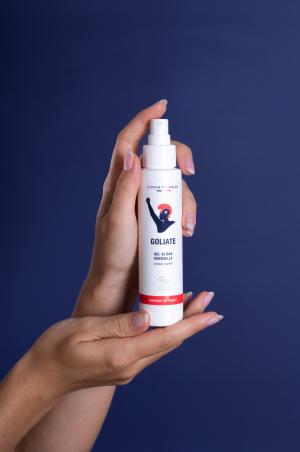
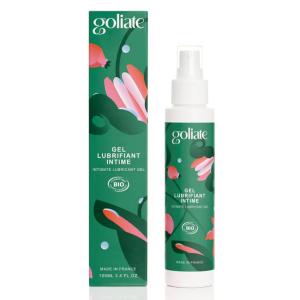
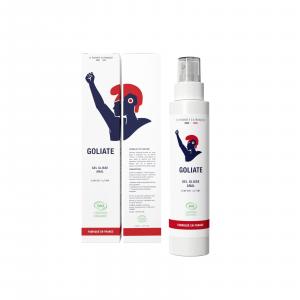
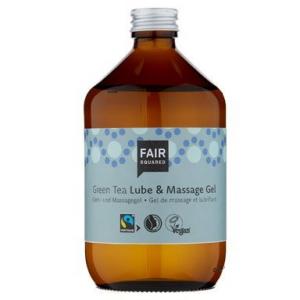
Try our natural products

What is actually happening and why age doesn't matter
The vaginal mucosa is highly sensitive to hormonal changes, particularly to estrogen levels. This hormone ensures that the mucosa remains hydrated, supple, and well supplied with blood. As soon as its level drops – for any reason – the mucosa begins to dry out, becoming thinner and more prone to irritation. Menopause is just one of many conditions that can cause this decline.
One of the most common causes in young women is hormonal contraception. Combined pills, patches, or hormonal intrauterine devices can, in some women, reduce natural estrogen levels or alter tissue sensitivity. According to a review published in The Journal of Sexual Medicine, up to a third of women using hormonal contraception report some form of vaginal discomfort, with dryness among the most frequent complaints. Paradoxically, a method intended to protect sexual health can, in some women, complicate the sexual experience itself.
Another factor that is increasingly relevant today is chronic stress and psychological exhaustion. Cortisol, the stress hormone, directly disrupts the balance of sex hormones. Women going through demanding periods at work, during studies, family crises, or long-term anxiety may notice that their body stops responding as it used to – including in the intimate area. Natural arousal requires calm and safety, and if the nervous system is constantly running at full capacity, physiological lubrication simply falters.
Breastfeeding and the postpartum period act in a similar way. After giving birth, estrogen levels drop dramatically, especially if the woman is breastfeeding, because prolactin suppresses ovarian function. Young mothers therefore very often experience vaginal dryness, pain during intercourse, and general mucosal dryness – even though they may be twenty years away from menopause. This period is usually temporary, but without proper information it can be very distressing.
Hidden causes that are often overlooked
Beyond these relatively well-known factors, there are a number of less obvious causes that doctors and women themselves sometimes miss. These include autoimmune conditions such as Sjögren's syndrome – a systemic disease affecting the exocrine glands that causes dryness not only of the eyes and mouth but also of the vagina. According to data from the Sjögren's Foundation, approximately four million Americans suffer from this condition, the vast majority of them women, and diagnosis is typically made on average four years after the first symptoms appear.
Medications taken for other reasons also play an important role. Antidepressants from the SSRI group, antihistamines, blood pressure medications, or diuretics can cause dryness of the mucous membranes throughout the body as a side effect, including the vagina. This unwanted effect is not always mentioned at the time of prescribing, so women do not connect it with medication they may be taking for allergies or depression.
Inappropriate intimate hygiene must also not be overlooked. Harsh soaps, scented sprays, moist wipes, or excessive vaginal douching disrupt the natural pH of the vaginal environment and damage the protective bacterial flora. The result can be irritation, inflammation, and – paradoxically – dryness itself, even though the woman is using products that were meant to protect her intimate health. The natural vaginal pH ranges between 3.8 and 4.5, and once disrupted, the entire ecosystem can become unbalanced.
Consider a specific scenario: a twenty-eight-year-old woman begins to experience discomfort during intercourse. An infection is ruled out, and a gynaecological examination reveals nothing serious. Yet the problem persists. Only after a longer investigation does it emerge that she changed her contraception a year ago and simultaneously started a new, stressful job. Both circumstances together – a hormonal change and chronic stress – were enough to disrupt natural lubrication. This kind of story is not exceptional; quite the contrary.
The rhetorical question arises of its own accord: How many women go through this cycle of tests, embarrassment, and uncertainty simply because no one told them that vaginal dryness is not exclusively linked to age?
As sexual therapist and author Emily Nagoski aptly noted in her book Come as You Are: "The body is not a machine that functions the same regardless of context. Context is everything." And it is precisely this context – hormonal, psychological, social – that is the key to understanding intimate difficulties in young women.
What can be done
The good news is that vaginal dryness in young women is in most cases treatable once its cause is identified. The first step is an open consultation with a gynaecologist or general practitioner who is willing to address the topic without prejudice. Sometimes it is enough to change the contraceptive method; in other cases, treatment for another condition needs to be adjusted, or work needs to be done on stress management.
From a practical standpoint, there are several approaches that can help even before a specific cause is found. Vaginal moisturisers – gels or creams intended for regular application, not just before intercourse – help maintain mucosal moisture on an ongoing basis. They differ from lubricants, which act in the short term and are intended more for specific situations. Water-based lubricating gels are generally gentler than silicone-based ones, especially if the woman uses latex condoms or silicone devices.
When choosing intimate products, it is worth paying attention to the ingredients. Products free from fragrances, dyes, and harsh preservatives are naturally more suitable for sensitive mucosa. It also makes sense to reconsider everyday hygiene habits – the vagina is self-cleaning, and washing it requires only clean water or a gentle product specifically designed for intimate use with an appropriate pH.
If the dryness is caused by breastfeeding or the postpartum period, a doctor may recommend local estrogen therapy in the form of creams or suppositories. This form of treatment is safe even for breastfeeding women, as the hormone acts only locally and is minimally absorbed into the bloodstream. Nevertheless, consultation with a specialist who can assess the situation individually is always necessary.
If stress or psychological factors are behind the dryness, working with a psychologist or sex therapist can be surprisingly effective. The body and mind are connected far more closely than we are accustomed to acknowledging, and sometimes the best treatment for intimate difficulties is precisely working on psychological wellbeing, setting boundaries, or improving communication within a relationship.
It is worth noting that nutrition and lifestyle play a significant role in hormonal balance. Adequate intake of healthy fats – from avocado, nuts, olive oil, or oily fish, for example – supports the production of sex hormones. Conversely, excessive caloric restriction, extreme physical exertion, or very low body fat percentage can lead to a drop in estrogen and associated difficulties. Female athletes or women following strict diets may therefore be a surprisingly vulnerable group.
The impact on a relationship and mental health is also significant. Pain or discomfort during intercourse leads many women to avoid intimate contact, which can trigger feelings of guilt, inadequacy, or tension within a partnership. Open communication with a partner – even if it feels uncomfortable at first – is one of the most important steps. A problem that is spoken about loses some of its weight.
The topic of vaginal dryness in young women deserves far greater attention than it currently receives – from doctors, the media, and society as a whole. It is not a marginal problem affecting only a small group of women, but a reality encountered by women in a wide variety of life situations, from students to young mothers, from athletes to women being treated for chronic illnesses. The sooner this topic stops being taboo and the more openly it is discussed, the more easily affected women will find the help they have every right to receive.