

Deodorant versus antiperspirant is a choice that affects both comfort and skin health.
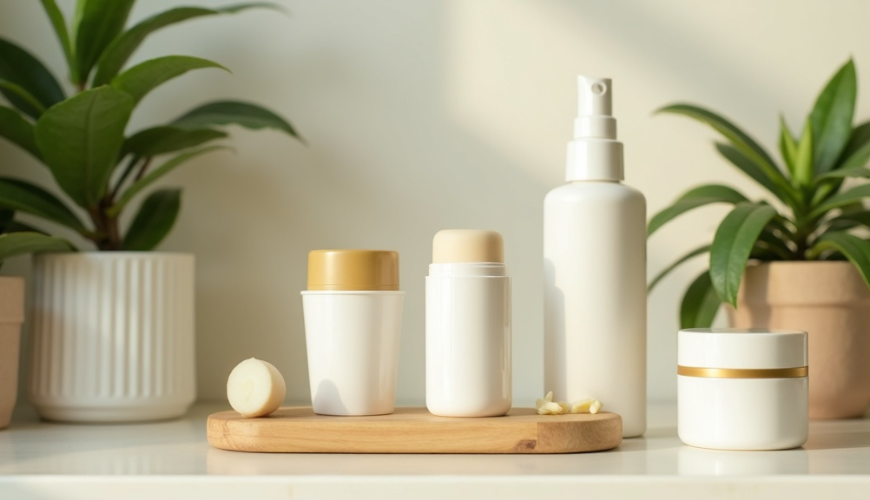
Sweating is one of those bodily functions that we usually only notice when it's inconvenient. In a crowded tram, at a work meeting, or during a hot night. And that's when the question comes up, which is repeated over and over in drugstores and households: deodorant versus antiperspirant – what is actually better, what are the differences and impact on health, and why do so many people lean towards the idea that a natural deodorant makes more sense than a classic antiperspirant? The answer is not black and white, but it can be unraveled quite clearly, without fear-mongering or myths.
First of all, it's good to remember one thing: sweat itself usually doesn't smell. The odor develops when sweat mixes with bacteria on the skin. Stress, hormonal changes, diet, synthetic clothing, or insufficiently breathable layers also play a role. That's why sometimes a person doesn't "feel" the sweat after exercising but is bothered after even a short trip to work. It's not necessarily about the amount of sweat – it's about the conditions that allow it to decompose and leave a trace.
Try our natural products
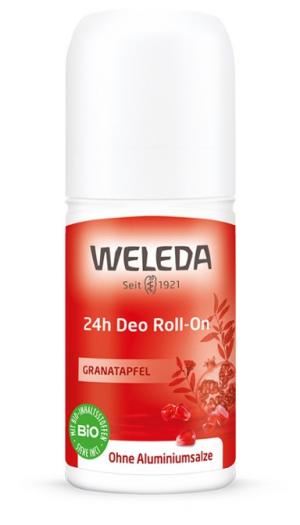

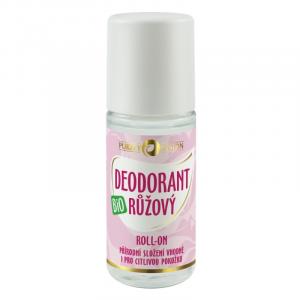
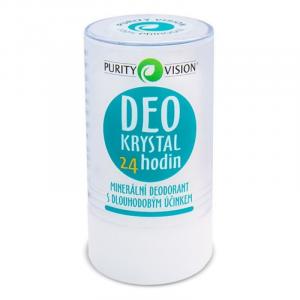
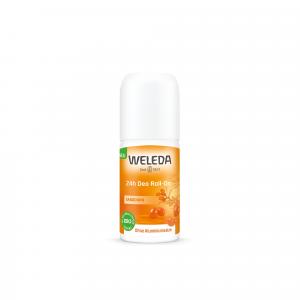
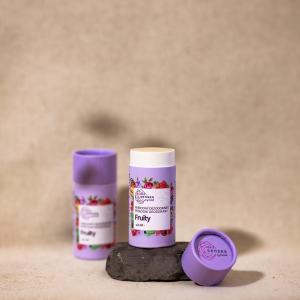
Deodorant versus antiperspirant: how they differ and how they work
The difference between a deodorant and an antiperspirant is surprisingly simple, even though marketing often clouds it. Deodorant primarily aims to address odor. It either masks it with fragrance or (preferably) limits bacterial growth and adjusts the environment in the armpit to reduce odor formation. However, it doesn't stop sweating – and that's actually an advantage for many people.
Antiperspirant takes a different approach: its goal is to reduce sweating. It usually achieves this with aluminum salts (most commonly aluminum chlorohydrate or aluminum zirconium), which create a temporary "plug" at the openings of the sweat glands. The sweat then has no way out, so the armpits may seem drier. Antiperspirants are especially popular among people who sweat significantly or those who want to ensure dryness during formal situations.
But when it comes to "better," it's fair to add that sweating has its purpose. The body uses it to regulate temperature and help maintain a stable internal environment. In the armpits, we don't sweat as much for cooling as on the forehead or back, but it's still a natural process. So the rhetorical question arises: is it always necessary to stop sweat at all costs, or is it enough to work with odor and comfort?
Practically, the method of use also differs. Antiperspirants are often recommended to be applied in the evening on dry skin to have time to "work" overnight. Deodorants, on the other hand, are commonly used in the morning or whenever needed during the day. With natural deodorants, the types vary greatly – some are creamy, others solid, others in spray form – and this also affects the skin feel.
Differences and impact on health: facts, concerns, and what authorities say
The topic of antiperspirants' impact on health regularly resurfaces, mainly due to aluminum. The internet circulates shortcuts like "aluminum = cancer" or "antiperspirant blocks toxins." The reality is more complex, and it's worth sticking to credible sources, not viral claims.
European and global institutions have been long-term investigating the safety of aluminum in cosmetics. Helpful context is provided, for example, by the Opinions of the Scientific Committee on Consumer Safety of the European Commission (SCCS), which regularly evaluates cosmetic ingredients, including aluminum salts. A comprehensible source for the general public is also the information from the American FDA on antiperspirants and deodorants, explaining how these products are regulated.
What does this imply? In the general population, there has yet to be unequivocal evidence that using antiperspirants with aluminum salts alone causes serious diseases. On the other hand, it doesn't mean it's automatically the best choice for everyone. With sensitive skin, antiperspirants can more often cause irritation, stinging, or itching – especially after shaving, when the skin is microscopically disrupted. And that's often where the reason arises why people seek an alternative: not out of fear, but out of the need for comfort and mildness.
Another chapter is fragrance and allergens. Many conventional deodorants and antiperspirants are heavily scented to "mask" potential odor. However, intense fragrance can be problematic for someone – especially if they tend to have eczema, contact dermatitis, or simply don't want the scent mixed with perfume or laundry detergent. In such cases, it makes sense to choose products without fragrance or with a very gentle natural scent.
And what about the often repeated claim that "antiperspirant prevents the body from detoxifying"? It's fair to say that detoxification is a popular word, but from a physiological standpoint, the main work is done by the liver and kidneys. Sweating primarily serves thermoregulation, not as the main "waste system." Still, someone may find it uncomfortable to feel that sweat glands are artificially blocked, and they might prefer a path that leaves the body in its natural regime and addresses only the odor.
Summed up without drama: antiperspirant can be a useful tool if the goal is to minimize moisture. Deodorant is more about feeling fresh while being able to sweat naturally. And if skin sensitivity, ingredient preferences, or lifestyle come into play, it starts making a lot of sense to choose a natural deodorant.
"It's not always necessary to stop sweating; often it's enough to change the conditions in which odor arises."
Why natural deodorant is often better (and when antiperspirant makes sense)
Natural deodorants have made huge strides in recent years. They're no longer just "scented oils" that last half an hour. A quality natural deodorant works with what is truly needed in the armpit: keeping bacteria at bay, calming the skin, and helping absorb moisture without forcefully closing sweat glands.
The most common ingredients found in natural deodorants are baking soda (effective, but irritating for some), magnesium hydroxide (a gentler alternative), zinc (helps against odor), starches or clay (moisture absorption), and caring oils or butters. Gentle natural scents from essential oils are often added – and here, less is sometimes more, especially for sensitive noses and skin.
Why might natural deodorant be better?
Firstly: it respects natural sweating. For many people, it's surprisingly relieving. The armpits aren't "bone dry," but they're comfortable, without an unpleasant odor. It can feel more natural, especially in summer or during sports, where sweating is a normal part of performance.
Secondly: it tends to be gentler on the skin. It's not universally true (for example, soda can be troublesome), but generally, it's easier in natural cosmetics to find options without alcohol, without strong fragrance, and with caring ingredients. Those who have experienced irritation from antiperspirants often describe that switching to a gentler deodorant was a relief for their skin.
Thirdly: it fits into a more sustainable routine. Natural deodorants are often sold in recyclable packaging, sometimes even without plastic, and their composition tends to be more biodegradable. In an environment where the impact of everyday small things is increasingly addressed, this is not a detail. And for online stores focusing on a healthy lifestyle and an eco-friendly household, it's a logical choice: less burden on the body and the bathroom full of waste.
But fairly speaking: when might antiperspirant be better? For example, when someone is dealing with significant sweating that complicates the day, ruins clothes, or lowers self-confidence. In such a situation, an antiperspirant is a practical tool, and there's no reason to be ashamed of it. It also makes sense for specific professions and situations where dryness is crucial (long public appearances, uniforms made of non-breathable material, hot environments without a chance to change clothes). A healthy approach sometimes means not striving for an ideal but finding a functional balance.
Real-life example: when changing deodorant, the routine often changes too
A typical situation: a person switches from a classic antiperspirant to a natural deodorant and is disappointed in the first week. "It doesn't work." However, it often turns out that not only the product has changed, but also the perception of one's body. A natural deodorant usually doesn't make things absolutely dry, and it can take a while to find the right type (with soda, without soda, cream, solid stick, roll-on). Clothing also plays a role – for instance, synthetic shirts can retain odor even after washing, whereas cotton or merino tends to be more forgiving.
Practically, it could look like someone working in an office, commuting by public transport, and sweating a bit on the way. They previously relied on a strong antiperspirant. After switching to a natural deodorant, they find it's essential to pay attention to two things: applying deodorant on clean and dry skin and having a spare breathable material shirt in the bag on hot days. Suddenly, it's not a battle with the body but a slight adjustment of habits. And the result? Armpits are comfortable, the skin is less irritated, and fewer aggressively perfumed sprays are used in the bathroom.
Sure, it doesn't suit everyone the same. But this "transition" scenario is more common than it seems. Natural deodorants aren't a magic wand – they're products that work best when one understands them a bit and chooses the right variant.
How to decide without stress (and without endless testing)
Deciding between deodorant and antiperspirant can be simplified to a few practical questions. Not as a rigid guide, but as orientation, so one doesn't get lost in the aisles and advertising promises.
- If the main problem is odor, often a deodorant is enough (ideally with effective but gentle ingredients) and more breathable clothing.
- If the main problem is moisture and wet spots, an antiperspirant might be appropriate, possibly combined with wardrobe adjustments (materials, cuts, layering).
- If the skin is sensitive or irritated, it's often wise to try a natural deodorant without baking soda or a fragrance-free option.
- If someone sweats significantly and long-term, consulting a dermatologist might be worth considering – sometimes it's a condition that has solutions beyond cosmetics.
Another quiet but important variable enters the scene: expectations. Antiperspirant promises "48 hours of dryness," and one then expects absolute control. A natural deodorant often offers more "comfort and freshness" – and when set like this, satisfaction is paradoxically higher. Not because the natural deodorant is always stronger, but because it promises what it truly provides: a functional compromise between naturalness and effect.
Anyone wanting to go a step further can also pay attention to what's happening outside the bathroom. Adequate hydration, less alcohol, a balanced diet, and quality sleep affect body odor more than is commonly admitted. Similarly, sustainable fashion and material choice: breathable cotton, linen, or merino often help more than another layer of fragrance.
And finally, there's a simple, almost liberating thought: sweating is not a failure. It's a signal that the body is functioning. Sometimes it's enough to choose a product that collaborates with this fact – and that's why for many people, the answer to the deodorant versus antiperspirant dilemma becomes a well-chosen natural deodorant, which doesn't wage war with the body but helps it get through the day with more peace and less burden.