

# What hormonal contraception affects
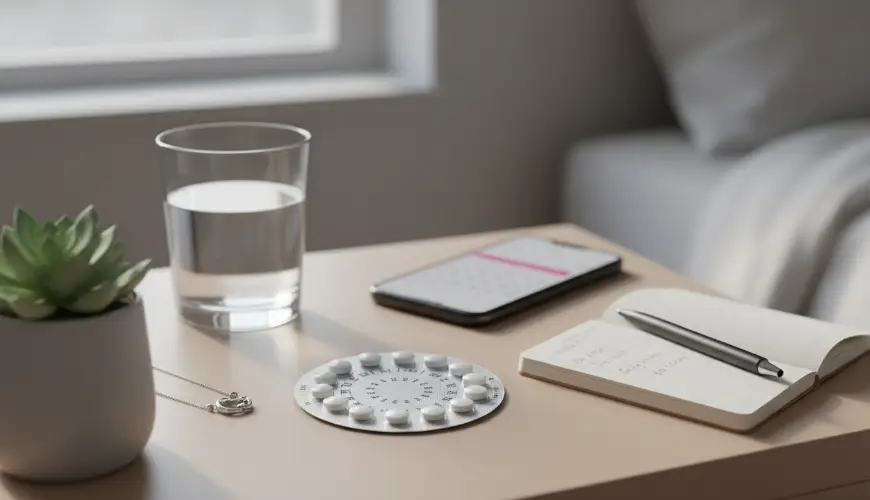
Every day, millions of women around the world swallow it without giving it much thought. A small pill that changed the history of reproduction, sexual freedom, and the position of women in society. Hormonal contraception is undoubtedly one of the most significant pharmacological inventions of the twentieth century – yet the more we learn about it, the more we realize that its effects extend far beyond mere pregnancy prevention. In 2026, we have access to an ever-growing body of studies showing how synthetic hormones affect the gut microbiome, mental well-being, and sexual desire. And this is precisely what needs to be discussed openly.
Before we dive deeper, it's worth recalling what hormonal contraception actually does. Most combined pills contain synthetic estrogen and progestin, which together suppress ovulation, alter the consistency of cervical mucus, and thin the uterine lining. There are also purely progestin-based variants – mini-pills, implants, and hormonal intrauterine devices. All of these preparations intervene in the natural hormonal cycle, and because hormones function as chemical messengers that permeate practically every system in the body, it's not surprising that their influence isn't limited to the reproductive organs alone. What is surprising, however, is the extent to which these effects manifest – and how long it took before the scientific community began paying them genuine attention.
Try our natural products


The Gut Microbiome Under the Influence of Synthetic Hormones
The gut microbiome has been talked about nearly everywhere in recent years – from scientific conferences to lifestyle magazines. And rightly so. The trillions of bacteria, viruses, and fungi that inhabit our digestive tract influence immunity, metabolism, nutrient absorption, and even mood through the so-called gut–brain axis. What many people don't realize, however, is that hormonal contraception can significantly alter the composition of this microbial ecosystem.
Research published in the journal Gut Microbes in 2024 confirmed that women who had been using combined hormonal contraception long-term exhibited different representation of key bacterial strains compared to women who were not using contraception. Specifically, a decrease in microbial population diversity was observed, along with a decline in certain beneficial bacteria from the genera Lactobacillus and Bifidobacterium, which play a crucial role in maintaining a healthy gut barrier. Conversely, there was an increase in bacteria associated with inflammation.
The mechanism by which this occurs has not yet been fully elucidated, but scientists hypothesize that synthetic estrogens and progestins may alter the pH environment in the gut, influence bile acid production, and modulate the immune response of the intestinal mucosa. It's also important to mention that changes in the microbiome are not necessarily irreversible – after discontinuing contraception, the composition of gut flora in most women gradually returns to its original state, although this process can take months.
The practical impact? Some women notice digestive issues after starting hormonal contraception – bloating, irregular bowel movements, increased sensitivity to certain foods. These symptoms are often overlooked or attributed to stress or diet, but it's worth considering the role of contraception as well. Interestingly, the World Gastroenterology Organisation in its latest 2025 recommendations mentioned hormonal preparations for the first time as one of the factors that can affect gut microbiome balance.
Here's a concrete example. Tereza, a thirty-year-old graphic designer from Brno, took the combined pill continuously for twelve years. She gradually got used to chronic bloating and occasional abdominal pain, which she considered "normal." It was only when, on her gynecologist's recommendation, she temporarily stopped the contraception that she noticed her digestive issues had almost disappeared within a few months. "It never occurred to me that it could be connected to the pill," she says. Her experience is, of course, not scientific proof, but it illustrates how easily we can overlook connections that no one points out to us.
Those interested in supporting their gut microbiome can reach for probiotic foods and dietary supplements that help maintain a healthy balance of gut flora. Fermented foods such as kefir, sauerkraut, or kombucha represent a natural way to benefit the gut – and not only for women using hormonal contraception.
Mood, Anxiety, and Depression: The Side Effect That's Rarely Discussed
If you've ever read the package insert for hormonal contraception, you've probably found a mention of "mood changes" somewhere between headache and breast tenderness. But this wording is far from capturing what some women actually experience. For some of them, starting hormonal contraception means a descent into a state of chronic irritability, anxiety, or even clinical depression.
A groundbreaking Danish study from 2016, published in JAMA Psychiatry and involving more than one million women, showed that users of hormonal contraception had a 23% higher risk of being diagnosed with depression compared to women who were not using contraception. Among adolescents, this risk was even higher. The study sparked an enormous debate, and since then, dozens of additional studies have been conducted that refine these findings.
In 2025, a large-scale meta-analysis published in The Lancet Psychiatry brought further important insights. It confirmed that the association between hormonal contraception and depressive symptoms exists but emphasized that the degree of risk varies significantly depending on the type of preparation, the woman's age, and her individual sensitivity to hormonal changes. Purely progestin-based methods, particularly depot injections, were associated with a higher risk than combined pills. Hormonal intrauterine devices with a low dose of levonorgestrel, on the other hand, showed the lowest risk of psychological side effects.
How is this possible? Synthetic hormones cross the blood-brain barrier and directly affect neurotransmitter systems in the brain. Progestins can alter levels of serotonin, GABA, and dopamine – precisely the substances that regulate mood, anxiety, and the sense of well-being. Moreover, suppressing the natural cycle means that a woman loses the physiological hormonal fluctuations which – although they can sometimes be unpleasant – serve a function in regulating emotional experience.
As Professor of Psychiatry John Studd from the University of London noted: "For too long, we have ignored women's emotional brains when prescribing hormonal contraception. It is time we started listening to what our patients are telling us."
This doesn't mean that hormonal contraception causes depression in every woman who takes it. The majority of users have no significant psychological issues. The problem is that those who do experience problems are often dismissed with words like "it's just stress" or "that's not related to the pill." Yet it is precisely open communication between doctor and patient about possible psychological side effects that is key to enabling every woman to make an informed decision.
For women who experience mood changes and are looking for natural ways to support mental well-being, adaptogens, herbs such as saffron or ashwagandha, and of course regular exercise, quality sleep, and stress management techniques can be helpful. Even small changes in daily routine – a morning walk, meditation, reducing caffeine – can make a surprising difference.
Current research also suggests an interesting connection between the gut microbiome and mental health. Because gut bacteria produce a significant portion of the body's serotonin and communicate with the brain via the vagus nerve, it is possible that changes in the microbiome caused by hormonal contraception indirectly contribute to mood changes as well. This hypothesis is still under investigation, but if confirmed, it could open new possibilities for prevention – for example, targeted probiotic supplementation for women who are starting hormonal contraception.
What Happens to Libido
And then there's the topic that is discussed perhaps even less than mood – decreased sexual desire. There's a peculiar irony in this: contraception, which is meant to enable women to enjoy a free sexual life without fear of unwanted pregnancy, can significantly dampen sexual desire in some of them.
The mechanism is fairly well described. Hormonal contraception increases the production of the protein SHBG (sex hormone-binding globulin) in the liver. This protein binds to free testosterone – a hormone that plays a key role in female libido – and renders it biologically unavailable. The result is a reduction in free testosterone levels, which in some women manifests as decreased sexual desire, reduced arousal, and greater difficulty reaching orgasm.
A concerning finding came from a study in the Journal of Sexual Medicine, which showed that SHBG levels remain elevated even months after discontinuing hormonal contraception. This means that the decline in libido may not subside immediately after stopping use but can persist. In most women, the situation normalizes over time, but in some, the changes may last longer.
It's important to add that libido is a complex matter influenced not only by hormones but also by relationship quality, stress, self-confidence, fatigue, and a whole range of other factors. One therefore cannot automatically blame contraception for every decline in sexual desire. On the other hand, it is legitimate and important for women to know that this side effect exists and that they are not "broken" if they experience it.
In practice, many women attribute their decreased libido for a long time to work stress, relationship routine, or simply "that's just how I am." It's only after stopping contraception that they discover their sexual desire has returned to a level they could no longer even remember. This experience is a genuine surprise for many of them – and at the same time a source of frustration that no one warned them about this possibility beforehand.
What can be done? If a woman experiences a significant decline in libido and is considering changing her contraception, it makes sense to consult with a gynecologist about switching to a method with a lower hormone dose or to a non-hormonal alternative, such as a copper intrauterine device. Some women find their way to restored libido through natural support as well – ensuring adequate zinc and vitamin D in their diet, reducing stress, or strengthening the pelvic floor, which can improve the perception of sexual sensations.
The overall view of hormonal contraception in 2026 is therefore far more nuanced than it used to be. The point is not to demonize contraception – for millions of women, it represents a safe, effective, and vitally important method of family planning. The point is that the decision to use it should be truly informed. That women should know that alongside reliable protection against pregnancy, changes may also occur that affect their digestion, mood, and intimate life. And that they should have access to supportive resources – whether that means quality probiotics, natural supplements for hormonal balance, or simply an open conversation with a doctor who won't trivialize their experience.
Science is moving forward, and with it our understanding of how synthetic hormones interact with the entire body. Every woman deserves access to up-to-date information so she can make decisions about her health with full awareness of all the connections. And perhaps that is the most important side effect you can take away from this text – the desire to ask questions and seek answers that truly fit you.