
How to Care for Your Body Naturally During Menstruation to Relieve Discomfort and Improve Well-being
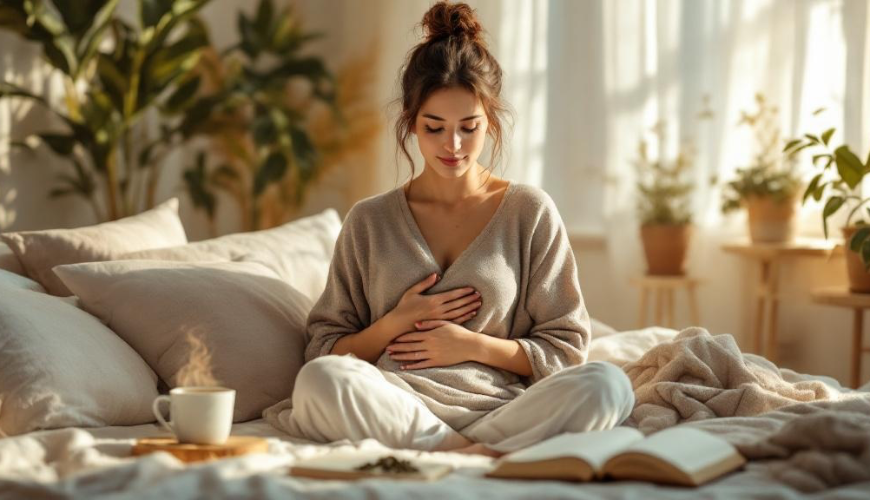
Menstruation is often marked with a subtle dot on the calendar, but in the body, it often represents several days when energy, mood, and sensitivity to stimuli change. That's why it makes sense to think about how to care for your body naturally during menstruation — not as another list of duties, but as a way to relieve yourself and feel more stable within your possibilities. In recent years, there’s been more discussion about how menstruation and body care are much more interconnected than previously acknowledged: from sleep and diet to mental health and the choice of hygiene and cosmetic products.
A natural approach does not mean "suffer and endure." On the contrary. It means listening to the body's signals, working with them, and choosing tools that do not unnecessarily irritate the body — whether it’s scented pads, aggressive washing gels, or pressure to perform on days when the body calls for slowing down. If the question arises why it’s better to choose a natural path, the answer often doesn’t lie in a single miraculous herb but in a collection of small decisions that together make a big difference.
Try our natural products
Menstruation as a period when the body needs a different regime
During the cycle, hormone levels naturally change, which affects how the body manages energy, responds to stress, or perceives pain. Menstruation is a phase when the uterine lining is shed, and the body physiologically "cleanses" itself — and although it is a normal process, it can be accompanied by cramps, fatigue, breast sensitivity, back pain, digestive changes, or mood swings. It’s no wonder that during these days, many people naturally gravitate towards simpler meals, warmer clothing layers, and a calmer pace.
Natural body care, even during menstruation, is based on a simple idea: minimize anything that unnecessarily burdens the body and add what supports comfort. Sometimes this means swapping a scented shower gel for a gentler option, other times it means enjoying a warm compress on the lower abdomen, changing exercise intensity, or allowing yourself to lie down earlier without guilt. It sounds trivial, but long-term well-being often rests on such trivialities.
A natural approach is also practical in terms of preventing irritation. The skin and mucous membranes in the intimate area can be more sensitive during menstruation, and more frequent contact with moisture or friction can increase the risk of discomfort. Therefore, it makes sense to choose gentle, unscented products and breathable materials that do not create a "greenhouse effect."
"The best care is one that respects that the body has different needs on different days."
For those seeking authoritative sources on the topic of cycles and health, a useful resource is the overview of the menstrual cycle and common issues on the Mayo Clinic website or general information about menstruation on the WHO site (a good foundation for a broader context of menstrual health).
How to care for your body naturally during menstruation: small changes with big effects
It starts with things done automatically: showering, hygiene, clothing, food, movement. And it’s here that one can quickly see why it’s sometimes better to reduce intensity and increase gentleness.
When talking about cosmetics during menstruation, it’s not about stopping washing or "enduring." It’s about choosing the right products. Gentle washing without strong fragrances and aggressive surfactants is often more suitable for this sensitive period. The intimate area has its own natural microflora, and an overly intense "disinfecting" approach can disrupt it. In practice, this means avoiding fragranced intimate sprays and choosing gentler washing products, ideally with simple compositions. Similarly, more frequent changing of menstrual products and choosing breathable underwear can help — because comfort sometimes does more than anything else.
Then there's warmth, the old reliable helper. A warm hot water bottle on the lower abdomen, a heated pillow, or a warm bath (if it suits you) can relieve cramps and tension in the lower back. Alongside this, gentle movement often proves beneficial: a short walk, relaxing yoga, gentle stretching. It’s not about performance, but about ensuring the body doesn’t "get stuck" in tension. On some days, rest may be the best choice, while on others, light movement might be better.
A big topic is also food and hydration. During menstruation, water retention can worsen, cravings for sweet or salty foods may arise, and digestion behaves differently than usual. Natural care here means a return to simplicity: warm meals, plenty of fluids, limiting alcohol and very spicy or heavy dishes if they worsen nausea or bloating. Some people benefit from more magnesium in their diet, others from ginger tea, and others from more regular smaller portions. The body often tells you what it needs — you just need to give it space.
And what about fatigue? It’s often underestimated. Menstruation can be energetically demanding, and sometimes lower iron levels add to the mix, especially with heavy bleeding. There’s no need to turn every cycle into a medical project, but if fatigue is recurring and pronounced, it’s worth addressing it with a professional. For basic orientation, a useful resource is the overview of iron deficiency on the NHS website — it’s written clearly and helps distinguish between ordinary fatigue and situations where it’s wise to be alert.
Natural care also includes mental health, even if it sounds like a cliché. Menstruation can bring sensitivity, irritability, or sadness to the surface. In such moments, it often helps to reduce the number of stimuli, allow for a calmer schedule, and not put extra pressure on yourself. A rhetorical question arises naturally: when the body is doing a lot of work, is it really necessary to pretend nothing is happening?
A real-life illustration can be a common office scenario. Imagine a day full of meetings, the air conditioning running full blast, only coffee and cookies in the kitchen, and cramps setting in. One approach is to "survive it" with another espresso. The other is to make two small changes: have a warm tea (like ginger or lemon balm), have something warm and simpler for lunch, and take a ten-minute walk or at least stretch. It won’t change the world, but it often changes the afternoon. And that’s what a natural approach is about — small choices that are realistically achievable.
Menstrual products and skin: why it’s better to choose gentler options
When you say "natural," many people automatically think of herbs. But during menstruation, materials and chemicals in products that stay in contact with intimate areas for long hours also play a big role. Why is it better to prefer gentler and more sustainable options? Often for comfort, lower risk of irritation, and also because of the waste that common disposable products create.
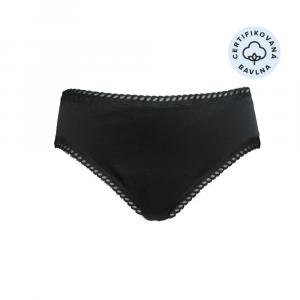
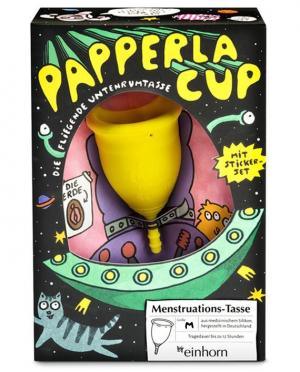
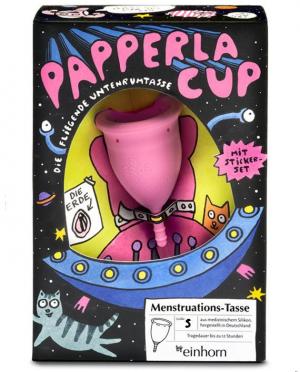
For some, a menstrual cup works well, for others menstrual panties, and others prefer pads made from natural materials. The important thing is that the product suits the lifestyle and body — and that the person feels safe with it. Some appreciate that panties are breathable and unscented, others that the cup, when used correctly, lasts long and is economical. Whatever the choice, the common denominator is the effort for fewer irritating ingredients and more comfort.
It’s similar with underwear and clothing. During menstruation, sensitivity to pressure around the waist can change, and tight cuts may bother some people. Breathable materials, a comfortable waist, and layering according to temperature can improve the day more than "heroically" enduring discomfort. Sustainable fashion is not just about aesthetics — it’s also about how clothing wears on the body. Natural materials like cotton (ideally in a quality finish) or bamboo viscose can be more pleasant for sensitive skin, especially if prone to irritation.
If sensitive skin in general is also a factor, sometimes simplifying skin care helps: less fragrance, fewer "active" products, more hydration, and protection of the skin barrier. Menstruation itself isn’t a reason to panic over a cosmetic bag, but it’s a period when it’s worth being a bit kinder to the skin.
A list that can actually be used
- Gentle washing and unscented products in the intimate area to avoid unnecessary irritation of the skin and microflora
- Warmth on the lower abdomen and a calmer pace when cramps or fatigue occur
- Light movement (walking, stretching) if the body doesn’t want complete rest
- Warm and simple food + plenty of fluids, especially when bloating or cravings occur
- Breathable underwear and suitable menstrual products that fit sensitivity and daily routine
Try our natural products
Natural body care during menstruation is not a trend, but a healthy instinct
Sometimes a natural approach is talked about as a fashion wave. However, in practice, it often comes from ordinary observation: when the body is more sensitive, less chemistry and more gentleness is usually more pleasant. And when someone is tired, pressure to perform usually doesn’t help. Natural care is not a competition in perfection or a test of willpower; it’s an effort to align daily habits with what the body currently needs.
It’s also important to say out loud that severe pain, excessive bleeding, or recurring issues are not "normal dues." If menstruation significantly limits everyday functioning, consulting a gynecologist is appropriate. Natural methods can be great support, but they are not meant to replace professional care where needed.
But when we talk about the ordinary days of the cycle, a natural approach often means more freedom paradoxically: not being tied to fragranced products that irritate, not having to deal with waste from disposable products after each use, not pushing oneself with training that doesn’t make sense now, and allowing yourself warm food and early sleep without feeling like you're "slacking off." In such moments, the answer to why it’s better to care for yourself naturally during menstruation appears by itself — simply because the body feels more secure, and everyday life is a bit easier. And that’s an advantage that counts, even if it doesn’t fit into any chart.