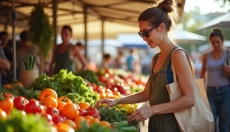

Why Sustainable Gifts Bring Greater Joy
Every year, the same ritual repeats itself. Holidays, birthdays, or anniversaries come around, and with them arrives the quiet anxiety of the question: what to actually buy? Shops are full of shiny boxes and tempting discounts, but honestly – how many of those gifts truly survive longer than a few months? How many of them end up in a drawer, in the attic, or in a bin before the next anniversary? Sustainable gifts are not just a fashion trend or an ecological pose – they are an answer to a deeply human need to give meaningfully, without gift-giving meaning adding more clutter to the world and to the homes of our loved ones.
According to data from the European Environment Agency, the average European produces over 180 kilograms of municipal waste per year, with a large portion of this amount coming precisely from packaging and short-lived products. Gifts play a not insignificant role in this figure. This is not about moralising – it's about taking a practical look at how to give better, with greater impact and a smaller ecological footprint.
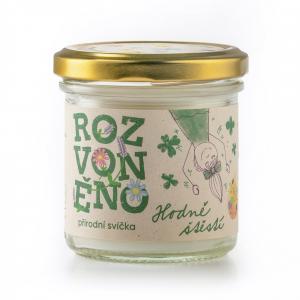
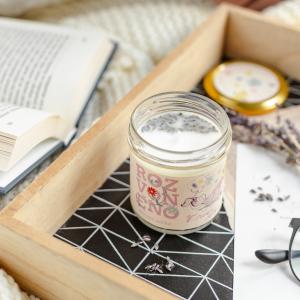
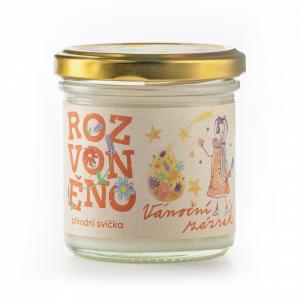
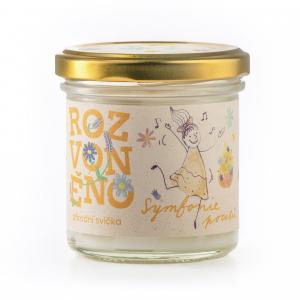
Try our natural products
What does "sustainable gift" actually mean?
The word "sustainable" appears everywhere today, and its original meaning sometimes gets lost in a marketing haze. In the context of gift-giving, however, it means one specific thing: a gift that brings joy or value without burdening either the recipient or the planet. It can be an object made from natural or recycled materials, but equally an experience, education, time, or a service. The key is that the gift has meaning – that it's not just filler under the Christmas tree or in a gift bag at a party.
Interestingly, this approach to giving is not new at all. Just a hundred years ago, it was perfectly common to give things that were handmade, durable, or functional – hand-sewn clothing, jars of homemade jam, repaired clocks. The consumer culture of the second half of the 20th century replaced this custom with mass-produced products, and we are now, with some delay, returning to the original wisdom: less, but better.
Writer and philosopher Alain de Botton put it simply: "The best gifts are not the most expensive or the most original, but those that show you paid attention." And it is precisely attention – knowing what the other person truly needs or what would delight them – that is the foundation of every meaningful gift, whether ecological or not.
Let's take a specific example. Jana, a thirty-three-year-old graphic designer from Brno, decided two years ago to stop buying "classic" gifts. Instead of mugs with funny prints and scented candles (that nobody uses), she began giving her friends pottery courses, annual subscriptions to a favourite app, or a set of quality herbal teas from a local grower. The reactions were surprised at first, but over time her friends told her that these were the gifts they remembered the longest. None of them ended up in a box in the attic.
Experiences instead of things – gift-giving that doesn't take up space
The biggest revolution in the sustainable gift-giving approach is the shift away from physical objects towards experiences. Experiences don't take up space in a flat, they can't be thrown away, and their value lies not in the material but in the moment. A ticket to a theatre performance, a cooking lesson, a weekend trip to the mountains, a massage, or a workshop on making natural soap – these are all gifts that enrich the recipient's life without adding a single gram of waste to the world.
Research in the field of positive psychology, for example the work of Professor Thomas Gilovich from Cornell University, has long confirmed that experiences bring people greater and more lasting happiness than things. Experiences become part of our identity; we tell stories about them and share them with others. Things wear out, age, and stop bringing joy. An experience remains.
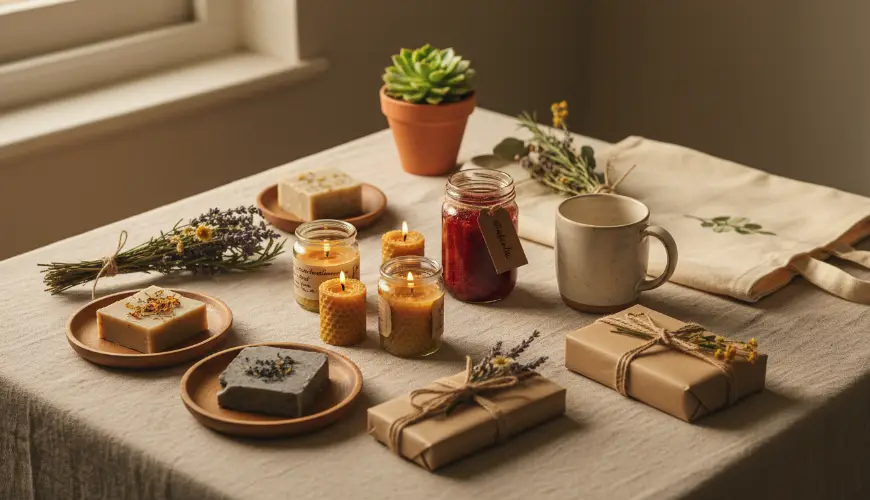
If you still want to give something tangible, there is a whole range of ways to do so thoughtfully. Natural cosmetics without unnecessary chemicals and in minimalist packaging, beeswax instead of paraffin candles, handmade items from local artisans, organic foods, or quality textiles from certified sustainable sources – these are all things that have meaning, a story, and value that extends beyond the moment of unwrapping. At Ferwer.cz, for example, you can find a carefully curated range of precisely such products, from ecological household items to sustainable fashion, where every piece has its origin and purpose.
An important category also includes things that the recipient will actually consume or use in everyday life. Quality beeswax, natural soap, a bamboo toothbrush, or a set of fabric bags instead of plastic ones – these are gifts that fit into life naturally without adding clutter. They are things a person would buy anyway, just in a better, more considerate version.
How to give smartly – practical tips without ecological preaching
Talking about sustainable gift-giving is one thing, but putting it into practice requires a bit of thinking ahead. It's not complicated, but it requires breaking the habit of reaching for the first thing on the display stand by the checkout. A few simple principles can make the whole process easier.
The first step is to listen. People constantly say what they'd like to experience, what they're missing, or what they'd like to try. You just need to remember it. The second principle is to prioritise quality over quantity – one nice, thoughtful gift always carries more weight than a basket full of cheap trinkets. The third principle is to think about the gift's life cycle: where it was made, from what, how long it will last, and what will happen to it once it's served its purpose.
A special category includes gifts in the form of support – a contribution towards adopting an animal at a rescue shelter, a donation to a charitable organisation in the recipient's name, or a subscription to community-supported agriculture (a so-called CSA box), where a family receives fresh vegetables every week directly from a farmer. These gifts have no physical form, but their impact is real and measurable.
A very practical solution also includes gifts in the form of your own time. Offering to drive your grandmother to the shops every week, promising a friend you'll help with their flat renovation, or preparing a home-cooked dinner for the family – these are gifts that require no wrapping, no transport, and no manufacturing. And yet they tend to be the most valuable.
When it comes to wrapping, there is also room for meaningful decisions here. Recycled paper, the fabric furoshiki technique (a Japanese method of wrapping in a cloth that becomes part of the gift), or simply a nice box that can be reused – all of this reduces the amount of waste and adds a distinctive character to the gift. Plastic film and non-reusable gift bags are a relic that can be easily replaced.
It's also worth mentioning the phenomenon of the so-called "white elephant" – a term for a gift that nobody wants but nobody wants to get rid of. This tradition essentially describes the problem precisely: we receive something we don't need, we feel obligated to keep it, and the result is the quiet accumulation of valueless things. Sustainable gift-giving breaks this cycle by asking the question before the purchase: does this person really need it? Will they really use it? If the answer isn't a clear "yes," it's time to think differently.
Finally, it's worth remembering that sustainable gifts are not the preserve of high-income earners or environmental activists. They are accessible to anyone who is willing to pay a little more attention and rush a little less. Homemade jam, a handwritten letter, a trip into nature with friends, or simply time spent together – these are gifts that don't cost much but leave a mark. And that is precisely the essence of meaningful giving: not volume, not price, but the intention and attention with which the gift was chosen or created.
The holidays will come again, whether we like it or not. But next time, before we reach for the first thing on the shelf, it's worth pausing for a moment and asking: what would truly delight that person? What would bring them joy that lasts longer than a week? The answer to this question is also the answer to what a sustainable gift is – not a product category, but a way of thinking.