

# Zone 2 Training Will Change Your Perspective on Exercise

Most people who start exercising regularly make the same mistake. They head out for a run at a pace that leaves them breathless after a few minutes, or they throw themselves into interval training because "that's what the pros do." The result? Overworked muscles, fatigue, and a loss of motivation after a few weeks. Yet there is an approach that physiologists and elite athletes have known about for decades, but which has only recently broken into the mainstream. It's called Zone 2 training, and it's quietly changing the way we think about endurance exercise.
This is not some passing trend or a new app. It's about understanding how the human body actually burns energy and how it adapts to physical stress. And what's most interesting about it — this approach is accessible to absolutely everyone, regardless of age, fitness level, or athletic background.
Try our natural products
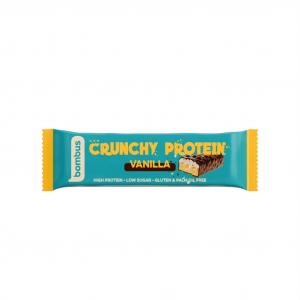


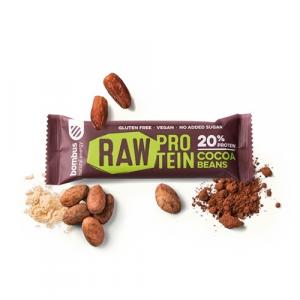
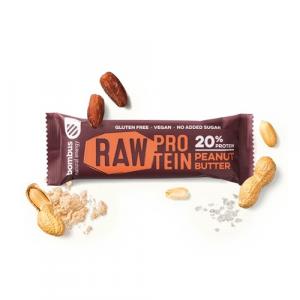
What exactly Zone 2 means and why it matters
The human body operates in different energy modes during movement. These modes are referred to as training zones and are generally divided into five levels based on exercise intensity, measured by heart rate or perceived exertion. Zone 2 corresponds to approximately 60–70% of maximum heart rate — meaning a pace at which a person can still breathe comfortably, hold a conversation, and doesn't feel a burning sense of fatigue.
At first glance, this sounds almost too simple. But it is precisely within this intensity range that something fascinating occurs: the body primarily burns fat as an energy source while simultaneously training the mitochondria — the tiny "power plants" in every cell — to work more efficiently. Mitochondria are responsible for converting nutrients into ATP, the energy that muscles actually use. The more functional mitochondria a person has, and the better they work, the greater their aerobic capacity, the better their recovery, and the lower their risk of a wide range of metabolic diseases.
World-renowned physician and longevity expert Peter Attia, in his podcast and book Outlive, repeatedly emphasises that Zone 2 training is one of the most important tools for long-term health. According to him, aerobic capacity — measured as VO₂ max — is one of the strongest predictors of both the length and quality of life. And Zone 2 training forms the foundation for developing it.
Physiologist Iñigo San Millán, who has worked with Tour de France cyclists, brought this concept to wider attention. His research shows that elite endurance athletes spend up to 80% of their training volume in Zone 2, with the remaining 20% dedicated to high-intensity efforts. This approach is known as polarised training, and the results it delivers are remarkable — both for professionals and recreational athletes alike.
But what does this mean for someone who isn't a professional cyclist, but perhaps a forty-something office worker who simply wants to improve their fitness and feel better? This is where the truly interesting part of the story begins.
How Zone 2 works in practice and why people so easily overlook it
The paradox of Zone 2 is that for many people it feels too slow to take seriously, yet at the same time too demanding to maintain correctly. When someone first tries running or cycling at a pace corresponding to Zone 2, they are often surprised by how slowly they need to go. Many beginners discover that their "comfortable" pace is actually Zone 3 or even Zone 4 — an intensity at which the body shifts to burning glucose and begins producing lactate faster than it can be cleared.
This is precisely why accurately identifying Zone 2 matters. The simplest method is the so-called talk test — if a person can speak in full, flowing sentences without becoming breathless during exercise, they are likely in Zone 2. A more precise method involves monitoring heart rate. A simplified formula for calculating maximum heart rate is 220 minus age, with 60–70% of that figure corresponding to Zone 2. For example, a thirty-year-old has an approximate maximum heart rate of 190 beats per minute, placing their Zone 2 roughly between 114 and 133 beats.
Consider a concrete example: Jana is a forty-two-year-old teacher who has never competed in sport, but decided to start running regularly. At first, she tried to keep up with the pace she saw from other runners in the park, and always came home exhausted with aching muscles. When she learned about Zone 2 training and began running much more slowly — at times to the point where walkers overtook her — she was sceptical. After eight weeks, however, she found that at the same heart rate she was running a full minute per kilometre faster than when she started. Her body had adapted. The mitochondria were working more efficiently, her aerobic base had expanded, and Jana no longer felt drained after training — quite the opposite, she felt refreshed.
This effect is no coincidence. Regular Zone 2 training literally changes the structure of muscle fibres — it increases mitochondrial density and improves the body's ability to utilise oxygen. Studies published in the Journal of Applied Physiology have repeatedly confirmed that aerobic adaptations achieved through low-intensity training form the foundation for all higher-level performance.
Another reason Zone 2 escaped the attention of the general public is the cultural mindset of the sporting world. The fitness industry long promoted the motto "no pain, no gain." HIIT workouts, CrossFit, and intense group classes are appealing because they deliver an immediate sense of achievement and an adrenaline rush. Zone 2, by contrast, is understated — almost boring. But as the old saying goes: still waters run deep. And it is precisely this quiet, unassuming work that delivers results which reveal themselves over months and years.
Practically incorporating Zone 2 into everyday life
One of the greatest strengths of this approach is its accessibility. Zone 2 training requires no expensive equipment, gym membership, or specialist clothing. It can be done through walking, brisk strolling, cycling, swimming, rowing, or running — the only requirement is that the intensity remains within the appropriate range.
The recommended weekly volume is around 150 to 180 minutes spread across three or four sessions. The World Health Organization, in its physical activity recommendations, lists 150 minutes of moderate-intensity aerobic activity per week as the minimum threshold for maintaining health — and Zone 2 training meets this requirement precisely, while also delivering additional metabolic benefits.
For people with sedentary jobs or those returning to exercise after a long break, the ideal starting point is thirty-minute brisk walks. The key is consistency, not intensity. The body needs time to adapt, and changes at the cellular level don't happen overnight — but after six to twelve weeks of regular exercise, the results are measurable and tangible.
Interestingly, Zone 2 training has demonstrable positive effects not only on physical fitness but also on mental health. Moderate aerobic activity supports the production of BDNF (brain-derived neurotrophic factor), which contributes to neuroplasticity and may help in the prevention of depression and anxiety, as shown by studies summarised at Harvard Health Publishing, among others. Exercise at a comfortable intensity that leaves no sense of exhaustion is also easier to sustain long-term as part of a lifestyle.
The choice of appropriate equipment and clothing also plays a role. Comfortable functional clothing made from natural or recycled materials, quality shoes suited to the chosen activity, and optionally a simple sports watch or app for monitoring heart rate are all that's needed. There's no need to invest thousands in high-tech gadgets — basic intensity tracking can be handled by a smartphone with a free app.
It's also worth mentioning the context of an overall healthy lifestyle. Zone 2 training works best in combination with quality sleep, a varied nutrient-rich diet, and a sensible approach to recovery. Exercise is just one part of a broader picture — and that is precisely why it can be naturally integrated with other aspects of self-care, from food choices and eco-friendly household products to a mindful approach to one's own body and the environment we live in.
Perhaps the most important message of Zone 2 training is not so much physiological as it is philosophical. In an age when we are accustomed to seeking quick fixes, instant results, and maximum intensity, this approach reminds us that patience and consistency hold irreplaceable value. That slow progress is still progress. And that building genuine fitness is not a sprint, but a marathon — in the most literal sense of the word.