
# Why Does the Hip Hurt When Lying on Your Side and What to Do About It ## Most Common Causes ###
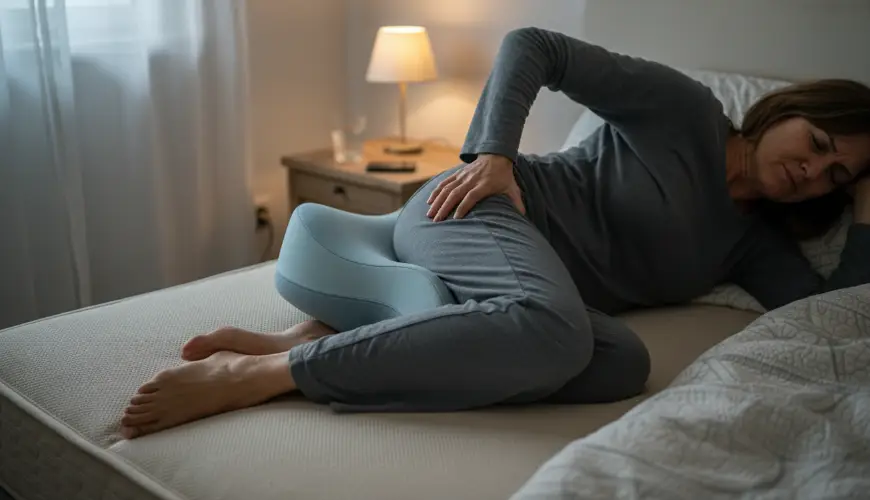
Do you wake up in the middle of the night with a burning pain in your hip? Or simply can't find a position where your hip stops bothering you? This unpleasant suffering is familiar to far more people than one might think. Hip pain when lying on your side is among the common complaints that can significantly disrupt the quality of sleep and everyday life – and one of the most frequent causes is hip joint bursitis.
Bursitis is an inflammation of the bursa – a small fluid-filled sac that serves as a shock absorber between bones, tendons, and muscles. In the hip area, we most commonly encounter so-called trochanteric bursitis, in which the inflamed bursa is located above the greater trochanter – a bony prominence on the outer side of the thigh bone. This is precisely the area that comes into direct contact with the mattress when sleeping on your side, which is why the pain worsens so much at night.
Try our natural products


What's really behind the pain
There can be many reasons why a bursa begins to respond with inflammation. Most commonly, it involves repetitive overloading or direct pressure on the hip – whether due to sports, prolonged sitting, inappropriate footwear, or an unfavorable sleeping position. Risk factors also include muscle imbalances, shortened muscles around the hip, scoliosis, or a difference in leg length. Women are more susceptible to trochanteric bursitis than men, partly due to their wider pelvis, which changes the angle at which tendons pass over the trochanter.
Interestingly, the pain is not always concentrated directly in the hip joint. Many people describe rather a diffuse pain on the outer side of the thigh, which can radiate down to the knee. It tends to be dull and gnawing, but with direct pressure or movement it can turn into a sharp, burning sensation. This characteristic distinguishes bursitis from other causes of hip pain, such as osteoarthritis or a herniated disc, where pain typically radiates in a different direction.
Petra, a forty-four-year-old accountant from Brno, could tell her story – she began experiencing hip pain after returning to running. At first she attributed it to muscle soreness, but after several weeks she realized that it bothered her most at night – precisely when she lay down on her side. It was only a visit to an orthopaedist that revealed trochanteric bursitis caused by a combination of muscle imbalance and the overly hard surface she had been running on.
Diagnosing bursitis is usually relatively straightforward. A doctor typically bases their assessment on the patient's history and a clinical examination, during which they test sensitivity above the trochanter and the range of hip movement. In cases of doubt, an ultrasound examination or MRI may be indicated, which reveals the extent of the inflammation and rules out other causes of the problems. According to information from the Cleveland Clinic, bursitis is one of the most frequently diagnosed causes of hip pain in middle-aged adults.
How to get rid of bursitis and what helps during sleep
The good news is that hip bursitis is treatable in most cases and does not require surgery. Treatment usually relies on a combination of rest, physiotherapy, anti-inflammatory measures, and lifestyle adjustments. The key to success, however, is patience – inflammation of the bursae tends to subside slowly, and a premature return to full activity can significantly prolong the entire process.
In the acute phase, it is recommended to limit activities that provoke pain and to apply ice wrapped in a towel to the painful area for approximately 15–20 minutes several times a day. Over-the-counter anti-inflammatory medications, such as ibuprofen or naproxen, can help reduce both inflammation and pain – however, it is always advisable to consult their use with a doctor, especially when taken over a longer period. In more serious cases, doctors resort to a corticosteroid injection directly into the bursa, which can provide rapid and significant relief.
Physiotherapy plays an absolutely crucial role in treatment. The goal is not only to suppress the acute inflammation, but above all to eliminate the cause that led to the bursitis. A physiotherapist will focus on stretching shortened structures – typically the iliotibial tract and hip flexors – and on strengthening weakened muscles, particularly the hip abductors and gluteal muscles. Weak gluteal muscles are indeed a key factor in many patients that causes excessive loading of the bursa.
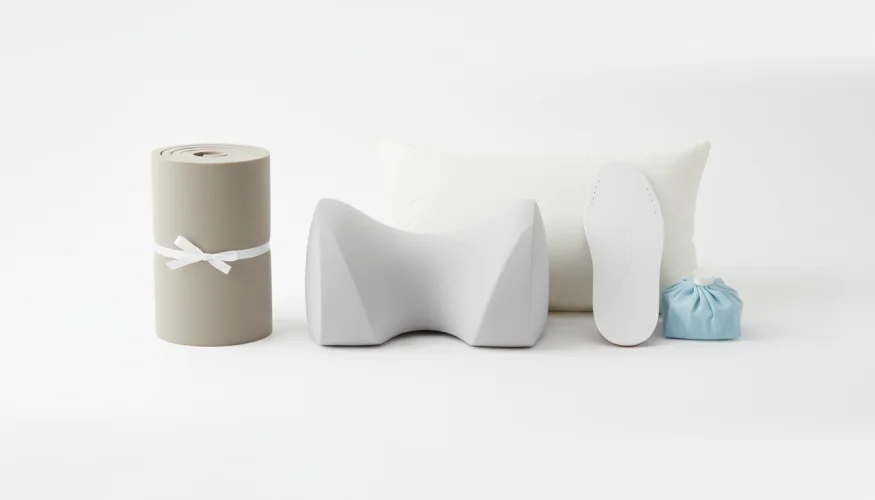
But what can be done about the nighttime pain while treatment takes effect? Sleeping position is truly crucial. If you suffer from right hip bursitis, avoid sleeping on your right side – the pressure of your body weight directly on the inflamed bursa only worsens the pain. The ideal is to sleep on your left side with a pillow placed between your knees, which prevents hip adduction and reduces tension on the outer side of the thigh. If you prefer sleeping on your back, a pillow under your knees can help relieve the hip joints.
The mattress itself also plays a major role. A mattress that is too firm creates a significant pressure point precisely in the area of the hip and trochanteric bursa, while one that is too soft cannot adequately support the spine and hips, leading to unnatural bending and increased muscle tension. The ideal is a medium-firmness mattress with good pressure-distributing properties – in this regard, memory foam mattresses or latex mattresses have earned a good reputation, as they conform to the body and distribute pressure evenly.
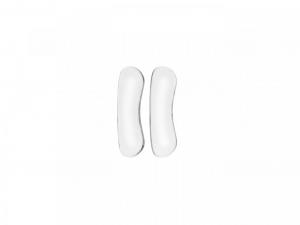
As a complement to sleep aids, ergonomic pillows designed specifically for placing between the knees can also be of great help. These products, designed specifically for side sleepers, keep the hips in an optimal position throughout the night and significantly reduce morning pain. They are made from various materials – from standard foam to memory foam – and differ in shape and firmness, so everyone can choose the option that suits them best.
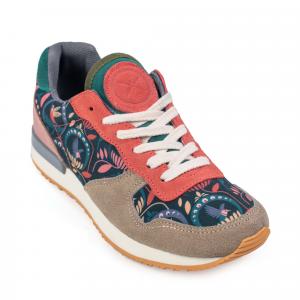
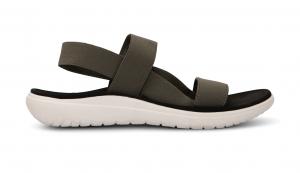
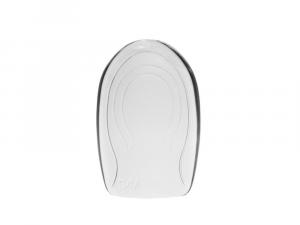
Choosing appropriate footwear is also a significant part of hip care. Shoes without adequate arch support or with an overly hard sole transfer impacts directly to the hip joint and can irritate bursitis even during ordinary walking. Orthopaedic insoles or footwear with a specially designed cushioning sole can make a significant difference in this regard.
Alongside physical treatment, the impact of weight on hip health is also worth mentioning. Every kilogram of excess weight increases the load on the hip joints during walking by approximately four times – this is also confirmed by research published in the specialist journal Arthritis & Rheumatology. For people who are overweight, even a modest reduction in weight can lead to a significant reduction in hip pain and a slowing of the progression of degenerative changes.
As orthopaedic surgeon and author of several specialist publications Dr. Michael Fredericson of Stanford University once noted: "Hip bursitis is not an inevitable fate – in the vast majority of cases it can be managed with conservative treatment, provided the patient understands the cause and is willing to work on themselves."
Prevention and long-term hip care
Once the acute phase subsides, perhaps the most important part of the entire process begins – preventing recurrence. Bursitis has an unfortunate tendency: without removing the causative factors, it is prone to returning. Regular exercise focused on strengthening the core and hip stabilisers should therefore be part of the daily routine of anyone who has struggled with bursitis or has a predisposition to it.
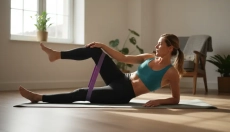
Among the most effective preventive exercises are so-called clamshells – strengthening the hip abductors while lying on your side with bent knees – and various bridge variations, which engage the gluteal muscles. Regular stretching of the iliotibial tract and hip flexors then reduces tension that might otherwise irritate the bursa. Yoga and Pilates are excellent complementary activities in this regard, as they combine strengthening with stretching while also developing body awareness.
For athletes, several important principles apply. Increasing training load should never be too rapid – the generally accepted rule states that weekly training volume should not increase by more than ten percent. Runners should pay attention to the surface they run on – hard asphalt is significantly more demanding on the hips than a tartan track or grassy surface. And if the first signs of pain appear, it is always better to slow down and focus on recovery than to push through the problems and risk developing chronic inflammation.
Chronic bursitis that does not respond to conservative treatment even after several months may, in rare cases, require surgical intervention – arthroscopic removal of the inflamed bursa. This procedure is minimally invasive and recovery is usually relatively short, but doctors truly resort to it only as a last option.
Hip pain when lying on your side does not have to be a permanent companion. Whether it is bursitis or another cause of the problems, modern medicine and physiotherapy offer effective tools for dealing with this issue. The key is not to ignore the pain, to seek professional help, and to be willing to make small but meaningful changes – whether in sleeping position, mattress choice, regular exercise, or reassessment of a training plan. The hips are joints on which our entire musculoskeletal system literally stands – and they deserve proper care.