

# What Happens to Eyes and Vision After 40 ## Natural Changes in Vision After Age 40 Turning 40 is

It comes quietly. First, you notice you need to hold your phone a little further away to read a message. Then comes an evening with a book when the letters seem to blur together. And finally that uncomfortable moment in a restaurant when you hold the menu as far away as possible and it still isn't enough. Most people around the age of forty experience exactly this moment – a quiet but unmistakable realisation that their eyesight simply isn't what it used to be. It's not a catastrophe, it's biology. But that doesn't mean nothing can be done about it.
Eyesight is one of those senses that we only become aware of when it starts to fail. Until then, the eyes function as a reliable tool that requires no attention. After forty, however, the situation changes, and understanding why these changes occur is the first step towards dealing with them sensibly.
Try our natural products
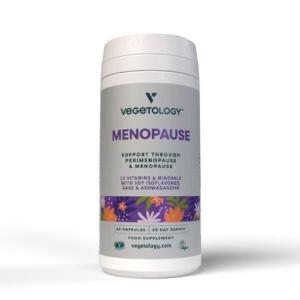
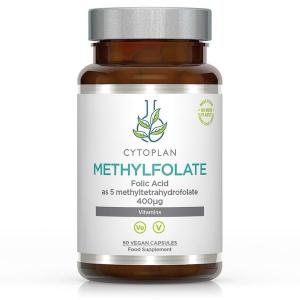
What actually changes in the eye
The human eye is a fascinating optical system, whose key component is the lens – a flexible, transparent structure capable of changing its shape and thereby focusing the gaze on objects at varying distances. This process is called accommodation, and throughout youth it occurs automatically and effortlessly. The problem arises with age, because the lens gradually loses its flexibility. The cells inside the lens continuously multiply and add to existing layers, causing the lens to thicken and stiffen over the years. The muscle that controls it – the ciliary body – loses its ability to do so, because the lens simply stops responding to its movements as it once did.
The result is a condition that doctors call presbyopia, or age-related farsightedness. It is not a disease in the true sense of the word, but a natural part of ageing that virtually no one escapes. According to the World Health Organization, more than 1.8 billion people worldwide suffer from presbyopia – and the vast majority of them become aware of it somewhere between the ages of forty and forty-five.
But presbyopia is not the only change that occurs after forty. The eyes begin to dry out, because the tear glands produce fewer tears or tears of lower quality. The pupils narrow and respond less to changes in lighting, so the transition from a bright environment to dim light takes longer and night vision deteriorates. Contrast and colour perception subtly change, although most people do not consciously notice this. And last but not least, the risk of more serious eye diseases increases, such as glaucoma, macular degeneration, or cataracts.
Take Petr, for example, a forty-four-year-old graphic designer who works eight hours a day at a computer. Just a year ago he had no vision problems at all. Then he started complaining about eye fatigue in the afternoon, headaches, and a feeling that the screen was somehow "floating." His eye doctor explained that it was a combination of developing presbyopia and dry eye syndrome – two phenomena that interact unpleasantly when working up close. A textbook case that eye clinics are encountering more and more frequently today.
Modern lifestyles further accelerate this entire process. Screens that emit blue light force the eyes into continuous close-up work while simultaneously disrupting tear production due to a reduced blinking frequency. According to research, a person blinks approximately three times less than usual when looking at a screen – instead of the natural rhythm of fifteen to twenty blinks per minute, the number drops to just five. This is a significant strain on the surface of the eye, manifesting as burning, redness, and a sensation of grit in the eyes.
Why it happens after forty in particular
Forty is not a magic threshold, but it is the age at which changes in the lens and other structures of the eye reach a point where a person begins to genuinely notice them in everyday life. The process begins much earlier – some experts claim that the lens starts to stiffen as early as age twenty, but at that point the body's compensatory mechanisms are still strong enough. As the years pass, however, these reserves diminish.
The overall hormonal transformation of the body also contributes to this. In women around forty, oestrogen levels begin to fluctuate, and oestrogen, among other things, influences tear production and the quality of the tear film. This is why women in perimenopause and menopause suffer from dry eye syndrome significantly more often than men of the same age. Hormones and eye health are connected far more closely than most people realise.
Lifelong exposure to ultraviolet radiation also plays a role. UV rays damage proteins in the lens and contribute to the development of cataracts, but their effects accumulate slowly and only become apparent after decades. Those who wore sunglasses with UV protection throughout their lives invested in their future vision better than they may have realised at the time.
Oxidative stress is another factor that has been discussed increasingly in recent years. Free radicals damage the cells of the retina, particularly those responsible for sharp central vision – the photoreceptors in the macular region. Age-related macular degeneration (AMD) is today the most common cause of vision loss in people over sixty in developed countries, but its roots reach deep into middle age. As American ophthalmologist and science communicator Dr. Rishi Singh aptly summarises: "The eyes are the only organs where we can directly observe blood vessels and nerve cells without surgical intervention – and that is precisely why they tell us so much about the overall health of the body."
Can the deterioration of vision be slowed?
This is the part that interests most people the most. Presbyopia itself cannot be prevented – that must be stated plainly. But there are a whole range of things that can slow the progression of other changes, reduce unpleasant symptoms, and support eye health going forward.
Nutrition plays a surprisingly significant role. The retina is a metabolically very active tissue and requires specific nutrients. Lutein and zeaxanthin, two carotenoids found primarily in dark green leafy vegetables such as kale, spinach, and chard, are naturally deposited in the macula and function as a kind of biological blue light filter. The AREDS2 study funded by the American National Eye Institute demonstrated that regular intake of lutein and zeaxanthin reduces the risk of macular degeneration progression by up to a quarter. Omega-3 fatty acids, particularly DHA, are in turn essential for the structure of cell membranes in the retina and also support the quality of the tear film – good news for those who suffer from dry eyes.
Vitamin C, vitamin E, and zinc are among the antioxidants that protect eye tissues from oxidative damage. Blueberries, which have earned a reputation in folk wisdom as "fruit for the eyes," contain anthocyanins with demonstrable anti-inflammatory and antioxidant effects. They are not a miracle cure, but as part of a varied diet they make sense.
In addition to diet, protection from UV radiation is important – and this means year-round, not just in summer. Quality sunglasses with certified UV400 protection should be a matter of course for anyone who spends time outdoors. A wide-brimmed hat worn alongside sunglasses can block up to half of the UV radiation that would otherwise reach the eyes from above.
For those who work at screens, it is essential to follow the so-called 20-20-20 rule: every twenty minutes, look at a distant point at least twenty feet (approximately six metres) away for twenty seconds. This simple habit gives the eyes a chance to relax the accommodative muscle and reduces fatigue. It also helps to consciously increase blinking frequency or to use preservative-free lubricating eye drops.
Overall lifestyle has a greater impact on eye health than one might expect. Smoking is one of the most significant risk factors for macular degeneration and cataracts – smokers have up to four times the risk of AMD compared to non-smokers. Uncontrolled diabetes or high blood pressure damage the tiny blood vessels supplying the retina in a way that initially produces no symptoms, but accumulates all the more insidiously. Regular physical activity, a healthy weight, and adequate sleep are therefore an investment not only in cardiovascular health, but in eye health as well.
And then there are preventive check-ups. After forty, everyone should visit an eye doctor at least once every two years, even if they have no complaints. Glaucoma, which is caused by elevated intraocular pressure and gradually destroys the optic nerve, has no symptoms in its early stages – a person only becomes aware of the loss of their visual field when the damage is already significant. Regular measurement of intraocular pressure and examination of the fundus of the eye are therefore among the most important steps a person can take for their vision.
Modern technology offers increasingly sophisticated corrective options – from progressive spectacle lenses to multifocal contact lenses to laser surgery or lens replacement. Each of these paths has its own advantages and limitations, and the right choice depends on the individual's situation, lifestyle, and personal preferences. The decision should always arise from a detailed consultation with a specialist, not from advertising or friends' recommendations.
Forty is the age when the body starts asking more loudly for attention – and the eyes are no exception. Rather than causing anxiety, this change can serve as a natural reminder that caring for one's health is not a sprint, but a marathon. And in this marathon, every step – whether it's a handful of spinach at lunch, sunglasses on a day trip, or a visit to the eye clinic – truly counts.