

# What Dry Skin Around Nails Says About Your Body and Its Needs Suchá kůže kolem nehtů (tzv. **neht
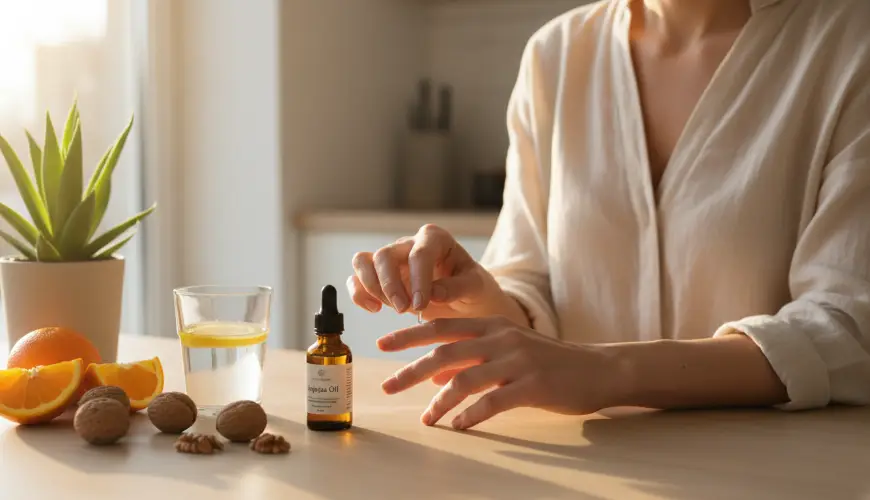
Small cracks, peeling skin, or unpleasant ragged cuticles around the nails – most people consider this a purely cosmetic problem that a little cream will fix. In reality, however, dry skin around the nails can be a silent signal that the body is sending to draw attention to something deeper. It's worth taking a closer look at these small signs, because the informational value of the condition of nails and the surrounding skin is surprisingly high.
Dermatologists and integrative medicine practitioners have long pointed out that hands – and especially the area around the nails – are a kind of mirror of the body's overall health. The condition of nails, cuticles, and the surrounding skin changes depending on nutrition, hydration, hormonal status, and psychological stress. So before you reach for another pack of plasters or habitually bite your cuticles, try asking yourself: what is my body actually trying to tell me?
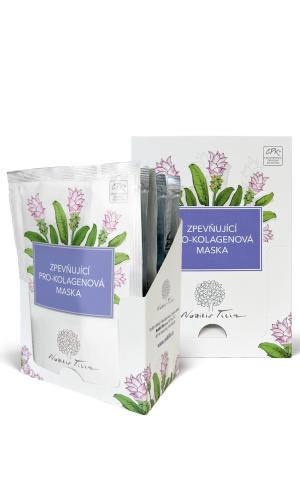
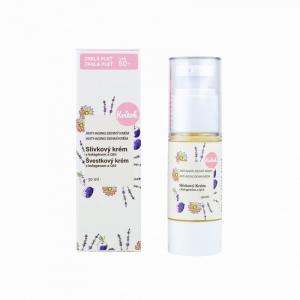
Try our natural products

Dehydration and nutrition as the first suspects
The most common cause of dry, cracking skin around the nails is simple dehydration. When fluid intake is insufficient, the body conserves water for vital organs, and the skin – especially on the hands and fingers – is the first to suffer. And it's not just about how much water a person drinks. The composition of the diet also plays a role, as excessive consumption of salt, alcohol, or caffeine can deprive the body of fluids even with an apparently adequate drinking regime.
The intake of vitamins and minerals is equally essential. A deficiency of vitamin E, which is a key antioxidant supporting the renewal of skin cells, very often manifests precisely on the hands. Vitamin C plays an irreplaceable role in the synthesis of collagen – the protein that keeps skin firm and elastic. When it is lacking, the skin loses its ability to regenerate and begins to crumble and crack. A deficiency of B vitamins, especially biotin (B7), is classically associated with brittle nails and dry cuticles around them.
Minerals are equally important. A zinc deficiency manifests in a whole range of symptoms – from slowed wound healing to dry and scaly skin. Zinc is essential for the proper functioning of more than 300 enzymes in the body, and its deficiency is surprisingly widespread in the modern population, particularly among people with diets low in meat, legumes, and nuts. Iron is similarly important – when deficient, i.e., in the case of anaemia, the skin becomes dry, pale, and prone to cracking.
Take a specific example: a thirty-year-old woman working in an office notices that the skin around her nails is cracking and peeling, even though she drinks two litres of water a day and regularly moisturises her hands with cream. After visiting a doctor and having blood tests done, it turns out she has low ferritin levels – the iron storage protein – and a mild vitamin D deficiency. By supplementing these nutrients, the condition of her skin improves significantly within a few weeks. This scenario is not exceptional; on the contrary, it is very common.
Hormones, the thyroid gland, and autoimmune signals
But dry skin around the nails doesn't always have such a straightforward cause. Hormonal imbalance is one of the less obvious but very common triggers. The thyroid gland, a small organ in the neck, controls the metabolism of the entire body – and if it works more slowly than it should (a condition known as hypothyroidism), this manifests, among other things, in markedly dry skin, brittle nails, and cracking skin around the nails. According to data from the American Thyroid Association, approximately 20 million Americans suffer from some form of thyroid disease, with a large proportion of them completely unaware of their condition.
In women, sex hormones also play a crucial role. The decline in oestrogen during perimenopause and menopause causes the skin to lose its ability to retain moisture – and the hands and fingers are one of the first places where this change manifests. The skin becomes thinner, drier, and less elastic, and the cuticles around the nails begin to tear and crack.
Autoimmune diseases are also worth mentioning. Psoriasis very often manifests in the area of the nails and surrounding skin – this is technically referred to as nail psoriasis, which affects up to 80% of patients with this diagnosis. Similarly, eczema, more precisely atopic dermatitis, causes chronic dryness, itching, and cracking of the skin, with the hands being one of the most frequently affected areas. If dryness persists despite hydration and dietary adjustments, it is always sensible to visit a dermatologist.
Stress and psychological strain are another factor that affects the condition of the skin more significantly than most people would think. Chronic stress increases cortisol levels, which disrupts the skin barrier and slows cell regeneration. It is no coincidence that many people notice during demanding periods of their lives that their skin worsens – it peels more, cracks, and heals more poorly.
The influence of the environment and everyday habits
But we don't always need to look inside the body for the causes of dry skin around the nails. External factors play an equally important role. Frequent hand washing, especially with aggressive soaps, disrupts the natural protective layer of the skin formed by lipids. Alcohol-based disinfectants, which have become part of everyday life, have a similar effect – while essential for hygiene, they significantly dry out the skin.
Seasonal influences are well documented. In winter months, the air in rooms heated by central heating is extremely dry, leading to faster evaporation of moisture from the skin. Outdoor frost further worsens the situation, as cold air contains less moisture. The combination of dry interiors and cold exteriors is literally devastating for the skin of the hands – and the cuticles around the nails, due to their thinness and exposure, are one of the most vulnerable spots.
Household chemicals – cleaning products, degreasers, or solvents – are another silent aggressor. People who regularly work with chemicals without protective gloves suffer from dry and irritated skin around the nails significantly more often. Similarly, working with soil, clay, or other abrasive materials mechanically damages the delicate skin around the nails.
As British dermatologist Dr. Anjali Mahto summarises in her book The Skin Bible: "The skin is the body's largest organ and at the same time its most honest – it reflects everything we go through both inside and out."
What to do about it – an approach from inside and out
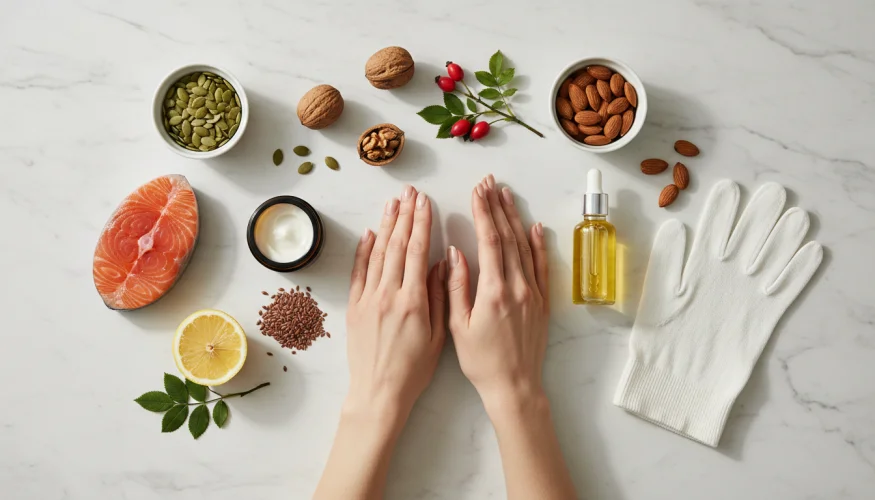
Care for dry skin around the nails should always be two-pronged. From the outside, regular moisturising with a quality hand cream containing urea, glycerin, or hyaluronic acid helps, as these ingredients can actually retain moisture in the skin. Natural oils are also suitable – almond, jojoba, or sea buckthorn – which nourish the cuticles and restore their natural protective layer. Applying cream or oil immediately after washing hands, while the skin is still slightly damp, significantly increases the effectiveness of moisturisation.
From the inside, a varied and balanced diet rich in healthy fats is key – omega-3 fatty acids found in salmon, flaxseeds, or walnuts are absolutely essential for skin health. Adequate intake of antioxidants from fruit and vegetables protects skin cells from damage by free radicals. If diet alone is not enough, it may be appropriate to reach for quality dietary supplements – biotin, vitamin E, or zinc – ideally after consulting a doctor.
Protecting the hands in everyday life is just as important as treatment. Wearing rubber gloves when cleaning and washing dishes, cotton gloves in winter, and protective gloves when working with chemicals or soil can significantly reduce mechanical and chemical damage to the skin. A small change in habit with a big impact.
It's also worth mentioning one bad habit that significantly worsens the situation: biting and tearing the cuticles around the nails. Although it is an understandable reaction to the discomfort caused by dry skin, mechanically damaging the cuticles disrupts the natural barrier and opens the way for bacteria and fungi. The result can be a painful inflammation – paronychia – which then requires medical treatment.
Dry skin around the nails is therefore much more than just an aesthetic problem. It is information – about what the body is lacking, how it is burdened, and what conditions it is exposed to every day. Paying attention to these small signals and responding to them – whether by adjusting diet, changing habits, or visiting a doctor – is one of the simplest ways to care for health as a whole. Hands know more about us than we think.