
# What is fast beauty and why you should know about it
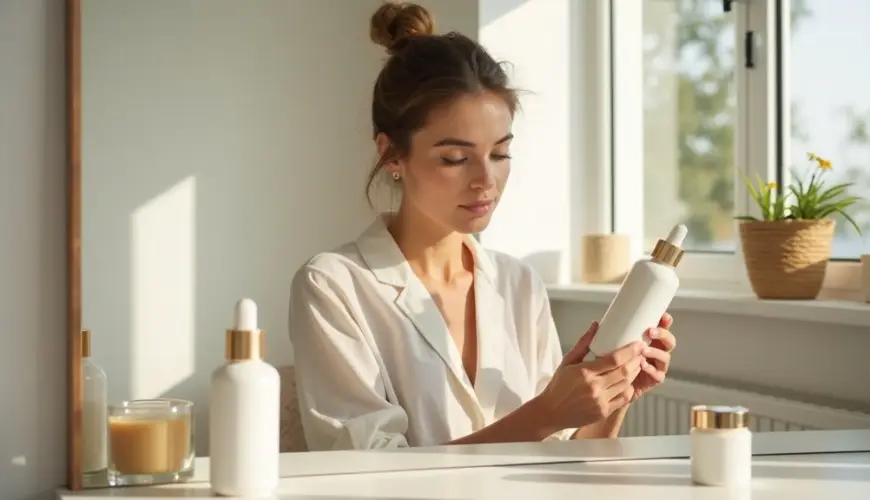
When someone mentions fast fashion, most people immediately picture mountains of cheap clothing that ends up in the bin after being worn once or twice. But few people suspect that exactly the same problem exists in the world of cosmetics and skincare. Fast beauty – rapid beauty – is a phenomenon growing at the same dizzying pace as its fashion predecessor, bringing with it equally serious impacts on the environment, health, and our finances. And yet it remains almost unnoticed.
Imagine Klára, a thirty-year-old woman from Prague, who every month buys a new serum promising miracles, three shades of lipstick that are currently "in" according to TikTok, and a face mask she saw on her favourite influencer. Over the course of a year, she spends thousands of crowns on products, half of which end up unused in a drawer or straight in the bin. Klára's story is not exceptional – it is entirely typical of millions of consumers around the world who have succumbed to the logic of fast beauty without even realising it.
Try our natural products
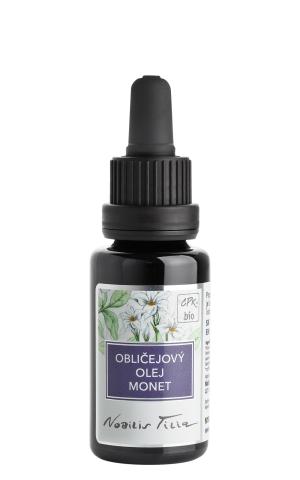
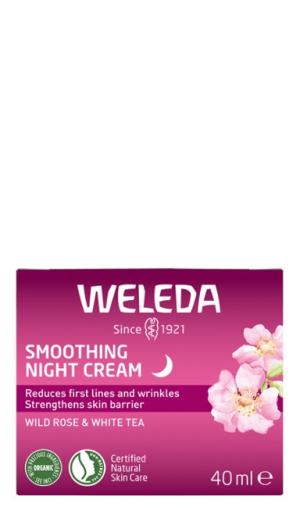

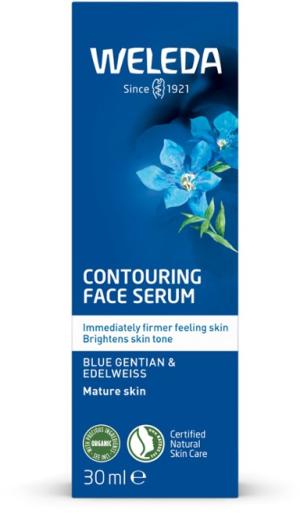
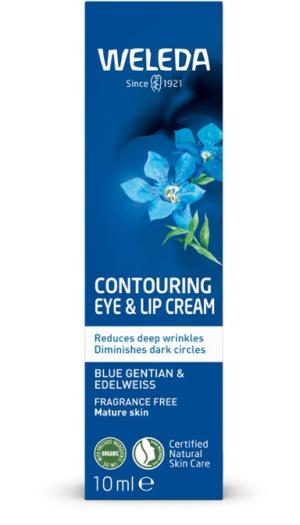
What exactly fast beauty means and why it is so dangerous
Fast beauty operates on the same principle as fast fashion: rapid production, low prices, massive marketing, and a constant rotation of trends that compel consumers to keep buying again and again. Cosmetics companies are launching new products at a breathtaking pace – whereas brands previously introduced new items a few times a year, new collections of make-up, skincare, or haircare now appear practically every month. Social media accelerates this cycle even further: a viral trend on TikTok can sell out an entire product overnight and replace it with another "must-have" item within a week.
The problem begins with production itself. Cheap cosmetic products are typically filled with synthetic ingredients, microplastics, and chemical substances that are harmful not only to our skin but also to ecosystems. Microplastics from cosmetic products represent one of the largest sources of plastic pollution in the oceans – according to a report by the European Environment Agency, the cosmetics industry is estimated to contribute tens of thousands of tonnes of microplastic pollution annually. And that does not even account for the enormous amount of plastic packaging that goes straight into the waste stream.
The production of cosmetics is both energy- and resource-intensive. Ingredients such as palm oil – found in countless cheap products – are responsible for massive deforestation of tropical rainforests. Synthetic fragrances and preservatives such as parabens enter the water system and disrupt the hormonal balance of both animals and humans. Yet most consumers have no idea about the composition of the products they apply to their skin every day – and that is precisely what the fast beauty industry relies on.
Also worth mentioning is the logistics itself. Fast beauty products are often manufactured in Asia and distributed worldwide, with every step of transportation leaving a significant carbon footprint. Add to this packaging materials designed to look luxurious and appealing in social media photographs, yet which are entirely non-recyclable, and we get a picture of an industry that not only ignores ecological sustainability but actively works against it.
As British journalist George Monbiot once aptly remarked: "Consumerism has convinced us that shopping is a form of self-expression. But what are we expressing when we buy things we don't need, made from materials that destroy the planet, by companies that lie to us about their effects?" These words apply to fast fashion and fast beauty in equal measure.
How fast beauty manipulates our psychology
It would be too simple to say that the problem lies solely with greedy corporations. Fast beauty is so successful because it perfectly exploits human psychology – the desire for novelty, the fear of missing out on a trend, and the deeply rooted belief that beauty is attainable if only we buy the right product.
Influencer marketing plays a key role in this system. Millions of people follow beauty creators on Instagram, YouTube, or TikTok who promote new products daily – sometimes openly as paid advertising, other times more subtly as an "honest recommendation". Social media algorithms are designed to maximise the time spent on the platform, partly through a constant stream of new content, new trends, and new products. The result is a permanent state of desire and dissatisfaction – a state that is a goldmine for the cosmetics industry.
The phenomenon of so-called "skincare inflation" is a good example of this. Just ten years ago, using a cleanser, a moisturiser, and sun protection was considered sufficient. Today, social media promotes routines consisting of ten, fifteen, sometimes even twenty steps and products. Dermatologists, such as those affiliated with the American Academy of Dermatology, repeatedly warn that complex multi-layered routines are unnecessary for most people and can even irritate the skin or damage the skin barrier. Yet the industry continually invents new "essentials" – essences, ampoules, gua sha stones, LED masks – and consumers buy them in the hope that this time it will be the miraculous product.
Psychologists describe this phenomenon as the "treadmill of desire." A new product brings a short-term feeling of satisfaction and excitement that quickly fades and is immediately replaced by a desire for the next one. It is a mechanism that is evolutionarily very ancient, but modern marketing exploits it with unprecedented sophistication.
Another powerful tool is the sense of urgency. Limited editions, sales "today only", collections inspired by a season or a current film – all of this creates artificial pressure for consumers to buy immediately, without thinking. A considered decision is the enemy of fast beauty, just as it is the enemy of fast fashion.
The path to conscious beauty: alternatives that make sense
The good news is that awareness of the fast beauty issue is growing, and with it the availability of truly sustainable alternatives. Slow beauty – conscious, unhurried beauty – is not merely a fashionable slogan, but a concrete approach to cosmetics that can significantly reduce the ecological and financial impact of our shopping habits.
The fundamental principle of slow beauty is less, but better. Instead of ten average products, acquiring three genuinely high-quality ones whose composition is transparent, whose ingredients are ethically sourced, and whose packaging is recyclable or reusable. A number of studies show that this approach is not only more ecological, but also more economically advantageous – a quality product generally lasts longer and delivers better results.
When choosing cosmetics, it is worth paying attention to certifications. Brands certified by COSMOS Organic, Ecocert, or Natrue have undergone independent verification of their ecological and ethical standards. This does not mean that every natural product is automatically better, but certification at least guarantees a basic level of transparency regarding composition and production.
It is worth mentioning several specific changes that anyone can make right away:
- Before buying a new product, go through what you actually have at home and what you genuinely need
- Read product ingredients and avoid unnecessary synthetic additives, microplastics, and problematic preservatives
- Give preference to brands with refill programmes or products in recyclable packaging
- Seek out local and smaller cosmetics brands that are transparent about their production process
- Unsubscribe from marketing emails and reduce your consumption of content from beauty influencers who promote an endless stream of new products
A conscious approach to beauty does not, however, mean asceticism or giving up self-care. Quite the opposite – slow beauty places emphasis on the genuine needs of the skin and body, on rituals that bring joy and calm, rather than on chasing every new trend. Many women and men who have moved from fast beauty to a more mindful approach describe how their skin improved precisely when they stopped experimenting with dozens of products and simplified their routine.
The cosmetics industry is slowly beginning to change under legislative pressure as well. The European Union, for example, adopted a regulation restricting the use of microplastics in cosmetics, which came into force in 2023 and will gradually introduce a ban covering hundreds of types of products. Similar steps are being taken by other countries. This is good news – but regulation alone is not enough. Real change must also come from consumers, who with their purchasing decisions vote every day for the type of industry they want to have.
Returning to Clara from the introduction – or rather Klára, because her story is very Czech and very real – the change does not need to be dramatic. It is enough to ask yourself a simple question before clicking "add to cart" next time: Am I buying this because I genuinely need it, or because someone on the internet told me I need it? This small pause, this moment of conscious reflection, is precisely what the fast beauty industry does not want to happen. And that is exactly why it is so important to cultivate it.
Beauty does not need to be fast in order to be real. And taking care of yourself does not have to mean endless shopping. Perhaps it is high time to stop being swept along by the current of new trends and instead find the products, approaches, and rituals that truly work – for us and for the planet.