
You'll handle spring cleaning without much hassle if you divide the work into small zones.
Spring cleaning has a reputation as a major household event that is either postponed or tackled with such vigor that by the third day, your back and head are aching. Yet spring is an ideal time for the home to "breathe"—after winter, when there's more heating, less airing, and naturally accumulating clutter and dust. But the question is: does it have to be the classic multi-day event with buckets, aggressive chemicals, and an exhausted mood? Or is it possible to clean the house without the great spring madness, gradually, sensibly, and in a way that is sustainable for the coming weeks?
A good "spring" clean doesn't have to be about heroic efforts. It can be more of a smart series of small steps: declutter a little, air out a bit, wash a few things, clean a few spots—and the home starts to change faster than expected. And when combined with a natural approach and a simple method, it often means less unnecessary burden on the air in the apartment, on the skin, and in the trash can.
Try our natural products



How to Clean the Home Without the Great Spring Madness: Fewer Plans, More Rhythm
The biggest problem with spring cleaning is often, paradoxically, that it becomes a project. Lists running two pages, a weekend "reserved just for cleaning," pressure for perfection, and the idea that once you start, everything has to be finished. But a home isn't a one-time task; it's more like a living organism—every day something is brought in, used, set aside, and changed again. Therefore, the most effective approach is one that breaks cleaning down into manageable parts.
A simple rule is very helpful: spring is not a deadline, but a period. It's not necessary to do everything "right now." If you dedicate 20-30 minutes each day to a specific task, surprisingly much can be accomplished in two weeks—without turning the home into a construction site and people into exhausted wrecks. And what's more, such a rhythm is much more sustainable than a one-time push.
It's practical to always choose just one "zone": perhaps the bathroom, kitchen cabinets, living room windows, wardrobe. The zone is done "from start to finish"—which doesn't mean scrubbing the house, but completing one small section to a state where it works well. It's often found that the biggest energy drain isn't the cleaning itself but shifting things around: what belongs where, what is extra, what is in the way. That's why it pays to start with that.
A useful detail, which sounds trivial but works, is to prepare a bin or bag in advance for things that will go elsewhere. Once you encounter cosmetics that didn't suit you, glasses that aren't used, or a shirt that will be "mended one day" during cleaning, it goes straight into the bag. Thanks to this, you aren't moving things from place to place, but actually creating space. And in spring cleaning, space is often a bigger win than a perfectly polished faucet.
A real-life example illustrates this well: in one household, spring cleaning was long unsuccessful because every attempt ended with a pile of things on the couch and a feeling that "it can't be finished." The breakthrough came when cleaning was reduced to 25 minutes a day and a simple habit was added—always return the couch to its original state at the end. No "we'll leave it for tomorrow." Suddenly, the apartment never looked worse than before cleaning, and motivation paradoxically grew. A small, completed step is psychologically much more pleasing than a big, unfinished plan.
And if a healthy detachment is mixed in, it goes even better. As the often-quoted idea that proves great in households says: "Perfect is the enemy of good." Spring cleaning doesn't have to be a competition. It should be preparation for a lighter period—a time for more light, open windows, and a more pleasant everyday life.
Simple Spring Cleaning the Natural Way: Less Chemistry, More Results
Spring often brings a desire to "clean the air." Literally and figuratively. And this is where spring cleaning the natural way and simply makes sense—not only for the environment but also for what we breathe at home. Many common cleaning products contain fragrances and substances that can irritate more sensitive people, children, or pets. Authoritative institutions such as the European Chemicals Agency (ECHA) have long explained why it's important to understand the chemicals in everyday products and handle them carefully. It's not about panic—rather, it's about sensible choices.
Natural cleaning isn't any kind of alchemy. Often, a few proven helpers and the correct order of steps are enough. A significant factor is that natural agents generally don't mask odors with the "scent of cleanliness," but support real cleanliness—removing grease, limescale, or deposits.
What is most practical in simple spring cleaning?
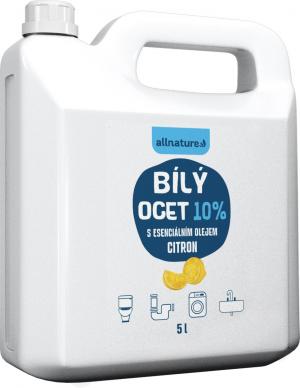
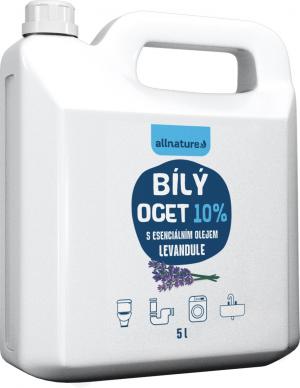
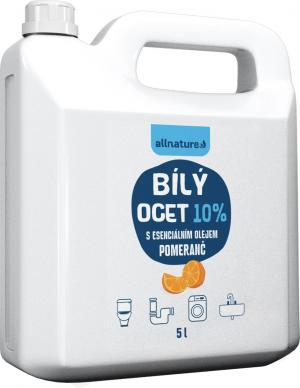
- Vinegar (for limescale, glass, odors)—ideally diluted, and with respect for sensitive surfaces like natural stone.
- Baking soda (for gentle scrubbing, absorbing odors, grout)—great where aggressive abrasives are unwanted.
- Citric acid (for kettles, faucets, shower heads)—often more effective and pleasant than vinegar.
- Castile soap or a gentle all-purpose cleaner (for common surfaces and floors)—when you don't want to mix anything.
- Microfiber cloths and a brush (for details)—because the right "tool" sometimes saves more work than a stronger agent.
Here, it's worth reminding one important detail: don't mix vinegar and chlorine products. This occasionally happens in households in an attempt to "boost effectiveness," but it's dangerous. For those wanting to read more about the risks of cleaning chemicals, useful information is provided by the World Health Organization (WHO) in materials about home environments and health, or by national health authorities in different countries. Again—it's not about fear, just about being informed.
The natural way also often leads to fewer bottles cluttering the home. Instead of five specialized sprays for five different corners of the bathroom, a few universal solutions and good technique suffice: let it work, wipe mechanically, rinse. Spring cleaning then isn't a sprint with chemicals but rather a calm routine.
The logic of "top to bottom" is also very practical: first dust on higher surfaces and shelves, then work areas, finally the floor. It sounds obvious, but during spring cleaning, people often start "where it's most visible," and then dust from top cabinets ends up falling down anyway. The result? Double work and a sour mood.
Textiles, which hold onto odors and dust after winter, can naturally be included in spring cleaning: curtains, pillow covers, throws, pet beds. Washing even part of these items can instantly change the home—not just in appearance but mainly in the air. And "air" is often the quickest reward: washed textiles, aired duvets, a clean filter in the extractor hood, or vacuumed sofa can make a bigger impression than perfectly arranged books.
Tips for Effective Spring Cleaning That Make Sense Even During a Regular Week
Efficiency in cleaning doesn't mean doing it faster at the cost of nerves. It means doing it in a way that doesn't waste energy on unnecessary things. And so that the results last. Therefore, it's worth focusing on areas that have the greatest impact on daily comfort: the kitchen, bathroom, floors, textiles, and storage spaces where things tend to "disappear."
In the kitchen, spring cleaning is most rewarding when viewed not as polishing but as a small revision. Just open one cabinet, take things out, quickly wipe the shelves, and mainly see what is actually used. The winter period is typical for buying more supplies, and some foods get pushed to the back. Suddenly, forgotten packages, opened flours, or spices that no longer smell are found. Solving this makes the kitchen feel lighter and cooking simpler. And it's not a big action—a single cabinet might take twenty minutes.
In the bathroom, it's worth focusing on places where limescale and moisture accumulate. Shower heads, faucets, edges of sinks, grout. A simple trick often helps: instead of scrubbing "dry," let a gentle agent work for a while. Citric acid or vinegar (on suitable surfaces) does a lot of work for you. Combined with regular airing and occasional wiping of problematic spots after showering, the bathroom stays in good condition longer without major interventions.
A big topic of spring cleaning is windows. Some love them, others genuinely dislike them. With windows, changing expectations often helps: the goal isn't perfection without a single streak in the sun, but a feeling of light and cleanliness in the room. When windows are done gradually—perhaps today just in the kitchen, tomorrow in the bedroom—they stop being daunting. And for those wanting to go the natural route, warm water, a bit of vinegar, and a good squeegee often suffice. The result is surprisingly good, especially when not fighting with the window in the midday sun.
A special chapter comprises closets and clothing. Spring is a time when layers naturally change and people reach for lighter items. Here, a simple spring cleaning can be done without major planning: take out winter coats, check pockets, let them air, fold sweaters into boxes, clean shoes. And mainly ask one liberating question: will this really be worn next winter? If the answer is "probably not," it's a fair signal. The clothing can bring joy elsewhere or be sent for recycling where it makes sense. Sustainability isn't just about materials but also about not accumulating items at home that serve no one.
Effective are also small "invisible" tasks that significantly improve the home environment: cleaning the extractor filter, vacuuming radiators and places under the bed, wiping switches and handles, checking the first-aid kit. It's not about perfectionism—it's about catching up on these small things that are easily overlooked during the year, and it's pleasant to address them in spring.
Finally, a surprisingly powerful tip: don't clean on an empty stomach and in haste. Spring cleaning is physical work, even if it looks "homely." When done calmly, with an open window and a clear time limit, it becomes much easier. Often, it just takes saying: today only 30 minutes and then done. Paradoxically, more is often accomplished because the resistance to endless toil disappears.
Spring cleaning can thus transform from a one-off exhaustion to a pleasant restart. Tips for effective spring cleaning ultimately revolve around one idea: doing fewer things, but finishing them. And when combined with the natural way, not only will the home look better, but it will also breathe better. Perhaps this is the greatest spring luxury—not a perfectly polished apartment, but the feeling that the home works lightly, cleanly, and without unnecessary pressure.