
Smart weekly shopping without food waste
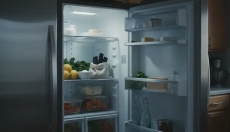
Each of us knows the feeling. It's Sunday evening, you open the fridge, and inside you find wilted lettuce, half a pepper that long ago lost its crunch, and a yogurt past its expiration date. Yet just last week you spent a decent sum at the store and felt like you'd bought "everything you needed." But without a plan, even the best-stocked shopping trip turns into a pile of wasted food. So how do you shop for the whole week in an hour and not throw food away? It's not rocket science, but it does require a bit of preparation – and above all, a change in approach.
According to data from the Food and Agriculture Organization (FAO), approximately 1.3 billion tons of food is thrown away worldwide each year, representing roughly one-third of all food produced. In the Czech context, this means the average household throws away dozens of kilograms of food per year that could have been consumed without any problem. This isn't just an ethical issue – it's also an unnecessary burden on your wallet and the environment. Every kilogram of food that ends up in the bin instead of on a plate carries behind it consumed water, energy, and land. And this is exactly where the path to change begins: with a shopping list and thoughtful planning.
Try our natural products




Why planning changes the rules of the game
Imagine a typical situation. You arrive at the supermarket after work, tired and hungry. You walk through the aisles, tossing things into your cart that look appealing or happen to be on sale. Three packs of spinach because it was half price? Great – except realistically you'll manage to use one at most. A large pack of chicken breasts on special? Excellent idea, if you know what you'll do with them. Otherwise, half will end up in the freezer, where you'll forget about them for months.
Meal planning isn't about becoming a slave to a precise schedule. It's more about having a rough idea of what you'll eat during the week and buying only what you actually need accordingly. A study published in the International Journal of Consumer Studies repeatedly confirms that households that plan their meals in advance waste significantly less and also spend less money. The logic is simple: when you know that on Monday you'll cook pasta with tomato sauce, on Wednesday risotto, and on Friday baked vegetables, you buy exactly the ingredients you need, in appropriate quantities.
The experience of Mrs. Markéta from Brno, a mother of two school-age children, confirms this. "I used to go shopping almost every day and always spent more than necessary. When I started writing up a meal plan for the whole week on Sunday evening and making a shopping list based on it, suddenly my shopping took barely an hour and I saved almost two thousand crowns a month. And most importantly – I stopped throwing food away," she describes her experience.
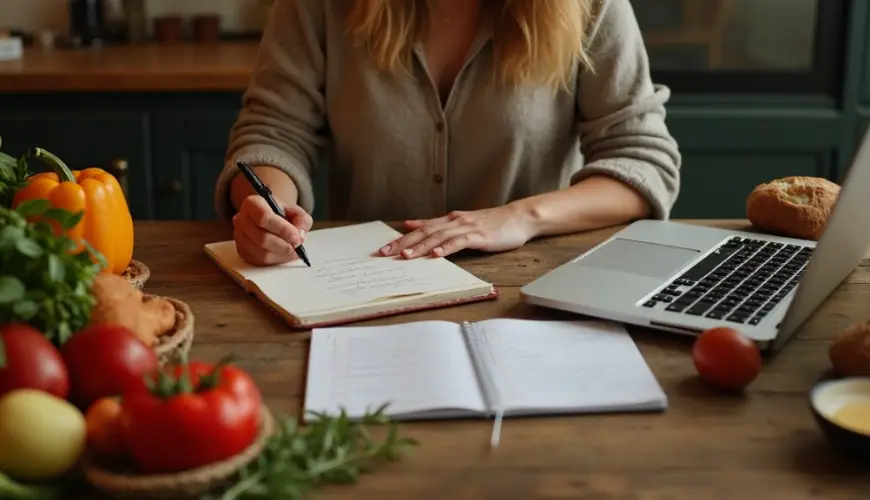
The whole process doesn't have to be complicated at all. Just sit down in peace, open the fridge and pantry, see what you already have at home, and based on that, put together a menu for the next seven days. You don't need to plan every bite – main meals and possibly snacks are enough. The important thing is to think about how to connect ingredients with one another. If on Tuesday you're making vegetable soup and you have half a celeriac left over, plan a salad for Thursday where you'll use the celeriac. This way of thinking is the key to not wasting food while still eating a varied diet.
Once you have your meal plan, it's time for the shopping list. And here one golden rule applies: stick to the list. Of course, occasionally you'll come across something irresistible or a genuinely good deal, but generally speaking, impulse purchases are the main source of future waste. Write your list organized by store sections – fruit and vegetables, dairy products, meat, baked goods, shelf-stable foods – and go through the store systematically, without unnecessary wandering. This is exactly how you can manage to shop for the whole week truly in an hour, sometimes even faster.
And when it comes to quantities? Be realistic. If you know your family goes through two loaves of bread a week, don't buy three just because the third one is discounted. If you live alone and bananas ripen faster than you can eat them, buy fewer – or plan to use overripe bananas for banana bread or smoothies. It's precisely this flexibility and willingness to work with what you have that forms the foundation of a zero-waste approach to eating.
Smart tricks that prevent waste
Shopping is only the first half of success. The second half takes place at home, in the kitchen. Even the best-planned shopping trip can end in waste if you don't store or use your ingredients properly.
Let's start with the fridge. Most people simply pile food in however they pull it out of the bag and don't think about it further. Yet properly organizing your fridge can significantly extend the shelf life of food. Dairy products belong in the colder section, fruit and vegetables in the special drawers where humidity is higher, and leftover meals should always be placed visibly so you don't forget about them. The simple principle of "what's older goes to the front" – known in the food industry as FIFO (first in, first out) – can save a surprising amount of food at home.
Another essential helper is the freezer. Many people see it as a place where things are put "for later," and then they forget about them. Yet the freezer can be the best tool against waste if you use it actively and systematically. Did you cook too large a batch of goulash? Freeze half and you have a ready-made lunch for next week. Do you have overripe fruit? Chop it up and freeze it for smoothies. Do you have a piece of bread left over? That can be frozen too and later toasted in the oven. The key is to label frozen foods with the date so you know what needs to be used up first.
Then there's the question of leftovers, which is still somewhat taboo in Czech households. Many people feel that eating leftovers is somehow inferior, yet it's often from leftovers that the best dishes are born. Yesterday's leftover rice transforms into delicious fried rice with egg and vegetables. Uneaten roasted vegetables make an excellent soup. And leftover meat serves as the base for a sandwich or salad for lunch at work. Creative use of leftovers isn't just ecological – it's also an opportunity to discover new flavors and combinations.
The approach to "cosmetic defects" in food is also interesting. A slightly bruised apple, a carrot that isn't perfectly straight, or a tomato with a small blemish – these are all foods that taste absolutely the same as their perfect-looking counterparts. Yet people often automatically throw them away. If you learn to look at food functionally rather than aesthetically, you'll save not only money but also contribute to reducing food waste across the entire supply chain. Some stores and initiatives, such as Zachraň jídlo, focus precisely on this problem and offer practical tips and inspiration.
We must not forget the proper understanding of use-by dates and best-before dates. There is a fundamental difference between them that many people don't realize. "Use by" means the food should not be consumed after this date – typically for meat, fresh dairy products, and the like. In contrast, "best before" is more of a guideline from the manufacturer about when the food is guaranteed to maintain optimal quality. A yogurt one or two days past its best-before date is perfectly fine in most cases – just give it a sniff and a taste. According to estimates by the European Commission, up to 10% of food waste in the EU is linked precisely to the misunderstanding of dates on packaging.
As the famous chef and anti-food-waste activist Dan Barber said: "Waste isn't just what we throw away – it's proof that we didn't bother to think." And that's exactly what this whole approach is about: consciously thinking about what we buy, how we store it, and how we use it.
It's also worth mentioning the technological helpers available to us today. There are apps like Too Good To Go that allow you to buy discounted food from restaurants and shops just before the end of their shelf life. Other apps help you with meal planning or generating recipes from ingredients you already have at home. Even a simple notes app on your phone where you jot down your shopping list is better than relying on memory – because memory in the supermarket, under the influence of marketing tricks, fails surprisingly often.
The entire concept of sustainable shopping and eating beautifully connects with other areas of everyday life. Those who start thinking about how not to waste food often gradually become interested in the origin of their food, eco-friendly packaging, local producers, and a more responsible approach to consumption overall. This is no coincidence – it's a natural progression where one positive change pulls others along behind it. And that's precisely why the first step is so important, even if it may seem small.
To conclude, let's return to the practical side. If you want to start this very weekend, try the following: take twenty minutes on Sunday, open the fridge and pantry, write down what you have, and plan five main meals for the coming week. From that, derive your shopping list. In the store, stick to it, don't let yourself be distracted by deals on things you don't need, and buy only what you will actually consume. At home, store your ingredients properly, put older foods at the front, and during the week, be creative with leftovers. After a month of this approach, you'll be surprised how much you've saved – both money and food that would otherwise have ended up in the bin.
Because not wasting food isn't just a trend or a fad. It's a sensible, economical, and ecological approach that makes sense for every household – whether you're single, a couple, or a large family. And what's best? All it takes is starting with one shopping list.