

# Dates and Their Contribution to Healthy Nutrition ## What Are Dates? Dates are the fruit of the
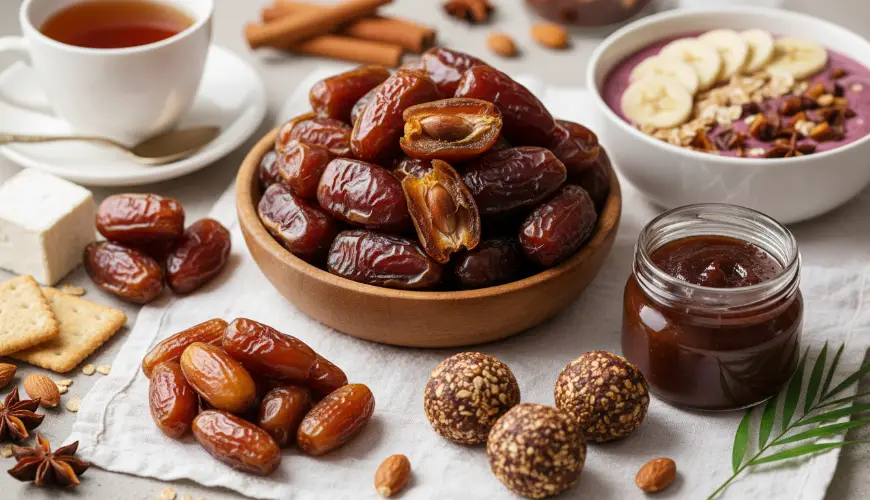
Dates are among the oldest cultivated crops in the world. Their history stretches back thousands of years to the Middle East and North Africa, where palm trees bore fruit that served as a primary source of energy for entire civilizations. Today you can find them in every major health food store, but very few people truly know why to eat them, how to choose them, and what you can do with them in the kitchen. Yet they represent one of the simplest ways to enrich your diet with a naturally nutritious food, free from unnecessary chemicals and industrial processing.
Just think of a situation familiar to many people: mid-afternoon around three o'clock, tired from work, craving something sweet. Reaching for a chocolate bar is easy, but the result is predictable – a brief flash of energy, then a crash and even greater hunger. This is exactly where dates come in. Thanks to their combination of natural sugars, fiber, and minerals, they provide the body with energy that doesn't fade within twenty minutes.
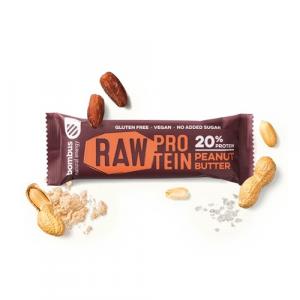
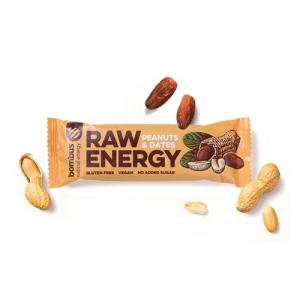
Try our natural products

What Makes Dates So Exceptional from a Nutritional Perspective
Dates are extraordinarily nutrient-dense – meaning that in a relatively small volume they contain a large amount of beneficial substances. A single serving (approximately three to four fruits) covers part of the daily requirement for potassium, magnesium, manganese, vitamin B6, and fiber. According to data from the United States Department of Agriculture (USDA), 100 grams of dried dates contain around 7 grams of fiber, nearly 700 mg of potassium, and over 50 mg of magnesium – figures that many so-called "superfoods" would envy.
Potassium plays a key role in regulating blood pressure and proper heart function. Magnesium contributes to muscle recovery, sleep quality, and the nervous system. Fiber slows the absorption of sugars into the bloodstream, preventing sharp fluctuations in blood glucose levels, while also supporting the health of the intestinal microbiome. These are precisely the things that receive increasing emphasis in preventive nutrition today – and dates offer all of them naturally, all at once.
Also noteworthy is the presence of antioxidants. Research published in the peer-reviewed journal Journal of Agricultural and Food Chemistry showed that dates are among the fruits with a high concentration of flavonoids, carotenoids, and phenolic acids. These compounds help neutralize free radicals, which contribute to cellular aging and the development of chronic diseases. In other words, regular consumption of dates can be an inconspicuous yet effective component of an anti-inflammatory diet.
That said, moderation is still important. Dates are calorically dense – approximately 280 to 300 kcal per 100 grams – and their natural sugar content is high. This does not mean they are "unhealthy," but anyone monitoring their carbohydrate intake should keep track of how many they consume. Two to four dates per day is an ideal amount for most people.
As nutrition advisor and author Michael Pollan once noted: "Eat food, not too much, mostly plants." Dates fit this principle perfectly – they are real, natural, and of plant origin.
How to Choose Good Dates and What to Watch Out For
Choosing quality dates is not complicated, but it does require a little attention. There are several dozen varieties on the market, each with different characteristics, flavor, and texture. The best-known and most widely available variety is Medjool, originally from Morocco and now grown in many countries. These are large, fleshy fruits with a delicate caramel flavor and a soft, almost creamy texture. Medjool dates are particularly popular as a natural sugar substitute in raw food diets and when preparing healthy desserts.
The second most popular variety is Deglet Nour, which is somewhat smaller, firmer, and less sweet. Its flavor is more subtle and less intense, making it an excellent addition to salads, savory dishes, or as an ingredient in granola. There are also lesser-known varieties such as Barhi, Zahidi, and Halawi – each with its own character worth exploring.
When selecting dates in a shop, there are several things to look for. A good date should have a glossy, naturally wrinkled surface with no significant white coating, which can indicate an excessive amount of crystallized sugar or improper storage. The fruit should be springy to the touch – neither hard as a stone nor stickily tacky in a way that suggests over-drying or excessive moisture. Color varies by variety, ranging from light golden through brown to almost black.
It is also important to read the labels. Quality dates should contain a single ingredient: dates. No added sugar, no preservatives, no syrups. Unfortunately, some products on the market are coated in sugar or preserved with sulfur dioxide – substances that unnecessarily burden the body and are entirely superfluous in a fruit that is naturally sweet and, when properly stored, keeps for a long time.
Where possible, it is worth reaching for organically certified dates, which guarantee that no synthetic pesticide treatments were used during cultivation. Palm trees are naturally resilient, but conventional agriculture in some regions applies chemical sprays to them as well.
How to Incorporate Dates into Your Everyday Diet
This is the enjoyable part. Dates are one of the most versatile foods you can have in the kitchen. Their natural sweetness and dense texture make them an excellent base ingredient for both sweet and savory combinations.
The simplest approach is to eat them as they are – as a quick snack at any point during the day. They also work wonderfully as an accompaniment to cheese, especially richer varieties such as brie, camembert, or goat's cheese. The contrast between sweet and savory, delicate and rich, is surprisingly harmonious, and dates look impressive on cheese boards as well.
For a morning routine, dates make an ideal smoothie ingredient, where they replace honey or other sweeteners. Simply soak them in water for an hour beforehand to soften them, then blend together with a banana, plant-based milk, and a pinch of cinnamon. The result is a thick, filling drink packed with energy that will keep you going until lunch.
Those who enjoy baking or preparing healthy desserts will find dates an invaluable ally. Blended dates form the base for so-called energy balls – a simple recipe that anyone can manage:
- 200 g Medjool dates (pitted)
- 100 g rolled oats
- 2 tablespoons of almond butter
- 1 tablespoon of cocoa powder or carob powder
- a pinch of salt and cinnamon
Blend everything together, shape the mixture into balls, and leave them to chill in the refrigerator. The result is a wholesome snack with no added sugar, no flour, and no baking, which will keep in the fridge for up to a week.
Dates need not be limited to sweet recipes, however. In Moroccan and Middle Eastern cuisines, they are traditionally part of slow-cooked dishes with lamb, chickpeas, or vegetables. Their sweetness beautifully balances the spiciness of spices such as cumin, coriander, or ras el hanout. The same logic can be applied to modern plant-based cooking – dates added to a lentil dal, alongside roasted squash, or in a dressing for roasted beetroot lend the dish depth and a pleasant sweet note without the need to add sugar.
A special category is the use of dates as a natural sweetener in baking. Date paste – made by soaking and blending the fruits with a little water – replaces sugar in a 1:1 ratio while also adding fiber and minerals that refined sugar lacks. It works beautifully in muffins, brownies, fruit cakes, or homemade energy bars.
For those interested in healthy eating from a long-term perspective, it is important to view dates not as a "diet product" or a "superfood in the fashionable sense," but simply as a quality food with a long history. Cultures that consumed them as part of their daily diet for thousands of years intuitively knew what modern research now confirms: dates are nutritious, filling, natural, and versatile.
Whether as an afternoon snack, an ingredient in a healthy dessert, or a flavor element in a savory dish, dates deserve a firm place in every kitchen. All it takes is knowing how to choose them – and then letting your imagination run free.