

Why You Should Try Homemade Barley Water

There are drinks that humanity has known for millennia, then forgotten for a time, and today returns to with new respect. Barley water belongs precisely to this category. An unassuming, slightly milky-coloured drink prepared from soaked or boiled barley was for centuries part of traditional medicine across cultures – from ancient Greece through medieval Europe to traditional Chinese and Ayurvedic medicine. Then came the era of soft drinks, energy drinks and industrially processed beverages, and barley water disappeared from the awareness of most people. Today, however, it is slowly returning – and no wonder.
Interest in natural ways of supporting health is growing, and with it grows curiosity about drinks that our ancestors took for granted. Barley water is not some fashionable superfood invented by marketers – it is a good old tradition backed by modern science.
Try our natural products

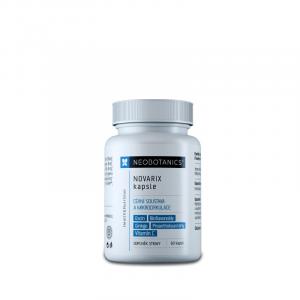


What barley water actually is and how it is prepared
Barley water is prepared simply: pearled or wholegrain barley is soaked in water, allowed to boil, and the resulting liquid is strained. Sometimes lemon juice, honey or ginger is added to improve the flavour. The result is a gently cloudy drink with a neutral to slightly nutty taste, which can be drunk warm or cold. It is precisely this simplicity of preparation that made it an accessible remedy for everyone over the centuries – from poor rural families to royal courts.
In Great Britain, the drink known as barley water was for decades an inseparable part of Wimbledon, where it was served to players and spectators alike as a refreshing and hydrating drink. The traditional recipe of lemons and barley existed there long before it was taken over by commercial manufacturers. This example shows that barley water was never merely an "alternative" matter – it was simply part of everyday life.
From a nutritional perspective, barley water is interesting for what it absorbs from the barley during boiling or soaking. What passes into it is primarily beta-glucan – a type of soluble fibre characteristic of barley – along with B vitamins, minerals such as magnesium, iron and zinc, and various antioxidants. The quantity of these substances depends on the method of preparation: the longer the barley is boiled and the less the resulting liquid is diluted, the richer the drink produced.
Kidneys and digestion: two areas where barley water truly helps
When barley water is discussed in connection with health, two areas are most frequently mentioned: support for the kidneys and support for digestion. And it is precisely here that it is interesting how traditional experience and modern research speak surprisingly similarly.
The kidneys are an organ that receives little thought in everyday life – until they start to hurt. Yet their proper function depends on one seemingly trivial thing: adequate fluid intake. The kidneys filter the blood, remove waste substances and regulate the balance of minerals in the body. When a person drinks too little or drinks unsuitable beverages, the kidneys work under difficult conditions and the risk of developing kidney stones, urinary tract infections or chronic inflammation increases.
Barley water acts on several levels in this regard. First, it simply increases fluid intake – and does so in a pleasant way, because it has a flavour that motivates one to drink more than plain water does. Second, it has traditionally been attributed a diuretic effect, meaning the ability to promote urine production and thereby help the body rid itself of waste substances. Some studies suggest that regular consumption of barley water may contribute to reducing the level of uric acid in the blood, which is a key factor in the development of gout and certain types of kidney stones. Research published in the Journal of Renal Nutrition pointed out that natural drinks rich in fibre and antioxidants may play a supportive role in the prevention of kidney disease.
Let us consider a specific example: Mrs Jana, a sixty-year-old teacher from Brno, decided to change her drinking habits after repeated problems with urinary tract infections. On her doctor's recommendation, she began drinking a glass of homemade barley water with lemon every morning. After three months, she noticed a significant improvement – less frequent infections, a better sense of hydration and more comfortable digestion. Her story is not exceptional; similar experiences are shared by people around the world who have returned to this drink.
As regards digestion, barley water acts as a gentle but effective aid. Beta-glucan, which passes into it from the barley grain, is a well-studied substance. According to information from the World Health Organization and numerous nutritional studies, soluble fibre helps slow the absorption of sugars into the blood, lower cholesterol levels and support a healthy environment in the intestines. Regular consumption of barley water may therefore help people who suffer from irregular bowel movements, bloating or a feeling of heaviness after meals.
It is interesting that barley water is also mildly alkaline, which may be beneficial for people who suffer from excess stomach acid or reflux. While acidic drinks such as coffee or citrus juices can worsen these complaints, barley water has the opposite effect of a calming influence on the digestive tract. It is no coincidence that in traditional medicine it was given to the sick and to convalescents as one of the first drinks during recovery from intestinal illnesses.
As the old Hippocratic principle states: "Let food be thy medicine and medicine be thy food." Barley water embodies this idea perhaps better than many modern dietary supplements.

Further benefits worth mentioning
It would be an oversimplification to speak of barley water only in relation to the kidneys and digestion. Its potential benefits are broader, although it is important to remain measured and not overestimate any single drink as a cure-all.
One area is blood sugar regulation. Beta-glucan slows the absorption of glucose from the intestines, meaning that after consuming barley water there are no sharp fluctuations in blood sugar levels. For people with prediabetes or type 2 diabetes, regularly incorporating barley water into the diet may be a useful complement to other dietary measures – always, of course, after consultation with a doctor.
Another interesting aspect is the effect on cholesterol levels. Clinical studies have repeatedly confirmed that beta-glucan from barley contributes to lowering LDL cholesterol, the so-called "bad" cholesterol. The European Food Safety Authority (EFSA) has even approved a health claim that beta-glucan from barley contributes to the maintenance of normal blood cholesterol levels – which is a fairly strong recognition from a regulatory body.
Barley water is also rich in antioxidants, particularly in compounds called tocotrienols, which belong to the vitamin E family. Antioxidants help neutralise free radicals, which damage cells and contribute to ageing and the development of various chronic diseases. Regular intake of antioxidants from natural sources is generally considered part of a healthy lifestyle.
The influence on weight and the feeling of satiety is also not negligible. Because beta-glucan slows gastric emptying, barley water prolongs the feeling of fullness. People who drink it before meals or instead of sweetened beverages naturally reduce their total caloric intake – without dieting, without counting calories, without a feeling of deprivation.
Nevertheless, it is important to state one thing clearly: barley water is not a medicine. It cannot replace medical care, and if someone suffers from kidney disease, diabetes or another serious health problem, they should consult their doctor before making any changes to their diet. What barley water offers is natural support for the body – not a miraculous cure.
When it comes to practically incorporating barley water into everyday life, the simplest approach is to start with one glass a day, ideally in the morning on an empty stomach or before the main meal. Home preparation is easy and inexpensive: a tablespoon of pearled barley per litre of water, twenty minutes of boiling and straining is all it takes. Those who want a more pronounced flavour can add lemon juice, a teaspoon of honey or slices of ginger. The resulting drink can be stored in the refrigerator for up to three days.
It is also worth knowing that barley water is not suitable for people with coeliac disease or serious gluten intolerance, as barley contains gluten. For everyone else, however, it is a safe and natural drink without significant side effects.
At a time when shop shelves are bursting with dietary supplements, protein powders and functional drinks costing hundreds of crowns, it is worth reflecting that one of the most effective aids for kidney and digestive health comes from an ordinary barley grain that people have been cultivating for thousands of years. Barley water is not a trend – it is a tradition that deserves a second look. And perhaps it is precisely this simplicity and accessibility that is the reason the modern world overlooked it for so long. Now that we are returning to it, we also have scientific evidence that gives traditional wisdom a new dimension.