

Sleep apnea in women manifests differently than in men
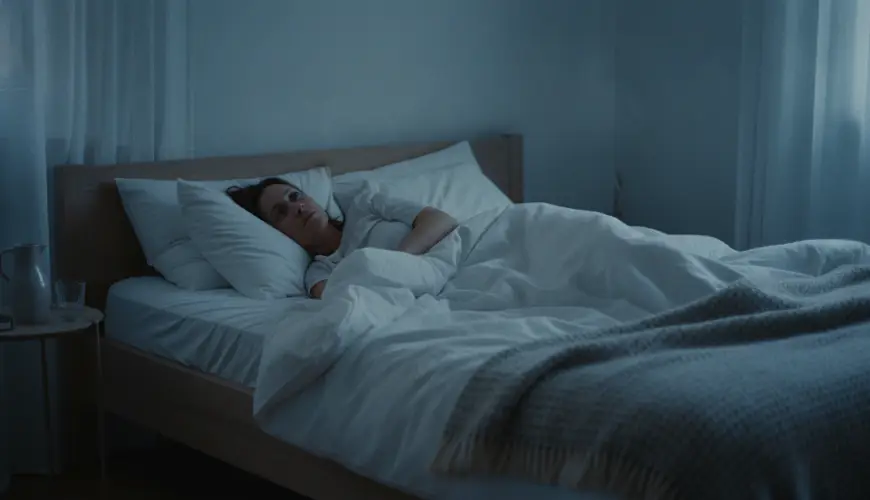
When people hear "sleep apnea," most imagine a loudly snoring, overweight middle-aged man who chokes during the night and wakes up tired in the morning. While this image isn't entirely wrong, it is dangerously incomplete. Sleep apnea in women is far more widespread than long assumed, yet it remains one of the most frequently overlooked diagnoses in all of modern medicine. The reasons are both fascinating and troubling — rooted in biology, in physicians' biases, and in how women describe themselves when they come in for an examination.
Sleep apnea is a breathing disorder during sleep in which breathing repeatedly stops — sometimes for just a few seconds, other times for half a minute or longer. The brain and heart are deprived of oxygen during these moments, the body repeatedly wakes to restore breathing, and the result is fragmented, non-restorative sleep. According to the World Health Organization, sleep disorders are serious health problems with direct impacts on the cardiovascular system, metabolism, and mental health. Yet it is estimated that up to 90% of women with sleep apnea remain undiagnosed.
Try our natural products

Why Women Go So Long Without a Diagnosis
The key problem is that sleep apnea in women simply presents differently. While men come to their doctor with snoring and breathing pauses noticed by a partner, women complain of fatigue, morning headaches, irritability, depression, or insomnia. These symptoms are so general that physicians easily attribute them to stress, hormonal fluctuations, anxiety, or work overload. The woman leaves the office with advice to rest more or a prescription for antidepressants — and the true cause of her problems may go undetected for another ten years.
Take, for example, a forty-three-year-old teacher from Brno who had been treated for years for depression and chronic fatigue. Only when her husband pointed out that she was breathing irregularly at night and occasionally seemed to hold her breath did she undergo a sleep study — polysomnography. The result: moderate obstructive sleep apnea. After beginning treatment with a CPAP device, her mood and energy improved dramatically, without a single change in her antidepressant medication, which her doctor eventually gradually discontinued.
This story is not an exception. It is the rule. The average time from first symptoms to a sleep apnea diagnosis in women is up to eight years in some studies, compared to approximately three years for men. Part of the problem lies in the fact that sleep apnea research has historically been conducted predominantly on male subjects, meaning diagnostic criteria and clinical presentations are described primarily based on male physiology. Research published in Sleep Medicine Reviews repeatedly highlights this gap and calls for a more gender-sensitive approach to diagnosis.
Hormones also play a role. Estrogen and progesterone have a protective effect on the muscle tone of the upper airways and on the respiratory center in the brain. This is why sleep apnea in premenopausal women is genuinely less common than in men of the same age — but after menopause, this gap closes rapidly. In postmenopausal women, the risk of sleep apnea is approximately two to three times higher than in their peers of reproductive age. Hormonal changes simply remove the natural protective shield, and many women attribute this to "normal aging" or menopausal complaints rather than looking for the cause in their sleep.
Pregnancy is another risk period that receives too little attention. Weight gain, changes in diaphragm position, and hormonal shifts combined with mucosal swelling can lead to the development or worsening of sleep apnea at precisely the time when healthy sleep is absolutely critical for both mother and child. Research suggests a connection between undiagnosed sleep apnea during pregnancy and a higher risk of preeclampsia, gestational diabetes, or premature birth — yet routine screening for sleep-disordered breathing is almost never performed in prenatal care.
Symptoms Women Overlook Themselves
Interestingly, women often explain their difficulties differently than men do — even when the symptoms are similar. A man says, "I'm tired because I sleep poorly." A woman says, "I'm tired because I have too many responsibilities." This self-perception plays a significant role in whether they seek professional help at all.
Symptoms that should raise suspicion of sleep apnea in women include:
- Chronic fatigue and feeling unrested even after an apparently sufficient amount of sleep
- Morning headaches, particularly in the occipital region
- Irritability, mood swings, depression, or anxiety without an obvious cause
- Difficulty concentrating and memory problems, often described as "brain fog"
- Frequent nighttime awakenings or inability to fall asleep
- Night sweats or heart palpitations
- Dry mouth or sore throat upon waking
- Less common but present: snoring (quiet or interrupted) and breathing pauses that a partner may notice
As can be seen, a large portion of these symptoms can easily blend into the picture of an overworked woman, hormonal imbalance, or psychological stress. This is precisely why it is important for both women themselves and their physicians to consider sleep apnea as a real possibility — even when the presentation does not match the classic "male" pattern.
As leading American sleep specialist Dr. David Gozal once noted: "Sleep apnea in women is like a disease in disguise. It wears a different mask, speaks a different language, and that's why we miss it so easily." This metaphor captures perfectly why awareness in this area is so important.
Sleep apnea is most commonly diagnosed through a sleep study — either in a specialist sleep laboratory (polysomnography) or using a home monitoring device. Although the second option is less precise, many women find it more acceptable and accessible. The gold standard treatment is the CPAP device (Continuous Positive Airway Pressure), which keeps the airways open using gentle air pressure. However, alternatives also exist — mandibular advancement devices, positional therapy, or in indicated cases, surgical intervention.
Beyond medical treatment, lifestyle also plays a significant role. Healthy sleep, physical activity, a balanced diet, and maintaining an optimal body weight are factors that can significantly influence the severity of apnea. Women who choose to support their sleep through natural means increasingly turn to products promoting overall wellbeing — from quality ergonomically shaped pillows to natural dietary supplements and relaxation techniques and breathing exercises before bed. These are not replacements for medical care, but meaningful complements that help the body function better.
An important part of self-care is also how women approach their everyday environment. Air quality in the bedroom, humidity, temperature, and the materials from which bedding and pajamas are made can all affect the quality of breathing during the night. Natural materials such as cotton, linen, or bamboo are more breathable than synthetic fabrics and help prevent the body from overheating at night — which is especially important for women going through menopause who suffer from night sweats.
Sleep apnea is also not merely a matter of comfort or quality of life — it is a health risk with serious long-term consequences. Undiagnosed and untreated sleep apnea increases the risk of high blood pressure, cardiac arrhythmias, heart attack, stroke, and type 2 diabetes. In women, this risk is actually higher than in men with the same severity of the condition, as data from a large study published in JAMA Internal Medicine shows. In other words: a missed diagnosis carries more serious health consequences for women than might initially appear.
It is therefore time to change the way we think about sleep apnea. It is not a "male disease." It is not just snoring. And fatigue, irritability, or depression in a woman are not automatically the result of overwork or hormones — they may be a signal that the body is not receiving the oxygen it needs during the night. Every woman who wakes up tired despite adequate sleep has the right to ask whether something more is behind it. And every physician examining such a woman should have sleep apnea on their diagnostic radar — regardless of whether the patient snores or not.
Healthy sleep is not a luxury. It is the foundation of everything else — energy, mood, immunity, cognitive function, and long-term health. And for women who have been struggling with unexplained fatigue or other symptoms for years, the right diagnosis can literally change their lives.