

Seated desk exercises you can do even during a meeting
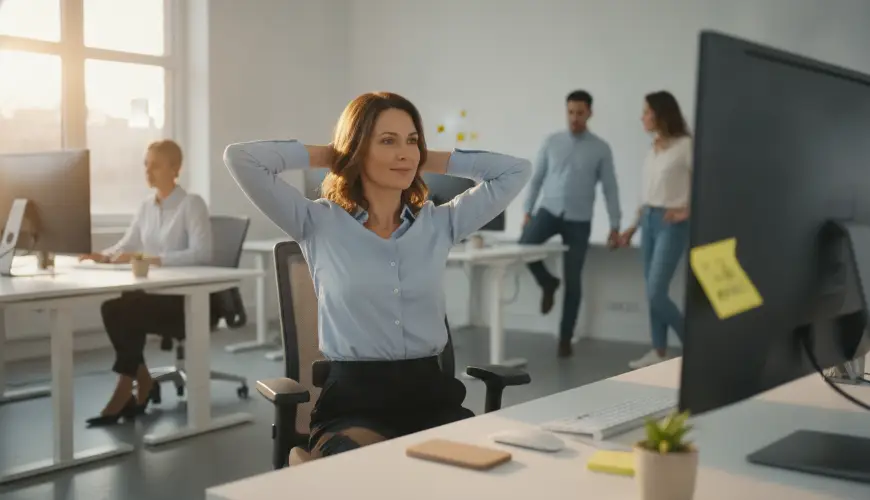
Every person who spends most of their working day at a computer knows the feeling well. Shoulders creep up toward the ears, the back arches into a curve, and a dull ache settles in the lumbar region that becomes almost unbearable by late afternoon. The usual response? A few head rolls, stretching the neck to both sides, and back to work. But this ritual, however adequate it may seem, actually addresses only a fraction of the problem. The movement poverty of sedentary work cannot be remedied by symbolic gestures – the body needs real work, even when it remains in the chair.
The average Czech spends approximately 8 to 10 hours a day sitting, a figure that includes not only working hours but also commuting and evening relaxation in front of the television. According to the World Health Organization, insufficient physical activity is the fourth most common risk factor for global mortality. A sedentary lifestyle is not merely a matter of discomfort or aesthetics – it is a public health problem with serious consequences for the cardiovascular system, metabolism, and mental health.
Yet the solution does not necessarily mean getting up from the desk every twenty minutes or installing a cycling desk. There are exercises that can be performed directly in an office chair that genuinely engage muscles, improve circulation, and strengthen core stability. These are not exercises that require special equipment or would disturb colleagues in an open-plan office.
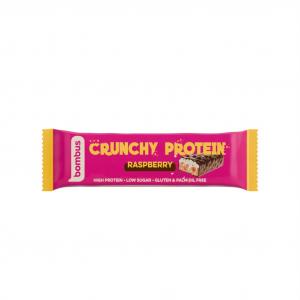
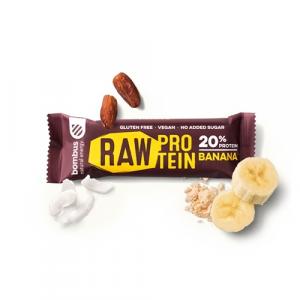
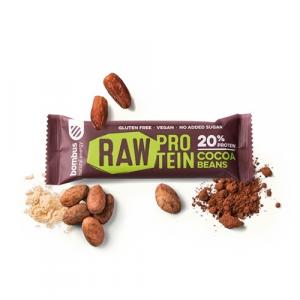
Try our natural products

Why stretching your neck is not enough
The neck is a popular target for office "exercise" for an understandable reason – it hurts most often and most visibly. But neck pain is generally a symptom, not a cause. The real problem with sedentary work lies deeper – in weak deep spinal stabilisers, in weakened gluteal muscles, and in chronically shortened hip flexors. The neck then suffers because it takes over the work of muscles that are not supposed to be doing it – and stretching the neck does nothing to address this imbalance.
Physiotherapists repeatedly draw attention to a phenomenon known as "dead butt syndrome" – a condition in which the gluteal muscles cease to function properly during prolonged sitting and their work is taken over by the back and lumbar muscles. The result is overloading of the entire posterior chain, which manifests precisely as that pain in the lower back and neck. As physiotherapist and author Kelly Starrett aptly put it: "Sitting is like sugar – a little is fine, but modern doses are toxic."
It follows that meaningful desk exercise must target the whole body, not just the area that currently hurts. This is a systemic approach, not a patch for one specific problem.
An interesting example is provided by the experience of many people working in hybrid arrangements. Those who began consciously incorporating shorter movement sequences directly into their working day – without going to the gym or setting aside time for sport – reported significant improvements not only in physical wellbeing but also in concentration and productivity. This is no coincidence: movement increases blood flow to the brain and promotes the release of neurotransmitters associated with attention and motivation, as research published in the British Journal of Sports Medicine demonstrates.
Seated exercises that genuinely work the body
Before we look at specific movements, it is important to bear one thing in mind: effective desk exercise is not the same as passive stretching. It involves active muscular work, conscious engagement of the deep stabilising system, and movements that extend beyond the desk itself. The following exercises are designed so that virtually anyone can do them – regardless of age or current fitness level.
Isometric abdominal activation is perhaps the simplest yet most underrated technique. Simply sit up straight, inhale, and on the exhale consciously draw the navel toward the spine, as though bracing for a punch to the stomach. Hold this contraction for 10 to 15 seconds, then release. Repeating this movement several times an hour awakens the deep abdominal muscles that fall entirely dormant during passive sitting. The result is better spinal support and a gradual reduction in lower back pain.
Seated gluteal activation works on a similar principle. Squeeze both buttocks firmly, as though trying to hold a coin between them, and hold the contraction for 10 seconds. The movement is completely invisible from the outside, so it can be performed even during a video call or meeting. Nevertheless, it is one of the most effective ways to rouse muscles that do almost no work while sitting.
Another highly effective element is seated knee raises, which target the hip flexors while also activating the lower abdomen. Sitting with a straight spine, raise one knee as high as possible, hold it in the air for two to three seconds, then slowly lower it back down. Alternating legs for ten repetitions each creates an unobtrusive but effective movement stimulus. Adding light resistance from the hands – pressing the palm down on the thigh while the leg pushes upward – creates an isometric exercise that significantly increases the intensity.
Trunk rotation is a movement that is particularly valuable at the desk, because sitting itself completely eliminates rotation. Sitting with a straight spine, cross the arms over the chest or place the hands behind the head and slowly rotate the trunk as far as possible to the right, then to the left. It is important that the movement occurs in the thoracic spine, not just in the shoulders. This rotation improves mobility in the thoracic spine, which suffers most during computer work, and opens up the spaces between the vertebrae.
Ankle and calf exercises are also highly beneficial – shifting weight from heels to toes and back, rotating the ankles, or alternately raising the toes and heels from the floor. These movements may seem trivial, but they have one very specific and scientifically supported effect: they activate the muscle pump in the calves, which helps return blood from the lower limbs back to the heart. During prolonged sitting this pump does not work, blood pools in the leg veins, and there is a risk of swelling or, in extreme cases, thrombosis. Regular ankle and calf exercises are therefore not only pleasant but genuinely preventive.
A more complex exercise that can be performed at the desk with sufficient space is the stand-up without using the hands. From the working position, stand up and then slowly sit back down without leaning on the armrests or the desk. This movement engages the gluteal muscles, quadriceps, and deep stabilisers and represents one of the most natural functional movements there is. Research even suggests that the ability to perform this movement smoothly and without support correlates with overall physical fitness and even with longevity – see the study by Brazilian physician Claudio Gil published in the European Journal of Preventive Cardiology.
How to turn this into a genuine habit
Knowing the exercises and actually doing them are two entirely different things. The greatest obstacle is not a lack of information, but the absence of routine. The most effective way to build seated movement into the working day is so-called habit stacking – attaching a new behaviour to an existing habit.
For example: every time a video call starts, activate the gluteal muscles for the first two minutes. Every time you wait for a file or webpage to load, rotate the trunk to both sides. Every time you go to get a coffee, do five slow squats before leaving the desk. These small movement breaks may seem negligible at first glance, but cumulatively they can add dozens of minutes of movement each day – entirely without the need to set aside special time for exercise.
A visual reminder also helps. A sticky note on the monitor with a simple symbol, or a recurring reminder in the calendar every hour, can overcome the brain's natural tendency to ignore the body's movement needs when concentration is fully focused on work tasks.
People who work from home also have the advantage of greater privacy and freedom. They can afford to stand up and perform a short series of exercises without worrying about colleagues' reactions. But even in the office, movement is increasingly accepted – and employers who support movement breaks report lower rates of sick leave and higher team productivity, as data from the Harvard Business Review shows.
It is also important to set realistic expectations. Seated exercise is not a substitute for regular sport, walking, or other forms of movement. It is a supplement, a safety net for days or hours when movement would otherwise simply not happen. The body needs different types of movement stimuli at different intensities – and office exercise represents the lowest, yet also the most accessible, layer of the entire movement pyramid.
A healthy lifestyle does not mean a perfect gym performance three times a week. It means a conscious relationship with your own body every day – including those days when you sit at a desk from morning to evening and deadlines come one after another. It is precisely on such days that it matters whether a person activates their gluteal muscles five times during the working day or merely turns their neck five times. The difference may not seem significant at first glance, but over months and years it accumulates into how the body feels, how it functions, and how long it lasts.