

Micro-inflammations in the body, which appear inconspicuous, can affect energy and mood

Silent aching, fatigue, poor sleep, a feeling of "something's just not right." Many people ignore these minor signals because they can function with them. However, this is the insidious nature of a phenomenon that has been increasingly discussed in recent years: microinflammations in the body. It's not a dramatic infection with a fever, but a low-grade, long-term inflammatory "hum" that can subtly affect energy, mood, and long-term health. What exactly does it mean, what are microinflammations in the body and what are their causes, and importantly, how to fight them and protect oneself, when one doesn't want to live in constant fear of every bite?
Try our natural products
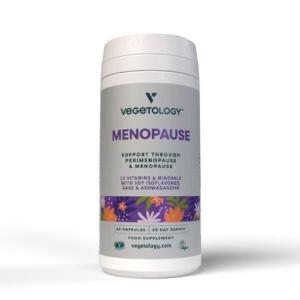
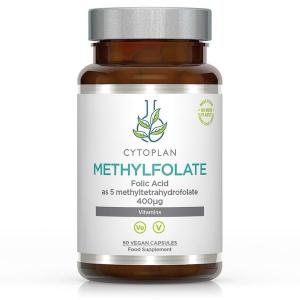
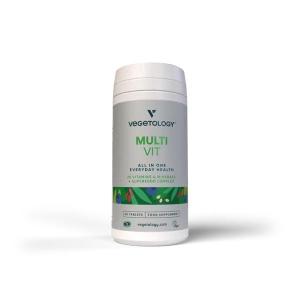
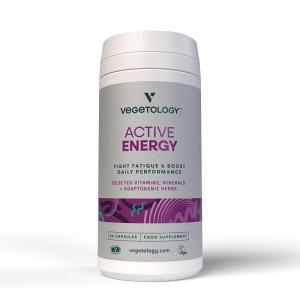

What are microinflammations in the body and why are they referred to as a "silent fire"
Inflammation itself is not an enemy. It is a natural defense mechanism that helps the body deal with infection, injury, or toxins. When a person cuts their finger, redness, swelling, and pain are signs that the immune system is working. The problem arises when the inflammatory response doesn't flare up briefly and purposefully but maintains a low level over weeks, months, or years.
This is commonly referred to as microinflammations (technically known as chronic low-grade inflammation). It's not one specific disease, but rather a condition that can accompany various issues and increase the risk of lifestyle diseases. Some scientific institutions describe chronic inflammation as a factor contributing to the development of a range of conditions, from metabolic problems to cardiovascular diseases; for a comprehensive overview, see Harvard Health Publishing.
Microinflammations are tricky because they may not manifest as a single clear symptom. Rather, it's a mosaic: a person regenerates more slowly, gets sick more frequently, has "heavier" mornings, erratic digestion, and skin that reacts more sensitively than before. And then comes the question that many people ask too late: isn't this all just the price of a modern lifestyle?
A small real-life example that sounds all too familiar
Imagine a typical workweek: morning coffee in hand, breakfast on the go or at the computer, a quick "something" for lunch between meetings, a late dinner in the evening. Add to this limited daylight, little exercise, and sleep that ends sooner than the body would prefer. After a few months of such a regime, small issues can appear: bloated stomach, strange cravings for sweets, stiff back, irritability. Nothing that would require calling an ambulance. But this type of long-term pressure can maintain mild inflammatory activity in the body, which eventually manifests externally.
"The body often doesn't remember individual exceptions but remembers the long-term trend." This simple sentence captures why it makes sense to address microinflammations more as a lifestyle direction than a short-term diet.
The most common causes of microinflammations: why the body enters the "always on alert" mode
When discussing what microinflammations in the body are and their causes, it usually turns out that it's not one thing. Rather, it's a combination of small influences that add up. Some are obvious, others surprisingly subtle.
A significant role is played by long-term stress. Not the one-time stress that spurs performance, but stress that drags on for weeks: switching attention, performance pressure, lack of rest. Stress hormones can affect immune responses, and when the body doesn't have a chance to "turn off," it easily remains in alert mode. Added to this is a lack of sleep — a combination the body perceives as a signal to conserve, defend, and remain vigilant.
The second major area is diet and overall metabolic load. It's not that there's one "inflammatory" food that spoils everything. Rather, problems arise with a long-term predominance of industrially processed foods, excess added sugar, lack of fiber, and overeating. The body then more frequently fluctuates between rapid energy swings and fatigue, which can support inflammatory processes. For context around healthier eating patterns and their relationship to inflammation, the Mediterranean diet is often mentioned; a comprehensive overview is provided by Mayo Clinic.
The condition of the gut microbiome is also significant. The intestines are not just a "tube for digestion" — they are also a place where important communication with the immune system occurs. When the diet lacks fiber and ultra-processed foods prevail, the microbiome can lose diversity. And when the microbiome is long-term out of balance, the body can react more sensitively.
The environment also plays a role: smoking (including passive smoking), air pollution, long-term exposure to certain chemicals. One cannot completely avoid them, but one can reduce the "overall load" by choosing a gentler regime at home. Incidentally, this is where it makes sense to consider what is used daily on the skin and in the home — because even small things add up.
And then there's exercise. Not as punishment, but as a natural "reset." Long sitting without compensation is unusual for the body because the human organism is built for walking and alternating loads. When one doesn't move, circulation, regeneration, and metabolic flexibility worsen. Conversely, moderate activity often has a favorable impact on inflammatory processes.
It's fair to add that sometimes a specific health problem, which requires a doctor's care, is behind chronic inflammation — for example, untreated periodontal disease, chronic infection, autoimmune diseases, or significant obesity. Therefore, it's useful to view microinflammations as a signal for overall care, not as a self-diagnosis.
How to fight microinflammations and protect oneself: small changes with surprising effects
The good news is that fighting microinflammations usually doesn't look like a dramatic life revolution overnight. More often, it's a return to basics. And also about choosing a few steps that are sustainable in the long term — because microinflammations in the body develop over the long term, and they also calm down over the long term.
The basic pillar is food that supports stable energy. Practically, this means shifting from "quick" calories to real foods: more vegetables, legumes, whole grains, nuts and seeds, quality proteins, and a moderate amount of fats. Fiber is important — not only for digestion but also for the microbiome. When regularity and smaller sugar intake fluctuations are added, the body often calms down sooner than one would expect.
At the same time, it's worth not overdoing it with "perfection." If every meal becomes a test of morality, stress can paradoxically override the benefits. It's much better to think in averages: what is usually eaten, what is drunk daily, what does a typical week look like.
A very practical protection against microinflammations is quality sleep. Not as a luxury, but as a biological necessity. When sleep is shortened and fragmented, the body regenerates worse, manages cravings worse, and is more sensitive to stress. A simple "evening routine" often helps: dimming the lights, putting away the phone, having the last coffee earlier, ventilating, and keeping approximately the same bedtime. There's no need to immediately measure every phase of sleep — what's more important is whether waking up feels like the body had a chance to recharge.
Exercise is another pillar that can be approached friendly. It's not about running a marathon but about incorporating walking, light strengthening, and occasionally getting a bit out of breath into the day. When one exercises regularly, the body often manages energy better, and the mind calms down too. Sometimes it's enough to get off a stop earlier, take a ten-minute walk after lunch, or stretch the back in the evening. It sounds trivial, but "trivial" habits are the easiest to maintain.
And then there are things that are often underestimated: mouth and dental care, hydration, being outdoors, exposure to daylight. Chronic gum inflammation can be a long-term burden on the body, just like repeated switching between dehydration and being over-caffeinated. Here, it becomes clear that protection against microinflammations is not just about what is eaten, but also about how one lives.
It's also useful to consider the home environment. If aggressive cleaners, strongly scented products, or synthetic air fresheners are frequently used at home, sensitive individuals may perceive this as unnecessary stress. Choosing gentler options, ventilating, and following the simple principle of "less, but better" makes sense not only ecologically but also practically. An eco-friendly home is not just a trend — it's often a way to reduce the number of irritating stimuli that accumulate day after day.
One of the best steps is learning to manage stress so that it doesn't become a continuous soundtrack. Sometimes psychotherapy helps, other times breathing exercises, yoga, regular walking, journaling, or simply having genuine free time without performance. It sounds cliché, but the body really responds to whether it has room for regeneration. And regeneration is key to calming microinflammations.
If there should be a single simple "checklist" that can be tried without much fuss, it might look like this:
- More real food (vegetables, legumes, whole grains, nuts) and less ultra-processed foods; regularly and without extremes
- Sleep as a priority (regularity, fewer screens in the evening, cooler room)
- Daily movement (walking + light strengthening, ideally also outdoor time)
- Less long-term stress (real breaks, breathing, therapy, workplace boundaries)
- Gentler home and body care (less irritating chemicals, reasonable cosmetics, ventilation)
The important thing is that these steps support each other. When sleep improves, cravings and mood often improve too. When food improves, there's more energy for movement. When one moves more, falling asleep is easier. And when unnecessary stress at home is reduced, a sensitive organism can "relax" and stop being in defensive mode.
Microinflammations often cannot be "felt" directly, but the body can signal that something is calming: better digestion, fewer energy slumps, more stable mood, easier falling asleep, less tension in the body. And if the signals don't improve or additional issues arise, it's wise to discuss it with a doctor and have basic tests done. Health care is not a test of endurance.
In the end, it turns out that the question "how to fight microinflammations and protect oneself" is not about finding a single miraculous food or supplement. It's more about creating an environment — in the plate, in the schedule, and at home — where the body doesn't have to constantly defend itself. And when this space begins to consist of small, realistic changes, it's often precisely this type of sustainability that makes sense for both a healthy lifestyle and a more considerate everyday life.