
How to Treat Damaged Hair and Restore Its Shine and Strength
When Hair Calls for Help - How to Truly Care for Damaged Hair
Sun, straighteners, hair dryers, coloring, stress, and polluted air - these are all enemies of healthy hair. Anyone who has ever gone through a period when their hair became dry, brittle, dull, and weak knows how frustrating it can be to look in the mirror. Damaged hair is not just an aesthetic problem. It often indicates a lack of hydration, nutrition or exposure to excessive mechanical or chemical stress. But the good news is that even the most damaged hair can be helped.
The key to regeneration is understanding what exactly the hair needs, followed by patient and gentle care. In this article, we'll look at how to recognize damaged hair, what to watch out for when choosing care products, and why it makes sense to invest not only in quality shampoo for damaged hair but also in nourishing masks - whether from the drugstore or the kitchen.
How to Recognize Damaged Hair
Not every dry hair is necessarily damaged. The difference is that damaged hair loses its structure - the cuticle, the outer protective layer. With regular daily wear and tear, the cuticle scales can be damaged or even broken off, making the hair porous, fragile, and susceptible to further damage.
Problems you can easily spot on your hair include split ends, dryness and roughness to the touch, breakage when combing, a dull color without life, and less elasticity. If significant hair loss is also present, it's probably time to give your hair more care.
The story of a reader from the portal Ženy.cz illustrates this clearly: "After years of dyeing my hair blonde and straightening it every day, I realized one day that my hair felt like straw. Nothing I knew from advertisements helped." Thousands of people share this type of experience, often seeking solutions in online forums and discussions - frequently asking: "What is the best shampoo for damaged hair? Recommendations?"
Choosing a Shampoo - What Really Matters
When looking for the best shampoo for damaged hair, it can be easy to fall for the allure of marketing slogans. But a truly effective shampoo should adhere to the basic rule: do no further harm. This means no aggressive sulfates, parabens, or alcohol. Instead, gentleness, hydration capability, and content of regenerative ingredients like keratin, panthenol, plant oils, or proteins are important.
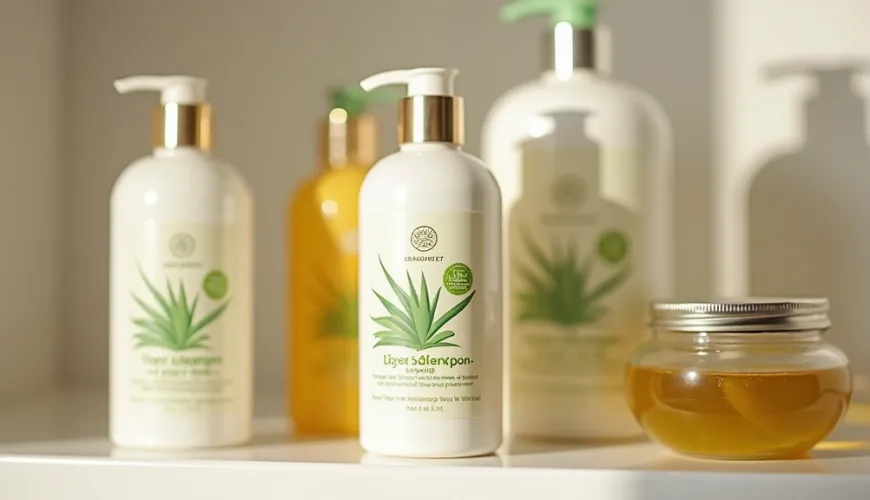
One of the often-recommended products in discussions about shampoos for damaged hair is a natural shampoo containing aloe vera, argan oil, and without SLS (sodium lauryl sulfate). Natural ingredients and the absence of irritating substances are a small revolution for damaged hair. Popular brands include Urtekram, Faith in Nature, or the Czech brand Havlíkova apotéka - these products combine gentleness to the scalp with active help for the hair fiber.
But even the best shampoo is just the beginning. True regeneration starts deeper.
Mask as a Savior - Regular Nourishment Makes Sense
While shampoo cleanses and prepares hair for further care, a mask for damaged hair is what truly penetrates deeply and helps repair the disrupted structure. Regular use of masks - ideally 1-2 times a week - can significantly improve elasticity, shine, and overall hair texture.
Many consumers ask whether it makes sense to invest in professional masks or if a homemade mask for damaged hair will suffice. The answer is surprisingly simple - both can work if you know what you're doing.
Homemade Masks - Help from the Kitchen
If you're looking for a natural path, homemade masks for damaged hair can be a great solution. You don't need expensive products, just a few quality ingredients. Especially popular are these types:
- Avocado Mask - avocado is rich in healthy fats, vitamins A, E, and D. Mashed avocado mixed with a tablespoon of honey and a bit of coconut oil hydrates and regenerates.
- Egg Yolk Mask with Olive Oil - yolk adds proteins to the hair, while olive oil provides shine and elasticity.
- Banana Mask with Honey - suitable for very dry and brittle hair, it acts as a moisturizer and nourishes deeply.
When applying a homemade mask, it's important to first wash your hair with shampoo, lightly towel dry it, and then apply the mask. Leave it on for at least 20 minutes, ideally under a towel or shower cap, and rinse thoroughly.
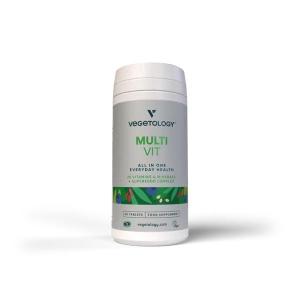
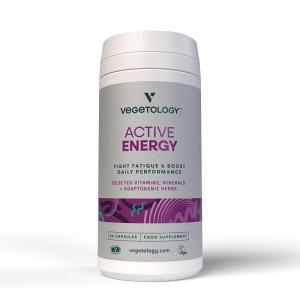
Try our natural products

Regeneration is Not a Sprint
Caring for damaged hair is a long-distance run. You can't expect even the best shampoo or mask to work miracles overnight. Just like healing skin after a burn, hair fibers need time and gentle handling. This means minimizing heat treatments, avoiding dyeing and permanent styling, using a protective spray when blow-drying, and combing gently, ideally with a brush with natural bristles.
In addition to external care, what we eat also has a big impact. Hair needs enough protein, B vitamins, zinc, iron, and omega-3 fatty acids. Try incorporating more nuts, seeds, legumes, avocados, and fish into your diet. Healthy hair begins from within.
What Do Experiences Say?
"I started using sulfate-free shampoo and apply a homemade avocado mask every week. It took about two months, but the difference was huge - my hair stopped breaking, it's shinier and easier to comb," writes user Michaela in a popular discussion on Modrý koník. Similar experiences confirm that a combination of gentle care, quality natural products, and patience can bring truly visible results.
Ultimately, the most important thing is not to find a "miracle" product but to understand what your hair needs and what harms it. Damaged hair cannot be restored with the snap of a finger, but with good care and proper habits, its condition can be significantly improved. Whether you opt for a professional keratin mask or make a banana mask from homemade ingredients every Sunday, you're signaling to your hair that you care about it. And sooner or later, it will reward you for it.