

Get rid of microplastics in cosmetics with natural alternatives that work just as well
Every day, we apply dozens of cosmetic products to our skin, hair, or body. Shower gels, scrubs, toothpastes, make-ups, UV filter creams – the list is practically endless. Yet few people stop to think about what exactly these products contain. And this is precisely where microplastics enter the picture – tiny particles of synthetic polymers that have become one of the most discussed environmental topics in recent years. Although they are nearly invisible to the naked eye, their impact on the environment and human health is certainly impossible to overlook.
The term microplastics is heard today in the media, from the mouths of scientists, and in campaigns by environmental organizations. But what exactly do we mean by it? And why should we care whether they are part of our everyday cosmetics? The answers are not as simple as they might seem, because the problem of microplastics extends far beyond the bathroom shelf.
Try our natural products
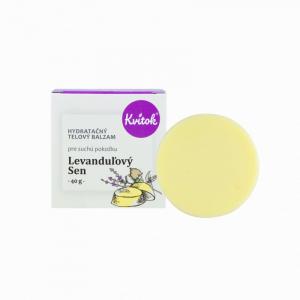
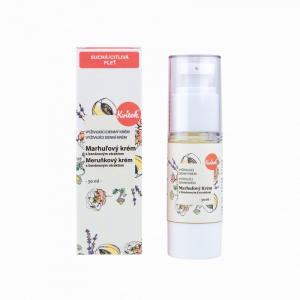
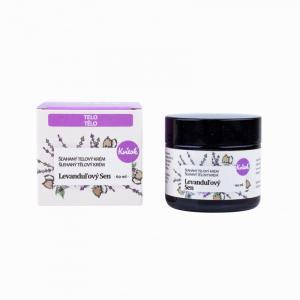
What are microplastics and why do they appear in cosmetics
Microplastics are synthetic polymer particles smaller than five millimeters. They can take the form of tiny beads, fibers, fragments, or even gel-like and liquid polymer substances. Science divides them into two basic categories – primary and secondary. Primary microplastics are intentionally manufactured in small sizes for specific industrial purposes, while secondary microplastics arise from the breakdown of larger plastic objects due to sunlight, mechanical wear, or chemical degradation. In cosmetics, we encounter predominantly the primary kind – those deliberately added.
The reason microplastics appeared in cosmetic products in the first place is purely practical. Manufacturers discovered that tiny polyethylene beads function as excellent abrasive particles in exfoliating products – they gently remove dead skin cells and leave a smooth surface. Compared to natural alternatives such as ground nut shells or sea salt, plastic microparticles are cheaper, uniform in size, and less irritating to the skin. Beyond scrubs, however, microplastics are also used as film-forming agents in make-ups, thickeners in creams, emulsion stabilizers, or carriers for active ingredients. Simply put, plastic polymers fulfill a whole range of technological functions in cosmetics, making them a very attractive raw material for manufacturers.
Among the most commonly used synthetic polymers in cosmetics are polyethylene (PE), polypropylene (PP), polymethyl methacrylate (PMMA), nylon, and polytetrafluoroethylene (PTFE). Some of these have a solid particulate form, while others are soluble or form gels. It is precisely this diversity of forms that complicates regulation and consumer awareness, because not every "plastic" in cosmetics looks like the typical microbead that most people imagine.
An interesting perspective on the scale of the problem is offered by a study by the European Chemicals Agency ECHA, according to which cosmetics and personal care products represent one of the significant sources of intentionally added microplastics that subsequently enter the environment. It is estimated that in the European Union alone, thousands of tons of microplastic particles are released from cosmetic products each year, flowing with water into sewage systems and subsequently into rivers, lakes, and seas.
The story of a Swedish family, reported some time ago by the Plastic Soup Foundation, illustrates how inconspicuous this problem is. The family decided to monitor all cosmetic products used in their household over the course of one month and identify those containing microplastics. The result? More than half of the products in their bathroom – from children's shampoo to the father's shower gel to the mother's hand cream – contained at least one form of synthetic polymer. These were ordinary, widely available brands that appeared completely innocuous.
What to watch out for when choosing cosmetics
Recognizing microplastics on a cosmetic product's packaging is not easy, but it is not impossible either. The key is knowing how to read the ingredient list, which is usually labeled as INCI (International Nomenclature of Cosmetic Ingredients). This standardized list states all the product's components in order of their concentration. The problem is that the names of synthetic polymers are mostly given in specialized chemical nomenclature and mean nothing to the average consumer.
However, there are several guiding indicators. If you find terms such as polyethylene, polypropylene, polyethylene terephthalate, polymethyl methacrylate, nylon-6, nylon-12 or abbreviations like PEG, PPG combined with high numbers on the packaging, there is a high probability that the product contains microplastics or synthetic polymers in some form. A very useful tool in this regard is the Beat the Microbead app, developed by the Plastic Soup Foundation, which allows you to scan a product's barcode and instantly find out whether it contains microplastics. The ECHA database works similarly, where you can look up information about specific chemical substances.
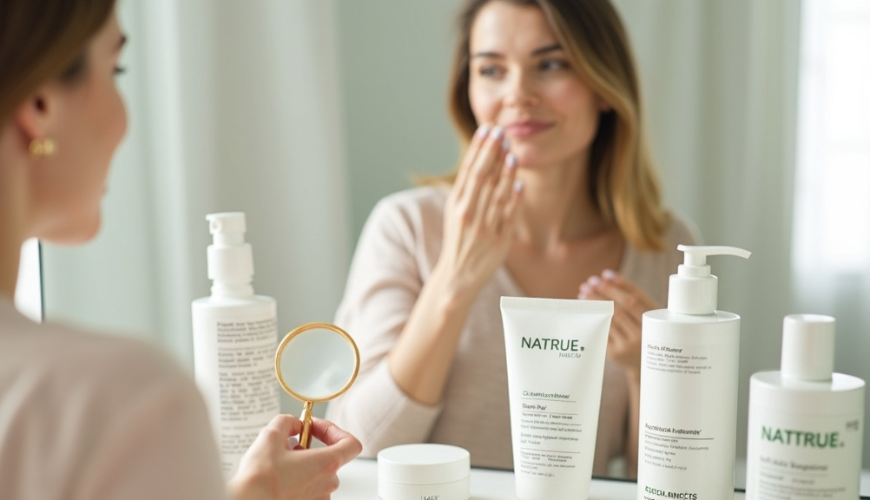
Another practical tip is to look for certifications. Products with certifications such as NATRUE, COSMOS, Ecocert, or BDIH generally do not permit the use of synthetic polymers and are thus a safer choice for those who want to avoid microplastics in cosmetics. Of course, no certification is a one hundred percent guarantee, but it represents a significantly higher standard than conventional cosmetics.
Special attention should be paid to product categories where the occurrence of microplastics is most likely. These include primarily exfoliating products (face and body scrubs), shower gels with "exfoliating beads", toothpastes with whitening or cleaning effects, make-ups and powders, sunscreens, and hair styling products. In scrubs, the presence of microplastics is often visible to the naked eye – they are those colored or transparent beads floating in the product. In other categories, detection is more difficult because the polymers may be dissolved or in gel form.
As biologist and science communicator Dr. Sherri Mason from Penn State Erie once said: "Microplastics are everywhere – in the water we drink, in the air we breathe, and in the products we apply to our skin daily. The first step toward a solution is awareness."
And awareness is indeed key. Many consumers are completely unaware that the problem exists until they actively start looking into it. Yet a relatively small change in shopping habits is all it takes – reading the label, choosing certified natural cosmetics, or using one of the available mobile apps – and the amount of microplastics we flush down the drain daily can decrease dramatically.
The question of the impact of microplastics on the environment is exceptionally serious. Once these tiny particles enter the water system, they are practically impossible to remove. Wastewater treatment plants can capture a significant portion, but far from all of them – according to research published in the journal Environmental Science & Technology, a non-negligible percentage of microplastic particles pass through treatment plants and subsequently contaminate aquatic ecosystems. In water, they then act as "magnets" for other pollutants – binding persistent organic pollutants, heavy metals, and other toxic substances to their surface. When plankton, fish, or other aquatic organisms ingest these contaminated particles, the toxins enter the food chain and ultimately end up on our plates.
The impact on marine ecosystems is being documented in ever greater detail. Studies show that microplastics are found in the digestive tracts of seabirds, fish, crustaceans, mollusks, and marine mammals. Some research suggests that microplastics can disrupt organisms' reproductive abilities, cause inflammatory reactions, and affect animal behavior. This is therefore not just an aesthetic problem of polluted beaches – it is systemic contamination that threatens ocean biodiversity.
And what about human health? Here, science is still in a relatively early stage of understanding, but the findings so far are not reassuring. Microplastics have been found in human blood, lungs, placenta, and intestines. A study published in the journal Environment International in 2022 demonstrated for the first time the presence of microplastic particles in human blood, meaning these particles can spread throughout the entire body. It is not yet entirely clear what long-term health consequences this may have, but researchers point to potential risks associated with inflammation, oxidative stress, and possible disruption of the endocrine system.
Regulatory bodies are beginning to respond to this problem. The European Union adopted a regulation in October 2023 that gradually bans the intentional addition of microplastics to a wide range of products, including cosmetics. Transition periods vary by product type – for rinse-off cosmetics with exfoliating microbeads, the ban is practically immediate, while for other categories, transition periods of up to twelve years are envisaged. It is a step in the right direction, but many environmentalists point out that the pace of change is too slow and that the definition of "microplastic" in the legislation still does not cover all forms of synthetic polymers used in the cosmetics industry.
For consumers who do not want to wait for legislation and want to act now, there are a number of practical alternatives. Natural scrubs based on sugar, salt, ground apricot kernels, bamboo powder, or clay offer comparable exfoliating effects without any plastic waste. Natural waxes and oils can replace synthetic film-forming agents in decorative cosmetics. And a number of small and larger brands today offer complete product lines that are entirely free of microplastics and synthetic polymers – you just need to look around a little.
If we consider how many cosmetic products an average person consumes over a lifetime and multiply that by the population of the Czech Republic alone, the outlines of a problem that far exceeds individual decisions begin to emerge. Every tube of toothpaste, every shower gel, every scrub represents a drop in the ocean – literally. And that is precisely why it makes sense to pay attention to what we buy, to read the ingredients on labels, and to support manufacturers who have chosen the path of sustainability. It is not about perfection or a radical lifestyle change overnight. It is about conscious decision-making that, in aggregate, can have a truly fundamental impact on the health of the planet and of ourselves.