

Cooking for two days in advance can help you eat better, even if you are busy during the week.
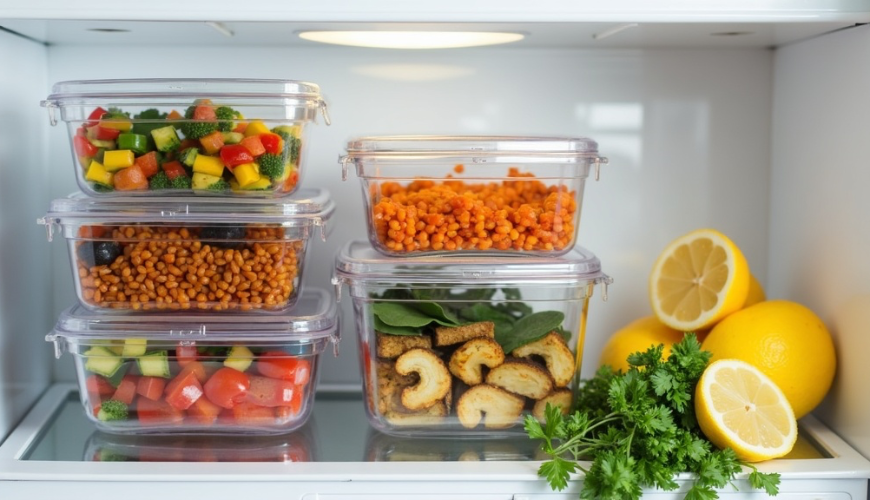
Cooking "in advance" is no longer just a discipline for fitness enthusiasts with a row of identical containers in the fridge. In recent years, it has become a common household habit that makes sense for practically anyone who wants to eat better, save time, avoid wasting food, and at the same time relieve themselves of the daily question: what's for dinner tonight? Cooking two days ahead is surprisingly an easy compromise – there's no need to plan for the whole week, yet the household immediately calms down. And when you add the magic of meal prepping, what once seemed like an unattainable ideal starts to work: having good food on hand without stress and unnecessary shopping.
It may sound trivial, but "cooking ahead" isn't just about the recipe. It's about the rhythm of the day, how one feels after work, and also how the household manages energy and ingredients. It's no wonder that planning and safe food handling are so often discussed in public recommendations – for example, the USDA Food Safety offers clear guidelines on food storage here. It's not about being anxious, but rather practical: if you're cooking, make it worthwhile.
Try our natural products





Why cook for two days in advance: less stress, more flavor
The most common reason to cook in advance is surprisingly simple: energy. When you come home tired, it's much easier to reach for something quick than to start cooking again. However, "quick" often means more expensive, less nutritious, and ultimately leaves you even more tired. Cooking two days in advance outsmarts this moment – the decision is made calmly a day before, and the next day you just have to heat it up.
The second factor is the wallet. When you cook thoughtfully, you shop less impulsively. Emergency food orders disappear, as do purchases made out of hunger. Additionally, ingredients are better utilized: a bunch of carrots can end up in a soup and a sauce, roasted vegetables can be added to a tortilla or salad the next day. The advantage of meal prepping is that leftovers aren't leftovers – they're ready meals.
And then there's the taste. Some dishes are even better the next day: goulash, lentils, curry, ragout, or roasted vegetables. Flavors meld, the sauce thickens, spices settle. It's no accident – much like marinating, some aromatic components of prepared food enhance over time. Anyone who has eaten proper Bolognese sauce the next day knows this.
To give a practical example, imagine a Wednesday: work until five, then shopping, picking up the child, homework, and laundry at home. Without a plan, dinner can easily end with rolls and "something on the side." But if a big pot of vegetable chili and a tray of roasted vegetables are made on Tuesday evening, on Wednesday you just reheat a portion of chili, add rice (even from a precooked batch), and dinner is ready in ten minutes. The second portion of roasted vegetables can be used for Thursday's work lunch – perhaps with couscous and a yogurt dip. Suddenly, one cooking session turns into several peaceful moments.
The magic of meal prepping and how to save time when cooking in advance
Meal prepping sometimes has a reputation for being boring and repetitive, but in reality, it's a small household system that offers freedom. Instead of "cooking the same thing over and over," you cook less often, but more intelligently. To make it work, just follow a few simple rules.
Start with the most important: good containers. Glass or quality stainless steel lasts for years, doesn't stain, doesn't absorb odors, and can withstand heating (glass can even go in the oven). Those who want a more sustainable approach will also appreciate avoiding disposable packaging. Equally important is size: it's ideal to have a few medium containers for entire portions and a few smaller ones for sides, dips, or snacks. In the fridge, food won't get lost, and you can see what you have.
The next step is planning, which takes no more than five minutes. It's not about spreadsheets and complex schedules. Just decide: what will be the "main meal" for two days, and what will be a universal base? A universal base can be cooked rice, lentils, roasted vegetables, or perhaps roasted chicken. From this, various combinations are created so that the next day you don't eat "the same thing," but rather "the same thing differently."
A big trick to save time when cooking in advance is to use parallel cooking. While vegetables are roasting in the oven, a side dish is cooking on the stove, and a sauce or soup is simmering next to it. The kitchen may turn into a small workshop for an hour, but the reward is noticeable the next day. A simple rule helps: if you're slicing onions, slice more. If you're washing lettuce, prepare it for the next day as well (just make sure to dry it well). If you're turning on the oven, use the entire tray.
What about safety and quality? Generally, most cooked meals last 2–4 days in the fridge, but with more sensitive ingredients (fish, some dairy sauces), it's better to be cautious. A practical guideline: let the food cool, put it in containers, and store it in the fridge as soon as possible, not "sometime in the evening." If you're cooking for two days, it's also simple – there's no need to worry about long storage.
To prevent meal prepping from feeling like a punishment, consider the "accompaniments": fresh herbs, lemon, seeds, nuts, fermented vegetables, or simple sauces. Food from a container then isn't a compromise but a normal good lunch. After all, as they say: "Good food isn't a luxury, but a well-set habit."
Tips and recipes for meals that can be cooked for two days in advance
When choosing meals, it's best to stick to those that reheat well, don't fall apart, and taste great even after a night in the fridge. It's also practical to choose recipes that allow for variation: first day "classically," second day a bit differently. Below is a single list – take it as inspiration, not as a mandate.
Tried and tested tips and recipes for cooking 2 days ahead
- Lentil ragout with root vegetables: Fry onion, carrot, celery in oil (or ghee), add garlic, tomato paste, lentils, broth, marjoram, and a bit of smoked paprika. First day with bread or potatoes, second day as a sauce on rice or pasta. Advantage: lentils hold their structure, and the ragout melds beautifully.
- Vegetable chili with beans: Peppers, corn, beans, tomatoes, onion, cumin, and chili. First day with rice, second day it becomes a filling for tortillas or a "bowl" with avocado and fermented vegetables. Chili is typically better the second day.
- Roasted vegetables on a tray + universal dip: One tray fits broccoli, carrot, zucchini, pepper, and onion. With a dip made from white yogurt, lemon, and garlic (or tahini with lemon). First day as dinner with bread, second day in a salad with couscous or in a sandwich.
- Chicken or chickpea curry: Mild curry with coconut milk, ginger, and vegetables (cauliflower, spinach, peas). First day with basmati, second day with bulgur or as a thicker soup (just add broth). Curry reheats excellently, and the flavors meld.
- Pasta sauce "Bolognese" type: Can be meaty or lentil-based. Cook a larger batch of sauce, and the pasta is made fresh per serving (if there's time), or mixed right in. The second day, just add a bit of water during reheating, and the sauce melds beautifully.
- Soup that fills (minestrone, pumpkin, potato soup): Soup is the queen of cooking ahead. First day as dinner, second day as lunch for work. If adding pasta, it's sometimes better to cook it separately to avoid soaking up all the broth – but over two days, it's often not an issue.
- Baked dish in a form (lasagna, baked potatoes, vegetable casserole): Bake it in the evening, and just reheat the second day. Baked dishes hold their shape, portion well, and often taste better the next day when "settled."
- Overnight oats or chia pudding: Not just lunches, but breakfasts can be smartly moved ahead. Prepare two portions in jars, and it's ready in the morning. The second day, just change up the fruit or add nuts.
In practice, it's worth thinking in "modules." When you cook a large pot of rice, it's not boring – it's the base for two different meals. When you roast a tray of vegetables, it doesn't always have to be a side; once it's a hot dinner, another time a cold salad in a container. And when making a dip, make more: some with vegetables, some as a spread in a sandwich.
This fits into a sustainable dimension. Cooking ahead often means less waste, as ingredients are used up before they're forgotten in the fridge drawer. And for those who want to go a step further, they can be inspired by recommendations to reduce food waste from FAO (Food and Agriculture Organization of the United Nations). It's not about perfection, but rather small changes that add up.
Finally, it's good to remember one thing that's often not mentioned in recipes: cooking for two days ahead isn't a competition in discipline. It's a tool meant to ease the process. Sometimes only one extra container is made, other times it's possible to prepare for the whole two days. And both are okay. The important thing is that something meaningful is waiting in the fridge – food that saves time, money, and nerves while tasting like normal home cooking. Once it becomes a habit, the whole week starts to change: less rush, fewer "quick fixes," and more room for things that fit into life only when the kitchen stops being a daily crisis zone.