

# How to Properly Select Lubricating Products and Read Labels
Intimate cosmetics is one of those categories where most people never gave much thought to the ingredients. A lubricating gel was bought at a pharmacy or drugstore, used, and that was that. In recent years, however, it has become clear that what is inside the tube or bottle can have a significant impact on the health of intimate areas – and not always a positive one. That is precisely why it is worth taking a closer look at the composition of lubricating products.
Intimate mucous membranes are among the most sensitive tissues in the entire body. Unlike the skin on your hands or face, they are much thinner, more permeable, and more susceptible to irritation. Whatever is applied to intimate areas is absorbed into the body significantly faster and to a greater extent than anything applied to, say, the forearm. This simple biological fact should be the starting point for anyone reaching for a lubricating product.
Try our natural products
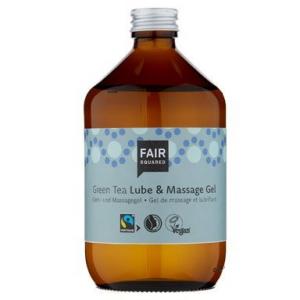
Ingredients that have no place in a lubricating gel
One of the most frequently discussed groups of substances is parabens – preservatives that have been used in cosmetics for decades. Their purpose is to extend the shelf life of a product and prevent bacterial growth. That sounds reasonable, but research suggests that parabens may mimic the activity of oestrogens in the body and disrupt hormonal balance. Organisations such as the European Chemicals Agency (ECHA) monitor their use, and certain types of parabens are already banned or restricted in the EU. In intimate cosmetics, where the absorption of substances into the body is faster, parabens are particularly unwelcome.
Similarly problematic are glycerin and propylene glycol, which appear very frequently in lubricating products. Glycerin is a natural substance in its own right, but in an intimate environment it can cause problems – particularly for women who are prone to bacterial vaginosis or yeast infections. Glycerin serves as food for certain types of bacteria and yeasts, which can disrupt the natural vaginal microflora. Propylene glycol, meanwhile, can irritate sensitive mucous membranes and in some cases cause allergic reactions. Although these are substances approved for cosmetic use, their presence in lubricating products is at least debatable.
Another concern is synthetic fragrances and perfumes. Manufacturers add them to make the product smell pleasant, but intimate areas do not need any artificial scent – and certainly not in the form of dozens of chemical compounds hidden under the collective term "parfum" or "fragrance". These mixtures may contain allergens, phthalates, or other substances that irritate mucous membranes and disrupt the natural pH of the vagina. Gynaecologists repeatedly point out that most cases of irritation or recurring infections in the intimate area originate from unsuitable cosmetics.
Many lubricating products also contain chlorhexidine – an antiseptic added for its antibacterial properties. At first glance this may sound like an advantage, but the opposite is true. Chlorhexidine destroys not only harmful bacteria but also beneficial lactobacilli, which form the vagina's natural defence system. Disrupting this microflora can paradoxically lead to greater susceptibility to infections. The World Health Organization even recommends avoiding lubricants containing chlorhexidine, particularly when protection against sexually transmitted infections is also a goal – studies have shown that this antiseptic can damage mucosal cells and facilitate the transmission of certain viruses.
A separate issue is posed by petrochemical ingredients such as mineral oil or petrolatum. Petroleum jelly and mineral oils appear in lubricating products primarily because they are inexpensive and have good lubricating properties. However, these substances are not biodegradable, can clog pores, and may cause irritation in sensitive individuals. They are also entirely incompatible with latex condoms – mineral oils break down latex, reducing the reliability of protection. This is a practical point worth keeping in mind.
How to read a label and what to look for
Navigating the composition of cosmetic products does not have to be a science. It is enough to know what to look for and what to avoid. Ingredients are listed on the label in the so-called INCI format – that is, in Latin or English names according to an international standard. The shorter and more comprehensible the list of ingredients, the better.
Another useful indicator is the osmolality of the product – a parameter that expresses the concentration of dissolved substances in a solution and affects how the lubricant acts on mucosal cells. The WHO guidelines state that the ideal osmolality of a lubricating product should be close to that of natural body fluids, approximately between 260 and 380 mOsm/kg. Products with excessively high osmolality (which applies to many commercially available gels) cause dehydration of mucosal cells, leading to micro-injuries and increasing the risk of infection transmission. This information is not commonly listed on labels, but reputable manufacturers have it available and are willing to provide it.
Take Klára, a thirty-year-old woman who repeatedly struggled with yeast infections. She visited her gynaecologist, underwent treatment, followed all the recommendations – and yet the infections kept returning. It was only when she carefully examined the ingredients of the lubricating gel she regularly used that she discovered it contained glycerin, propylene glycol, and synthetic fragrances. After switching to a product free of these substances, her problems improved significantly. Her story is not exceptional – thousands of women have had similar experiences, searching for the cause of their troubles in the wrong place.
A reliable foundation for choosing a lubricating product can be found in the World Health Organization's recommendations on lubricants and intimate health, which are freely available and contain specific criteria for evaluating the composition and safety of products.
When selecting a lubricating product, it is worth focusing on several basic criteria:
- No parabens – look for the designations methylparaben, ethylparaben, propylparaben, or butylparaben and avoid these ingredients
- No synthetic fragrances – if the label shows "parfum" or "fragrance", it is generally a mixture of chemical compounds
- No glycerin or propylene glycol – especially for people prone to intimate infections
- No chlorhexidine – this antiseptic disrupts the natural microflora
- Compatibility with condoms – oil-based products are unsuitable for latex condoms
Natural alternatives to synthetic lubricants exist and are increasingly being offered by manufacturers. Water-based lubricating products without problematic additives, or products containing aloe vera or sodium hyaluronate, are considered a safer choice. Sodium hyaluronate is a substance that occurs naturally in the human body and has an excellent ability to bind water – providing long-lasting moisture without the need for synthetic thickeners or preservatives.
Equally interesting are products certified for organic or natural cosmetics. Certifications such as COSMOS Organic or Ecocert guarantee that the composition of the product has undergone independent review and meets strict criteria for natural and safe ingredients. Such certificates are not yet standard on lubricating products, but their number is growing – and that is good news.
Intimate health is a topic that is still discussed less than it should be. Yet choosing the right lubricating product is no trivial matter – it is a decision that directly affects the microbiome, hormonal balance, and overall health. As American gynaecologist and author of The Vagina Bible, Jen Gunter, aptly observed: "The vagina doesn't need perfume, it doesn't need special cleansers, and it certainly doesn't need products full of chemicals we don't understand."
The intimate cosmetics market has been undergoing a transformation in recent years. Consumers are better informed, they ask questions, and they demand transparency. Manufacturers who respond to this trend – publishing complete ingredient lists, disclosing osmolality values, and avoiding problematic substances – are building trust that has long-term value. And in the intimate cosmetics category, that trust is the most valuable thing a brand can offer.
Care for intimate health should be part of a broader approach to one's own body – conscious, informed, and without unnecessary compromises. Choosing lubricating products with the same attention we give to the food on our plate or the material of our clothing makes perfect sense. Our bodies deserve it.