

Chronic inflammation caused by mold in the apartment
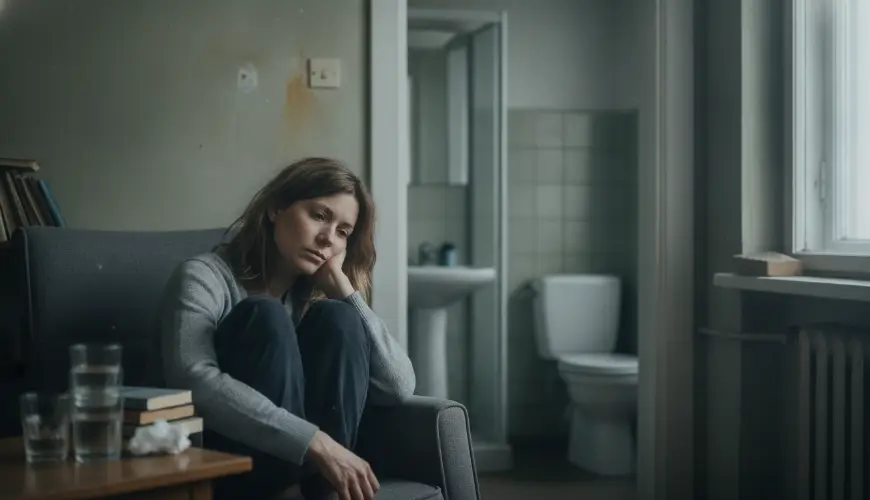
Fatigue that doesn't disappear even after a full night's sleep. Headaches that come seemingly without cause. Memory problems, brain fog, irritability. If you're troubled by similar symptoms and no doctor has yet come up with a satisfactory explanation, it may be worth looking at the place where you spend most of your time – your home. Chronic Inflammatory Response Syndrome caused by biotoxins, referred to in English-language literature as CIRS (Chronic Inflammatory Response Syndrome), is a condition that is still discussed far too little in the Czech Republic, even though it can significantly affect the quality of life of thousands of people.
CIRS is not a new diagnosis invented by alternative medicine. It is a clinically documented syndrome that has been studied long-term by American physician Ritchie Shoemaker, who was among the first to describe the mechanism by which biotoxins from mold damage the immune systems of susceptible individuals. His work, available for example at survivingmold.com, today forms the basis for diagnosing and treating this condition in many countries around the world.
Try our natural products
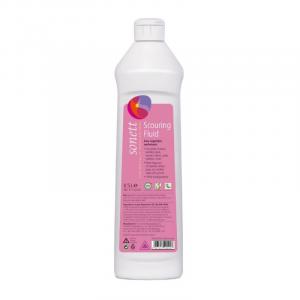
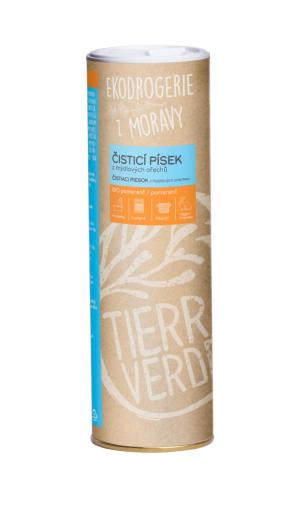
How mold in your home triggers chronic inflammation
To be clear about what we're talking about: CIRS is not a mold allergy in the classical sense. While an allergic reaction is relatively straightforward – the body reacts to a specific allergen and symptoms generally improve quickly once exposure is removed – CIRS is considerably more insidious. The problem lies not only in the mold itself, but in the entire mixture of toxic substances that damp buildings produce. These include mycotoxins (poisonous compounds produced by mold), fragments of bacterial cell walls called endotoxins, volatile organic compounds, and other biologically active particles, collectively referred to as ERMI – Environmental Relative Moldiness Index, a kind of index of the mold burden in an environment.
When a person with a genetic predisposition – and it is estimated that approximately 25% of the population carries a variant of the HLA-DR gene that makes it harder for the immune system to properly process biotoxins – spends an extended period in a mold-affected environment, something very unpleasant occurs. The body is unable to efficiently eliminate these toxins, they begin to accumulate and trigger a chronic, unrelenting inflammatory cascade. The immune system enters a state of permanent alarm, with this inflammation affecting virtually all organ systems – nervous, hormonal, cardiovascular, and digestive.
Try to imagine the situation described by many patients: a young woman, active and healthy, moves into an older ground-floor apartment with damp walls. At first, she only notices occasional fatigue, which she attributes to more demanding work. After a few months, headaches appear, then problems with concentration. She visits her general practitioner and has blood tests done – everything is within normal range. She receives a referral to a psychiatrist for possible depression or anxiety. Meanwhile, her condition worsens. It is only after two years, when she happens to read an article about CIRS, that she connects the link between her health condition and the apartment she lives in. This situation is not exceptional – it is tragically typical.
Experts in functional medicine emphasize that CIRS manifests with such diverse symptoms that it can easily be mistaken for dozens of other diagnoses. Chronic fatigue, fibromyalgia, irritable bowel syndrome, depression, anxiety, autoimmune diseases – all of these can in certain cases be a manifestation of chronic exposure to biotoxins from mold. This is precisely why the average time from the first symptoms to a correct CIRS diagnosis is alarming – sometimes exceeding five years.
How can you tell whether your home might be the source of the problem? Visible mold on walls or in the bathroom is of course a warning sign, but it alone is not sufficient for a CIRS diagnosis – and conversely, the absence of visible mold does not mean the environment is safe. Mold very often grows in hidden places – behind tiles, under floor coverings, inside wall cavities, or in ventilation systems. A characteristic musty odor is a more reliable indicator than visual inspection alone. According to the World Health Organization, approximately 10 to 50% of buildings in developed countries have some form of moisture problem, with this figure rising significantly in older buildings.
Diagnosis and the path to recovery
Diagnosing CIRS is a complex matter, and there is currently no standardized protocol for approaching it within the Czech healthcare system. Nevertheless, there are tests that can help piece the picture together. One of the key markers is the blood level of TGF-beta 1 (transforming growth factor), MMP-9, C4a, or VEGF – these are inflammatory markers whose values tend to be significantly outside the normal range in CIRS patients. Another important tool is the Visual Contrast Sensitivity (VCS) test, a simple eye test that measures the ability to distinguish contrast – this ability is demonstrably reduced in people with a biotoxin burden.
As Shoemaker says: "Mold illness is not a mold problem. It is an immune system problem in contact with mold." This statement aptly captures why CIRS treatment does not focus solely on removing exposure, even though that is an absolutely essential first step. Without leaving the contaminated environment – or thoroughly remediating it – no other intervention can be successful in the long term. Mold remediation is not a matter of simply repainting the affected surface with a chlorine-based product, as many people unfortunately still believe. It is a complex process involving the identification of the moisture source, the mechanical removal of affected materials, and ensuring adequate ventilation.
Once exposure has been removed, supporting detoxification comes next. The most thoroughly researched substance in this context is cholestyramine, a resin originally designed to lower cholesterol, which binds biotoxins in the digestive tract and prevents their reabsorption. Alongside pharmacological approaches, there are also natural substances with a similar mechanism of action – such as activated charcoal or bentonite – though their use should always be discussed with a physician.
An equally important part of recovery is supporting the immune system and reducing the body's overall inflammatory burden. Diet plays a key role here – an anti-inflammatory diet rich in omega-3 fatty acids, antioxidants, and fermented foods can contribute significantly to calming chronic inflammation. Research published in journals such as Nutrients has repeatedly confirmed that the composition of the gut microbiome has a direct influence on the intensity of systemic inflammatory processes – and the microbiome is often severely disrupted in CIRS patients.
The home environment is not just about mold, however. The overall quality of indoor air, the presence of chemical substances from furniture, cleaning products, or synthetic materials – all of this adds to the inflammatory burden on an organism that is already struggling to maintain balance. This is why many functional medicine specialists recommend that CIRS patients switch to eco-friendly cleaning products free of synthetic fragrances and aggressive chemicals, reduce the use of plastics in the home, and pay attention to the quality of the materials they come into contact with on a daily basis. This is not a matter of fashion or trends – it is about the practical reduction of overall toxic load, which can have a measurable impact on the course of recovery.
It is also important to mention the psychological dimension of the whole situation. CIRS patients very often go through a long period during which no one believes them – neither doctors nor those close to them. The symptoms are invisible, tests come back "normal," and those around them may think it is hypochondria or psychosomatic illness. This aspect of chronic illness, in which the patient must fight not only the illness itself but also the doubts of those around them, is one of the most challenging. Support communities – both abroad and gradually in the Czech Republic as well – therefore play an irreplaceable role in the recovery process.
It is important to know that CIRS is not a life sentence. With proper diagnosis, removal of exposure, and targeted support for the body, many patients are able to improve significantly or recover completely. The key is not to underestimate the environment in which we live and to listen to the signals our bodies send us. If you find that you feel better away from home than in it – at work, on holiday, at friends' homes – and that symptoms return when you come back, this is information worth taking seriously. Our home should be a place of healing, not a source of illness.
Preventively, quite a lot can be done: regular ventilation, keeping relative indoor humidity below 50%, promptly addressing any water leaks or condensation, using kitchen extractor fans and bathroom ventilators, and choosing natural, breathable building and decorating materials. These steps cannot guarantee complete protection against CIRS in genetically predisposed individuals, but they significantly reduce the risk of mold beginning to proliferate in the first place. And that is precisely the kind of home care that makes sense – not merely aesthetic, but genuinely health-related.